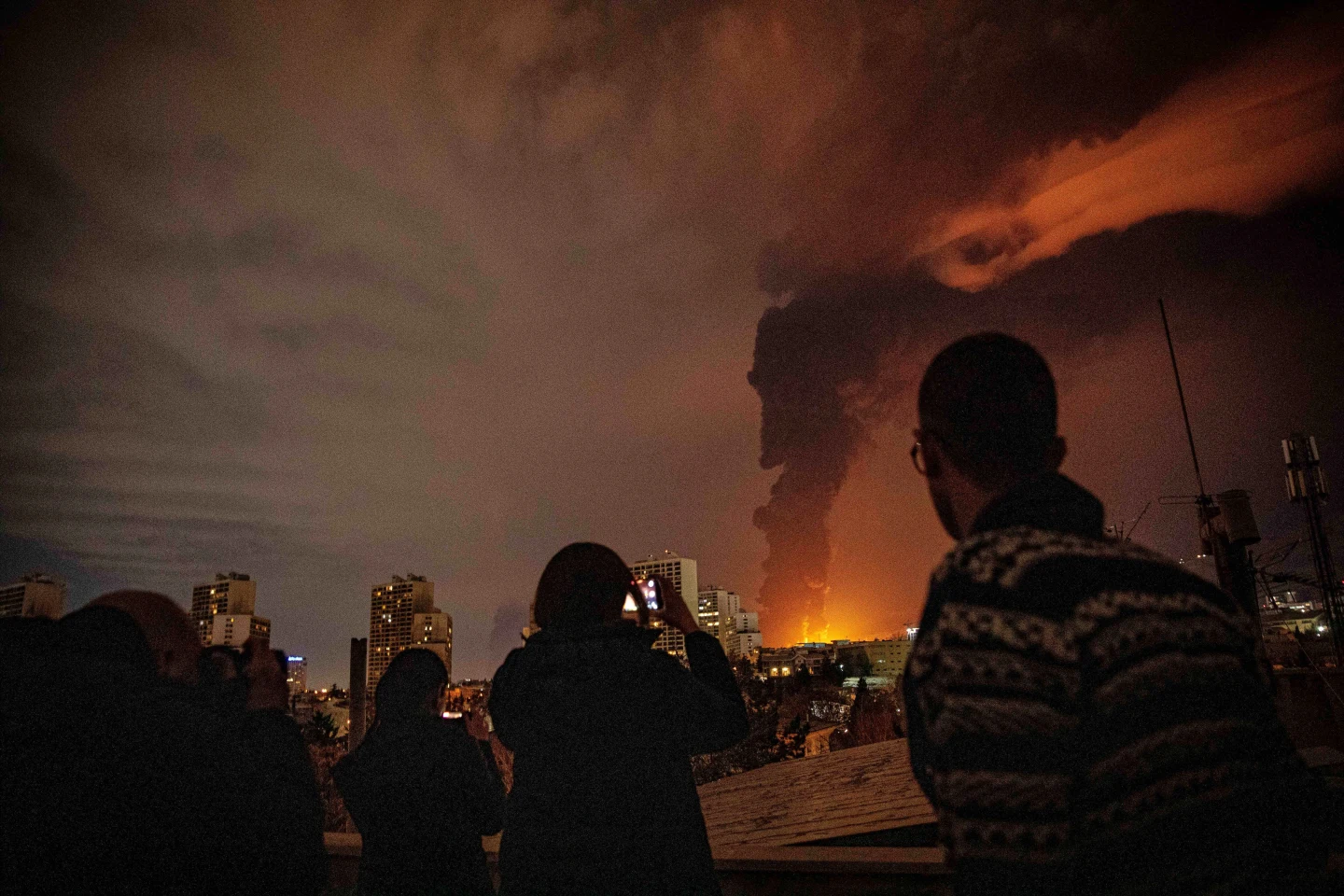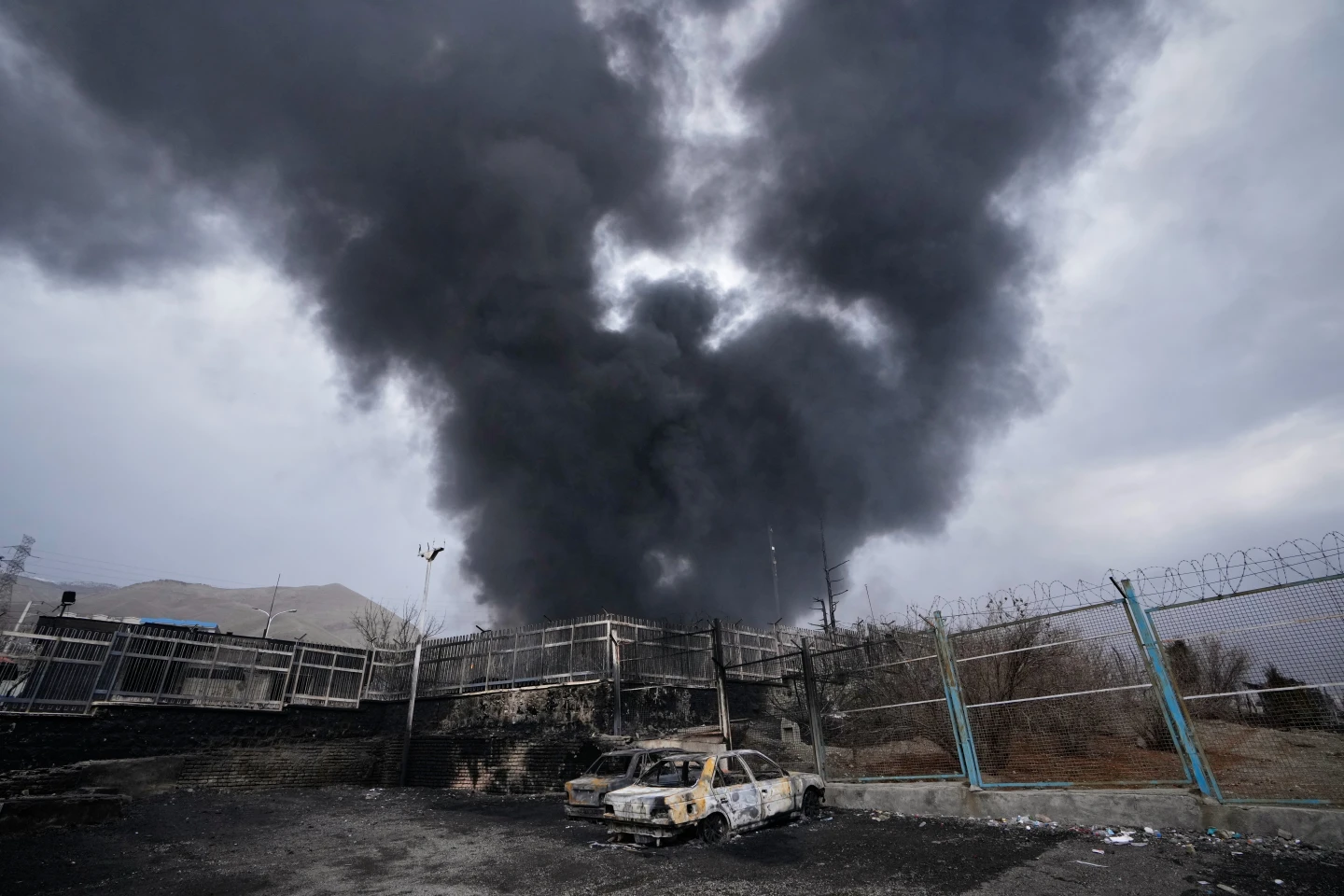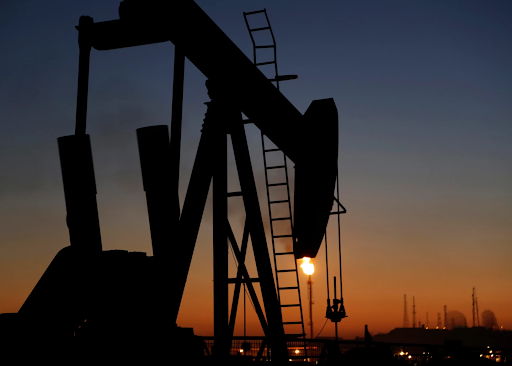
Missile and drone strikes during the Iran war threaten major oil terminals and shipping routes, shaking global energy markets.
The ongoing Iran war is putting some of the world’s most vital oil and gas infrastructure at risk, raising serious concerns across global energy markets. Pipelines, shipping terminals, refineries, and offshore fields across the Persian Gulf region are facing disruptions as military strikes and security threats intensify.
Drone attacks and missile strikes have already forced several facilities to suspend operations, while the growing security threat has effectively closed the Strait of Hormuz. This narrow waterway normally carries nearly 20% of the world’s oil and liquefied natural gas shipments, making it one of the most critical energy corridors on the planet.
As a result, global energy markets are reacting swiftly. Brent crude prices have surged sharply, climbing from about $72.97 just before the conflict began to nearly $103 within days. The spike is already pushing up costs for industries that rely heavily on fuel, including aviation, manufacturing, agriculture, and global shipping.
LNG Shock as Qatar’s Ras Laffan Terminal Shuts Down
One of the most significant disruptions has occurred at Qatar’s Ras Laffan liquefied natural gas terminal, the largest LNG export facility in the world. State-owned QatarEnergy shut down the terminal following a drone strike, declaring force majeure and halting contracted deliveries.
The shutdown is particularly alarming because Qatar supplies roughly 20% of the world’s liquefied natural gas. Ras Laffan processes gas from the massive North Field and converts it into liquid form for export, primarily to Asian markets.
With this facility offline, global LNG buyers are scrambling for alternative supplies. European markets are also expected to feel the pressure as competition intensifies for limited cargo shipments.
Saudi Arabia Faces Pressure on Key Oil Routes
Saudi Arabia’s energy infrastructure has also felt the impact of the Iran war. The Ras Tanura port and refinery, one of Saudi Aramco’s largest oil facilities, was temporarily shut down after a drone strike triggered a fire.
The kingdom relies heavily on this port for crude exports, as it is capable of handling massive oil tankers. Any disruption here could ripple through international oil markets, especially during an already volatile period.
Meanwhile, the East-West pipeline has become increasingly important as tensions escalate. This pipeline transports crude oil from the Persian Gulf to the Red Sea port of Yanbu, allowing exports to bypass the Strait of Hormuz.
UAE’s Fujairah Terminal Becomes Strategic Target
The Fujairah oil terminal in the United Arab Emirates has also reported disruptions linked to the conflict. Located on the Gulf of Oman, the facility serves as a crucial export route that allows Abu Dhabi to ship oil without passing through the Strait of Hormuz.
Energy analysts suggest the targeting of storage facilities in Fujairah may be strategic. By threatening alternative export routes, attackers could limit the region’s ability to reroute oil shipments trapped inside the Persian Gulf.
Iran and Israel Energy Sites Also Affected
The Iran war is also affecting energy production inside Iran itself. Kharg Island, the country’s primary oil export terminal, has historically handled nearly all of Iran’s prewar crude shipments of roughly 1.6 million barrels per day.
Reports suggest Iran accelerated exports shortly before the conflict escalated, but the current operational status of the facility remains uncertain.
At the same time, Israel has shut down the Leviathan natural gas field due to security concerns. Located in the Mediterranean Sea, the field supplies large quantities of gas to neighboring Egypt. Previous shutdowns forced Egypt to cut gas deliveries to industries such as fertilizer production, highlighting the wider economic impact of such disruptions.
Iraq and Bahrain Face Production Interruptions
The conflict is also creating significant challenges for Iraq’s oil sector. Output at major southern fields, including Rumaila and West Qurna, has been reduced by about 1.5 million barrels per day as storage facilities fill up.
These fields normally send crude to the Al Basra Oil Terminal, an offshore export hub responsible for shipping oil that accounts for nearly 80% of Iraq’s annual GDP.
In Bahrain, the Bapco refinery on Sitra Island has halted operations after a missile strike disrupted supplies of jet fuel, diesel, and other refined products.
Long Recovery Expected for Energy Facilities
Even if shipping through the Strait of Hormuz resumes quickly, energy analysts warn that restarting production will take time. Oil fields, LNG plants, and refineries often require weeks or months to return to full capacity once operations stop.
That delay means the global effects of the Iran war could continue to ripple through energy markets well beyond the immediate conflict, potentially keeping oil and gas prices elevated for an extended period.