Trump Iran Warning follows Gulf drone strikes and regional conflict, as rising tensions push global oil prices above $100.
Tensions in the Middle East intensified sharply on Friday after Iran launched a fresh wave of attacks across the Gulf region and northern Israel. The escalating conflict triggered strong warnings from U.S. President Donald Trump, who threatened severe retaliation while claiming American forces were dismantling Iran’s military capabilities. As military strikes expanded across multiple countries, global energy markets also reacted, with oil prices remaining elevated amid disruptions near one of the world’s most critical shipping routes.
Iran Launches Drone Strikes Across the Gulf
The latest escalation began early Friday when Iran launched multiple attacks targeting Gulf Arab states. Saudi Arabia reported intercepting nearly 50 drones that arrived in several waves during the early morning hours, highlighting the scale and coordination of the offensive.
Air defense systems were quickly activated across the region, and authorities confirmed that most of the drones were successfully shot down before reaching their intended targets. However, the attacks still caused concern across neighboring countries, particularly as debris from interceptions triggered fires in industrial areas.
Sirens also sounded in Bahrain after warnings of incoming projectiles originating near Dubai. Emergency teams later reported thick black smoke rising from a nearby industrial district, where falling debris had ignited a blaze following the interception of hostile drones.
The attacks came shortly after Iran’s newly appointed Supreme Leader, Ayatollah Mojtaba Khamenei, issued a stern warning to Gulf states hosting American military bases. He urged regional governments to shut down those installations and dismissed the idea that U.S. forces could guarantee their security.
Trump Issues Stark Warning to Iran
In response to the expanding attacks, President Donald Trump posted a series of forceful messages on social media, promising aggressive retaliation against Iran. He claimed that American forces were already severely damaging Iran’s military infrastructure, including its naval and air capabilities.
Trump also asserted that thousands of Iranian military targets had been struck since the start of the conflict. According to U.S. military officials, American forces have carried out attacks on more than 6,000 sites so far, including vessels suspected of laying naval mines.
His comments followed Khamenei’s vow to avenge Iranian casualties from earlier strikes in the war. The Iranian leader warned that Tehran would not hesitate to respond to attacks and would continue pressuring countries aligned with the United States.
Fighting Expands Across Israel and Lebanon
While Gulf states dealt with drone attacks, fighting also intensified along Israel’s northern border. Hezbollah launched several rocket barrages toward northern Israel and Israeli forces positioned in southern Lebanon.
The strikes injured nearly 60 people in northern Israel, though most wounds were reported to be minor. Israeli air defenses intercepted several projectiles, but some managed to land in populated areas.
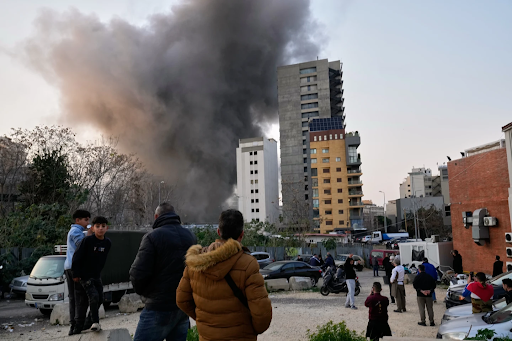
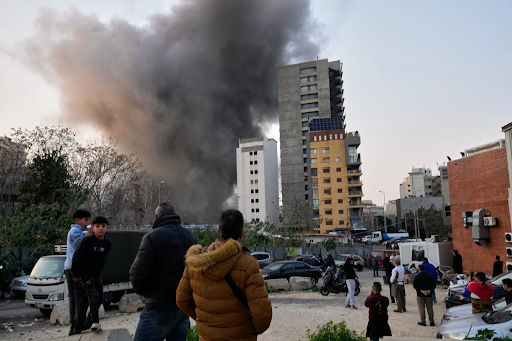
Israel responded with targeted airstrikes in Lebanon, including an attack in Beirut that killed one person and left a residential building engulfed in flames. Israeli officials later said the strike had been aimed at a member of Hezbollah, the Iran-backed militant group.
The conflict has already caused significant humanitarian consequences in Lebanon. Authorities report that more than 600 people have died since fighting began, while the United Nations estimates nearly 800,000 residents have been displaced from their homes.
Strategic Oil Route Pushes Energy Prices Higher
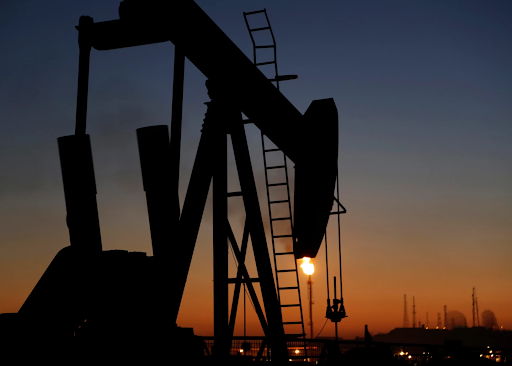
As the military confrontation widened, global markets closely monitored developments in the Strait of Hormuz. The narrow waterway carries roughly one-fifth of the world’s oil shipments, making it one of the most important energy transit routes.
Iran has attempted to block the strait by targeting vessels moving through the region, creating uncertainty for global supply chains. As a result, Brent crude oil prices have remained above $100 per barrel, with peaks nearing $120 in recent weeks.
Energy analysts note that prices are now roughly 40 percent higher than before the conflict began on February 28, when Israeli and U.S. forces launched initial strikes against Iranian targets.
Military Incidents Reported in Iraq
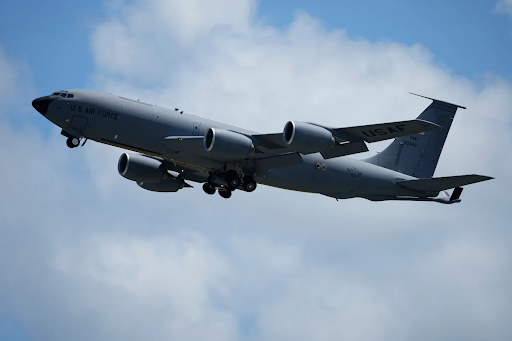
Elsewhere in the region, military operations continued to face setbacks and security threats. U.S. Central Command confirmed that a KC-135 refueling aircraft crashed in western Iraq while supporting operations related to the conflict.
Officials said two aircraft were involved in the incident, with one landing safely while the other went down. The plane had five crew members on board, though authorities have not yet confirmed casualties. The military added that the crash did not appear to be linked to hostile or friendly fire.
Meanwhile, French President Emmanuel Macron reported that a French soldier stationed near Irbil in northern Iraq was killed in an attack. Several other troops from allied countries have also faced drone strikes targeting bases in the Kurdish region.
A Conflict with Growing Regional Impact
Casualty figures from the conflict continue to rise across multiple countries. Iranian authorities say more than 1,300 people have been killed inside Iran, while Israel has reported a dozen deaths since the fighting began. The United States has also lost at least seven soldiers, with several others suffering serious injuries.
With attacks spreading across the Gulf, Israel, Lebanon, and Iraq, the conflict shows few signs of slowing. The continued disruption to regional security and global energy markets suggests the crisis may deepen further unless diplomatic efforts succeed in reducing tensions.