Iran War escalates under new leadership, raising oil prices and increasing tensions across the Middle East and global markets.
The escalating Iran war is sending shockwaves through global energy markets and international politics, as Iran’s newly installed supreme leader vows to intensify the conflict. With airstrikes expanding, oil prices surging, and regional tensions spreading, the war is increasingly shaping the global economy and security landscape.
As the fighting enters its second week, world leaders, financial markets, and energy producers are bracing for prolonged instability that could affect everything from fuel prices to international travel.
Iran’s New Leader Signals a Hardline Approach
Iran’s new supreme leader, Ayatollah Mojtaba Khamenei, delivered his first public remarks since taking power, making it clear that Iran intends to continue the war. In a statement read on state television, he promised retaliation against enemies and warned Gulf Arab states they could face further consequences.
Khamenei also hinted that Iran could open “other fronts” in the conflict, suggesting the possibility of expanding attacks beyond the current battlefield. The comments reinforced fears among analysts that the Iran war could widen across the Middle East.
The leader did not appear on camera during the statement. Reports indicate he was injured during the opening phase of the war, when an attack on his family residence killed his father, former supreme leader Ayatollah Ali Khamenei, and his wife.
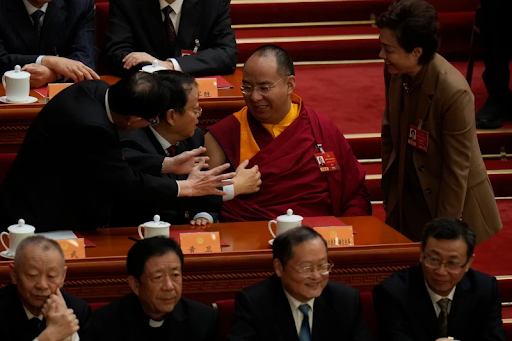
Despite the injury, Iranian officials say the wounds were not serious. Diplomats have suggested that Khamenei may appear publicly at next week’s Eid prayers, an event traditionally led by the supreme leader.
Israel Claims Its Offensive Is Weakening Iran’s Regime
Meanwhile, Israeli Prime Minister Benjamin Netanyahu argued that Israel’s military campaign is creating conditions that could destabilize Iran’s leadership.
Speaking at a press conference, Netanyahu addressed the Iranian public directly and suggested the government’s downfall could come from within. He said Israel’s attacks are designed to weaken the state’s ability to suppress dissent.
According to the Armed Conflict Location and Event Data project, U.S. and Israeli strikes have targeted security checkpoints and other internal enforcement structures inside Iran. Analysts say those strikes could limit the government’s capacity to maintain internal control during wartime.
Israeli leaders have also openly criticized Khamenei, portraying him as closely aligned with Iran’s powerful Revolutionary Guard and unlikely to compromise.
Oil Prices Surge as Global Markets React
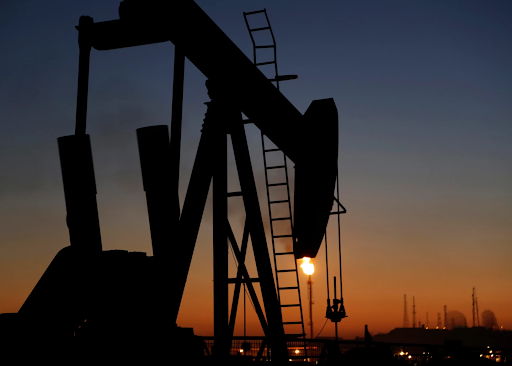
The Iran war has already begun reshaping global energy markets. Oil prices climbed again during the latest trading session, briefly touching $100 per barrel as traders worried about disruptions to supply.
The conflict has placed particular focus on the Strait of Hormuz, a vital shipping route through which roughly one-fifth of the world’s traded oil passes. Iranian officials claim their naval forces now have full operational control over the waterway.
Iran’s ambassador to Tunisia stated that Iranian forces carried out precise strikes following attacks on the country’s oil infrastructure. He added that global energy security depends on respecting Iran’s sovereignty.
To ease pressure on oil markets, the United States Treasury Department announced temporary measures allowing some Russian crude shipments already at sea to reach buyers. The exemption, expected to last about a month, could release roughly 125 million barrels of oil into global markets.
The price spike has already prompted policy responses abroad. South Korea reinstated government-set price caps on petroleum products for the first time in three decades in an attempt to control rapidly rising fuel costs.
Expanding Conflict Across the Region
The Iran war is increasingly spilling beyond Iran’s borders. Gulf countries have faced drone attacks, while military installations across the Middle East remain on high alert.
Saudi Arabia reported intercepting more than three dozen drones aimed at its Eastern Province in a large coordinated barrage. Iranian officials say such strikes are part of a strategic response to attacks on their own infrastructure.
Iran’s leadership has also called on Gulf states to shut down U.S. military bases in the region, claiming American protection offers little real security.
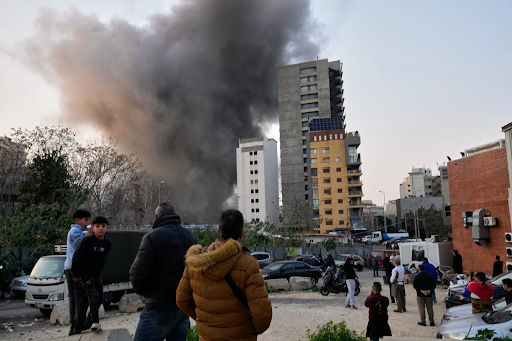
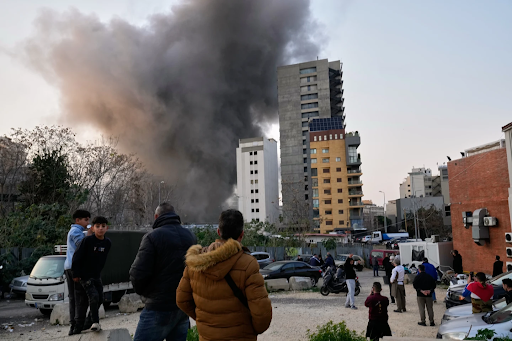
At the same time, Israel has expanded strikes against Iranian allies. Israeli warplanes carried out heavy bombardments in Lebanon after Hezbollah militants fired missiles toward Israel. Some strikes reached central Beirut, including areas near government buildings, international embassies, and United Nations offices.
Lebanese authorities reported multiple casualties, including civilians and children, after several buildings were destroyed in southern Lebanon.
Rising Military Casualties and Strategic Targets
The broader conflict has also affected international forces stationed across the region. The United States military says it has struck more than 6,000 targets since the operation against Iran began.
In Iraq’s northern Kurdish region, a drone attack on a military base in Irbil injured several U.S. personnel and killed a French soldier, according to French President Emmanuel Macron. British officials also reported minor injuries among American personnel stationed at the base.
Meanwhile, Israeli officials said recent strikes targeted Iran’s nuclear infrastructure and killed a senior nuclear scientist. The attacks are part of a broader effort to prevent Iran from advancing its nuclear program.
A Conflict With Global Consequences
With energy markets tightening, regional attacks increasing, and major powers becoming more involved, the Iran war is rapidly evolving into a conflict with global consequences.
For now, Iran’s new leadership appears determined to continue fighting, while its opponents signal they will keep up military pressure. As the confrontation intensifies, governments and markets alike are watching closely to see whether the conflict will stabilize—or spiral further into a wider regional war.