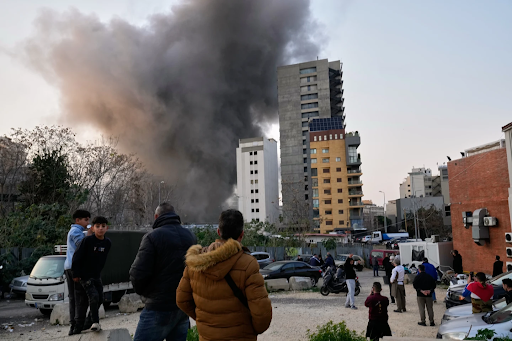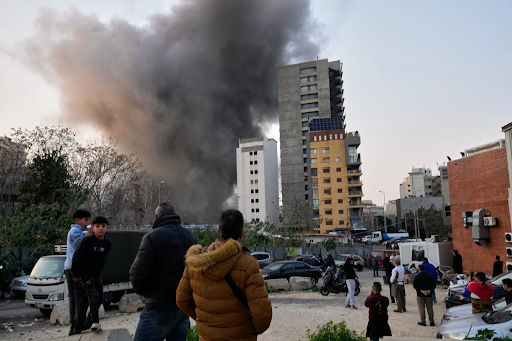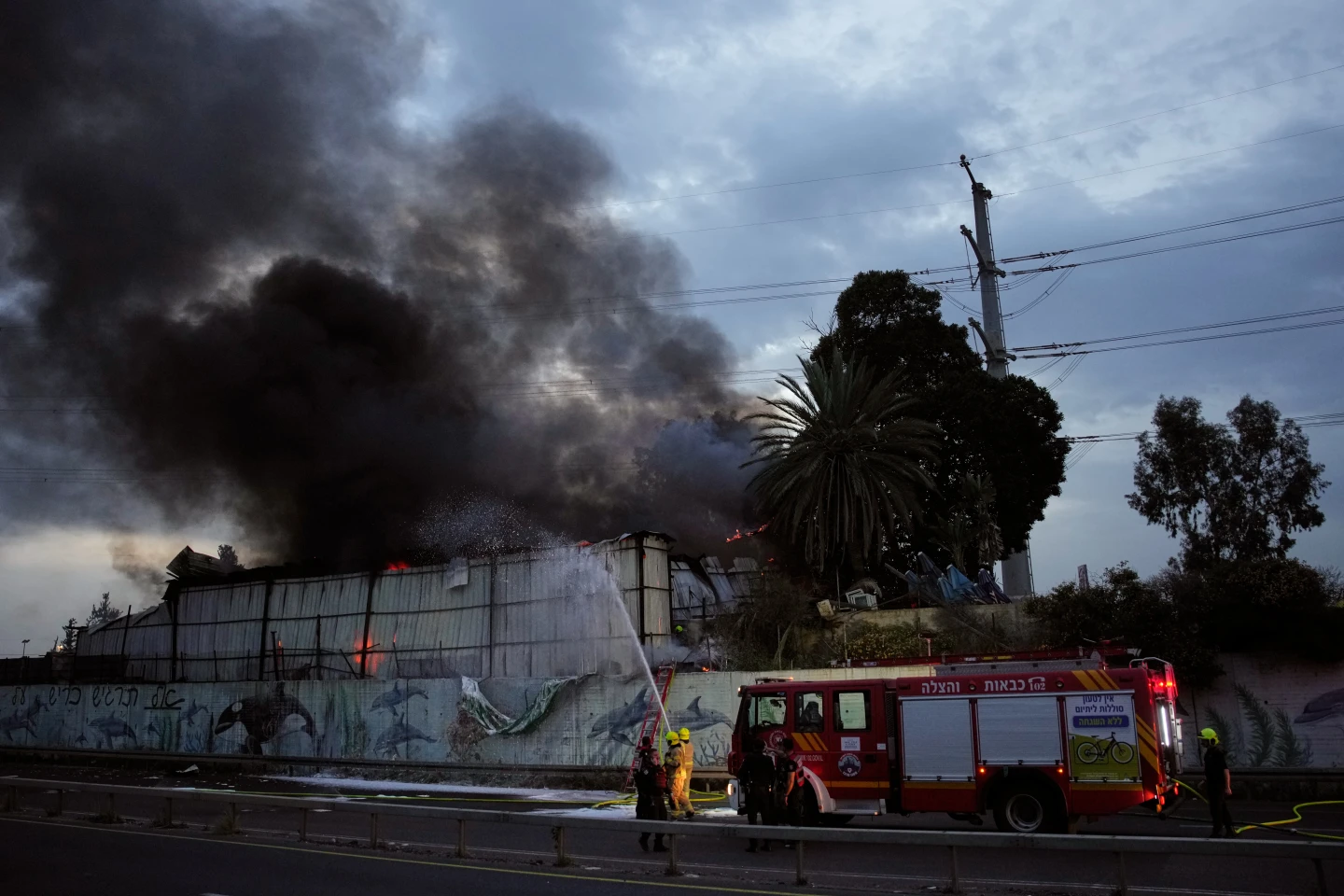
Firefighters try to extinguish flames at the site of a direct hit by an Iranian missile strike in Holon, central Israel, Friday, March 13, 2026.
The United States carried out airstrikes on military sites on Iran’s Kharg Island, escalating tensions in an already volatile Middle East conflict. President Donald Trump said the strikes destroyed strategic targets on the island, which plays a central role in Iran’s oil exports, while warning that Iran’s broader oil infrastructure could face attacks if shipping routes in the region remain threatened.
The latest development comes as fighting intensifies between Iran, Israel, and their respective allies. At the same time, Washington is strengthening its military presence in the region while urging Iran to avoid further disruption to global energy supplies.
Strategic Island Targeted in U.S. Airstrikes
According to Trump, U.S. forces “obliterated” military targets on Kharg Island during Friday’s operation. The island hosts Iran’s main oil export terminal, making it one of the country’s most economically vital locations.
Although the strikes targeted military installations, Trump said the United States deliberately avoided damaging oil infrastructure for now. However, he cautioned that this restraint could change if Iran or its allies continue interfering with shipping in the Strait of Hormuz.
Iranian officials responded sharply to the attack. Parliamentary Speaker Mohammad Bagher Qalibaf warned that strikes against islands along Iran’s southern maritime frontier could trigger a stronger response from Tehran. His comments reflected the island’s strategic importance to both Iran’s economy and national security.
Iran’s joint military command echoed the warning, suggesting that any future attacks on Iranian oil facilities could prompt retaliatory strikes on energy infrastructure linked to the United States across the region.
U.S. Reinforces Military Presence in the Middle East
As tensions grow, the United States is expanding its military deployment in the Middle East. An additional 2,500 Marines from the 31st Marine Expeditionary Unit are being sent to the region alongside the amphibious assault ship USS Tripoli.
Military officials say the deployment is meant to strengthen operational flexibility rather than signal an imminent ground invasion. Marine Expeditionary Units typically conduct amphibious operations, embassy security missions, civilian evacuations, and disaster relief.
The Tripoli and accompanying Marines are based in Japan and have already been traveling across the Pacific. Satellite imagery recently spotted the vessel near Taiwan, suggesting it remains more than a week away from waters near Iran.
Meanwhile, U.S. naval forces already operating in the region include the aircraft carrier USS Abraham Lincoln and several destroyers in the Arabian Sea. If the Tripoli joins the group, it would become the second-largest ship in the American fleet deployed there.
The exact number of U.S. troops stationed across the Middle East remains unclear, though Al-Udeid Air Base in Qatar alone hosts roughly 8,000 American personnel.
Rising Regional Tensions and Maritime Disruption
The strikes on Kharg Island come amid broader military escalation across the region. Iran has continued launching missile and drone attacks toward Israel and nearby Gulf states, while U.S. and Israeli forces have carried out extensive strikes inside Iranian territory.
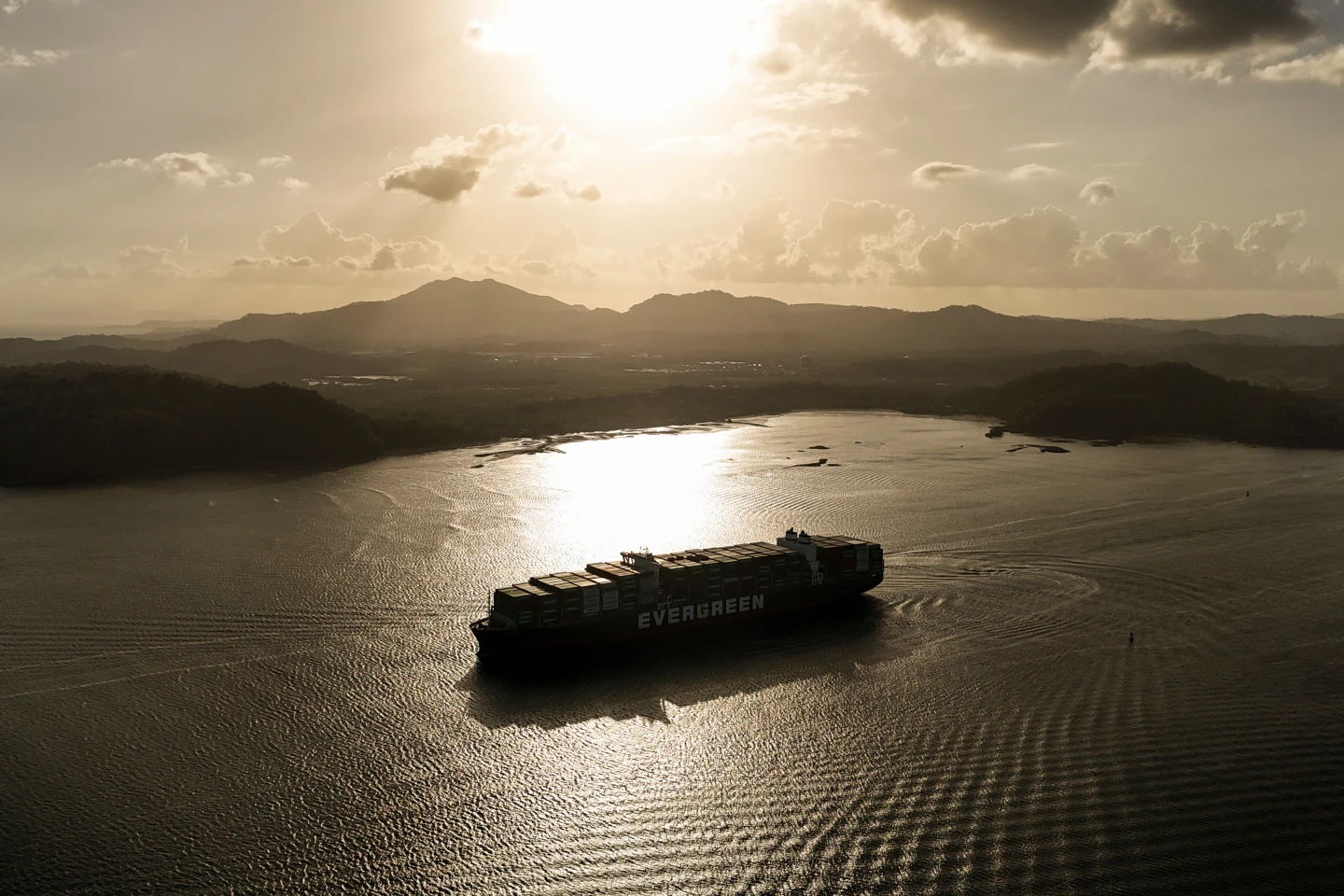
Tehran has also effectively closed the Strait of Hormuz, a critical waterway through which roughly one-fifth of the world’s traded oil normally passes. Any prolonged disruption to the route could have major consequences for global energy markets.
U.S. Defense Secretary Pete Hegseth said that American and allied forces have already struck more than 15,000 targets in Iran since the conflict began. According to him, that pace averages more than 1,000 strikes each day.
Despite concerns about shipping disruptions, Hegseth suggested the situation remains under control, saying U.S. forces have been actively managing security in the strategic waterway.
Violence Spreads Across the Region
Elsewhere in the region, violence continues to escalate. A missile strike hit a helipad inside the U.S. Embassy compound in Baghdad, sending smoke rising over one of the largest American diplomatic facilities in the world. Iraqi security officials confirmed the attack, though the embassy did not immediately comment.
The compound has repeatedly faced rocket and drone attacks from militias aligned with Iran. In response, the U.S. Embassy renewed its highest-level security alert for Iraq, warning that American citizens and infrastructure remain potential targets.
At the same time, tensions surged inside Iran’s capital when a large explosion rocked Tehran’s Ferdowsi Square during a mass demonstration marking the annual Quds Day rally. Thousands had gathered to show support for Palestinians and protest against Israel.
Although the blast caused widespread alarm, there were no immediate reports of casualties.
A Conflict with Global Implications
The U.S. strikes on Kharg Island signal a dangerous new phase in the widening Middle East conflict. While Washington insists its actions targeted only military assets, Iran has made clear that attacks on its energy infrastructure could provoke a broader regional confrontation.
With key shipping lanes threatened, additional U.S. forces heading toward the region, and warnings of retaliation from Tehran, the situation remains highly volatile.
As tensions continue to rise, the coming days could prove critical in determining whether the conflict stabilizes or expands further across the Middle East.