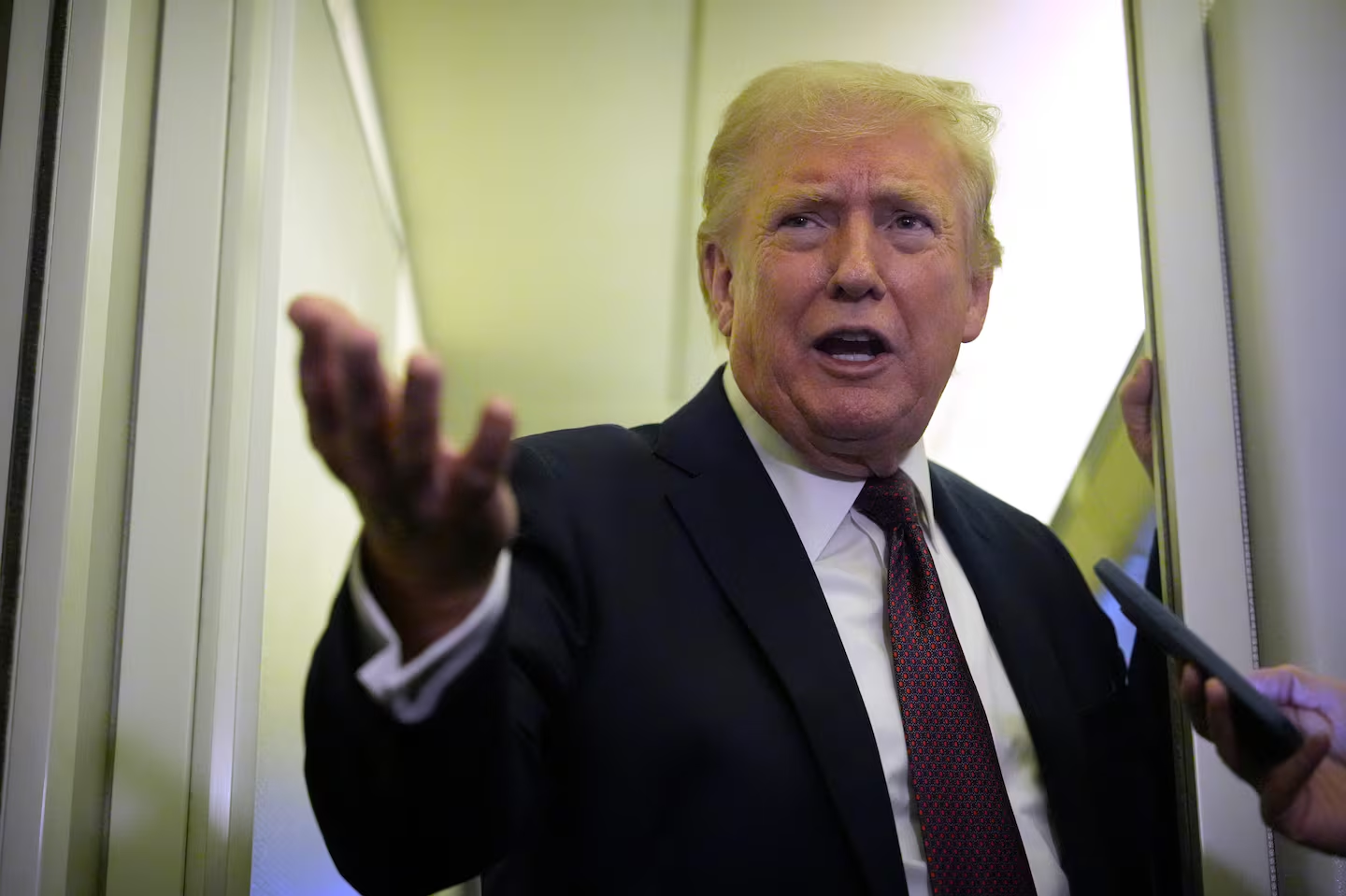
U.S. President Donald Trump speaks to reporters aboard Air Force One, Sunday, March 15, 2026, en route from West Palm Beach, Fla. to Joint Base Andrews, Md. (AP Photo)
Donald Trump said he has asked several countries to help secure the Strait of Hormuz, calling for a multinational naval coalition to keep the key shipping route open as tensions with Iran disrupt global oil flows.
Speaking to reporters aboard Air Force One, the U.S. president said he had approached “about 7” nations to send warships to patrol the strategic waterway, though none had yet committed to the effort.
“I’m demanding that these countries come in and protect their own territory,” Trump said, arguing that nations heavily dependent on Middle Eastern oil should play a larger role in safeguarding the route.
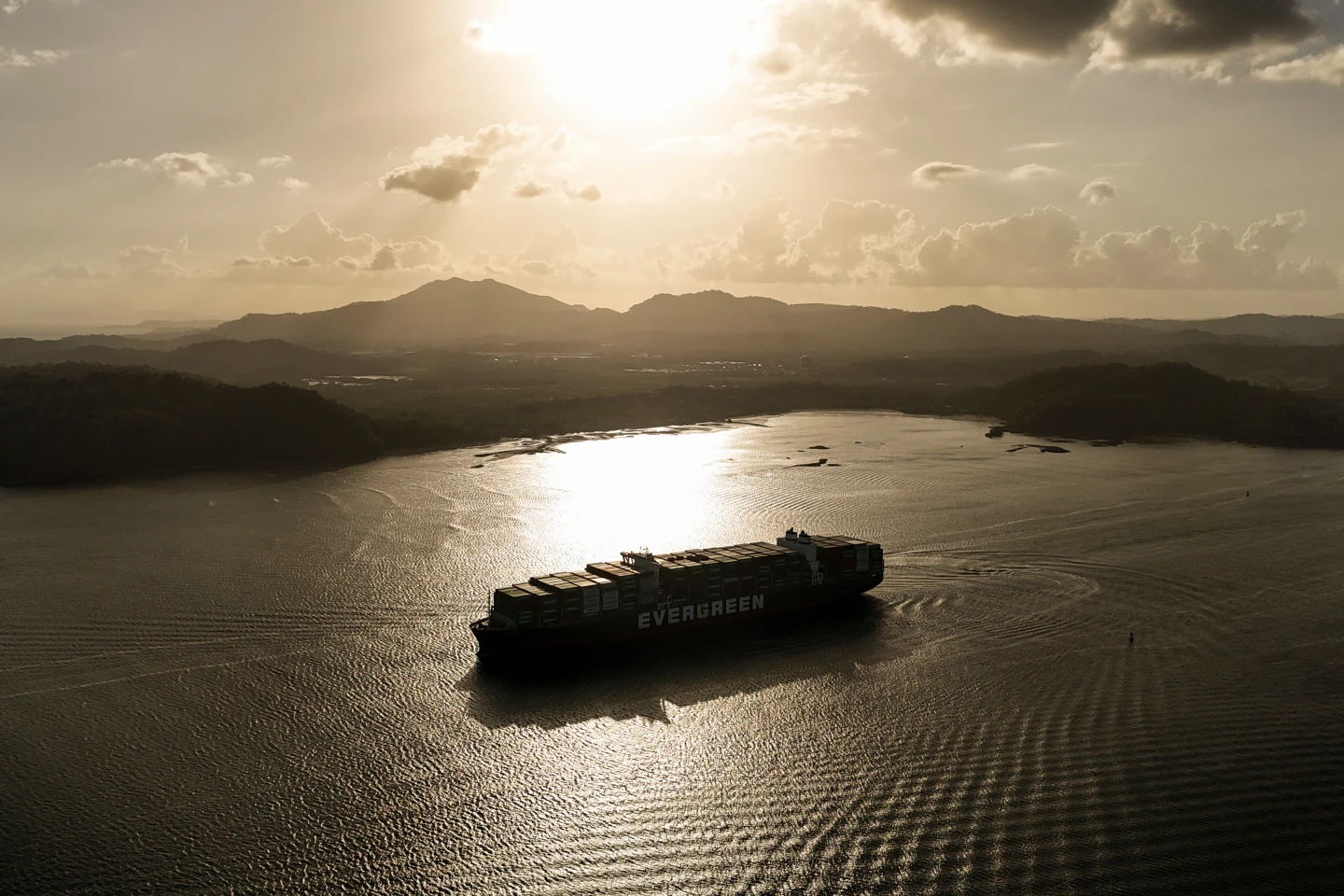
The Strait of Hormuz is one of the world’s most important energy chokepoints, with roughly one-fifth of globally traded oil passing through the narrow waterway.
Trump said the United States relies far less on oil shipments through the strait compared with other countries, noting that China receives about 90 percent of its oil through the route.
The president declined to say whether China had agreed to participate in the proposed coalition but said it would be beneficial for other countries to share responsibility for keeping the passage open.
“We’ll help and we’ll work with them,” he said.
Previously, the Trump administration had urged countries including France, Japan, South Korea and the United Kingdom to join the mission.
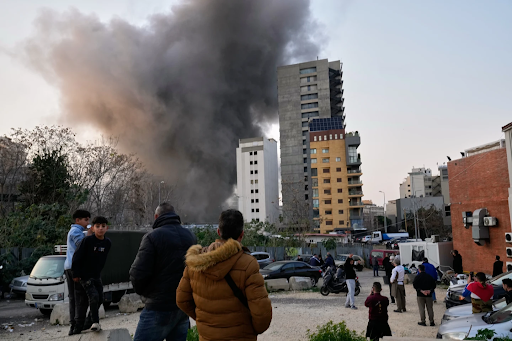
Debris litters the street as smoke rises from buildings damaged in an Israeli airstrike in Dahiyeh, Beirut's southern suburbs, Lebanon, Sunday, March 15, 2026. (AP Photo)
Mixed International Response
Chris Wright, the U.S. energy secretary, said Washington has been in discussions with several governments and suggested China could become a “constructive partner” in efforts to reopen the strait.
However, countries have responded cautiously.
British Prime Minister Keir Starmer discussed the issue with Trump, emphasizing the importance of restoring global shipping routes. But according to Trump, Britain initially declined to place its aircraft carriers “into harm’s way.”
China’s embassy in Washington said all countries share responsibility for maintaining stable energy supplies and called for continued communication to de-escalate tensions.
Meanwhile, South Korea said it was reviewing the situation with the United States, while Germany indicated it had no plans to take part in the conflict.
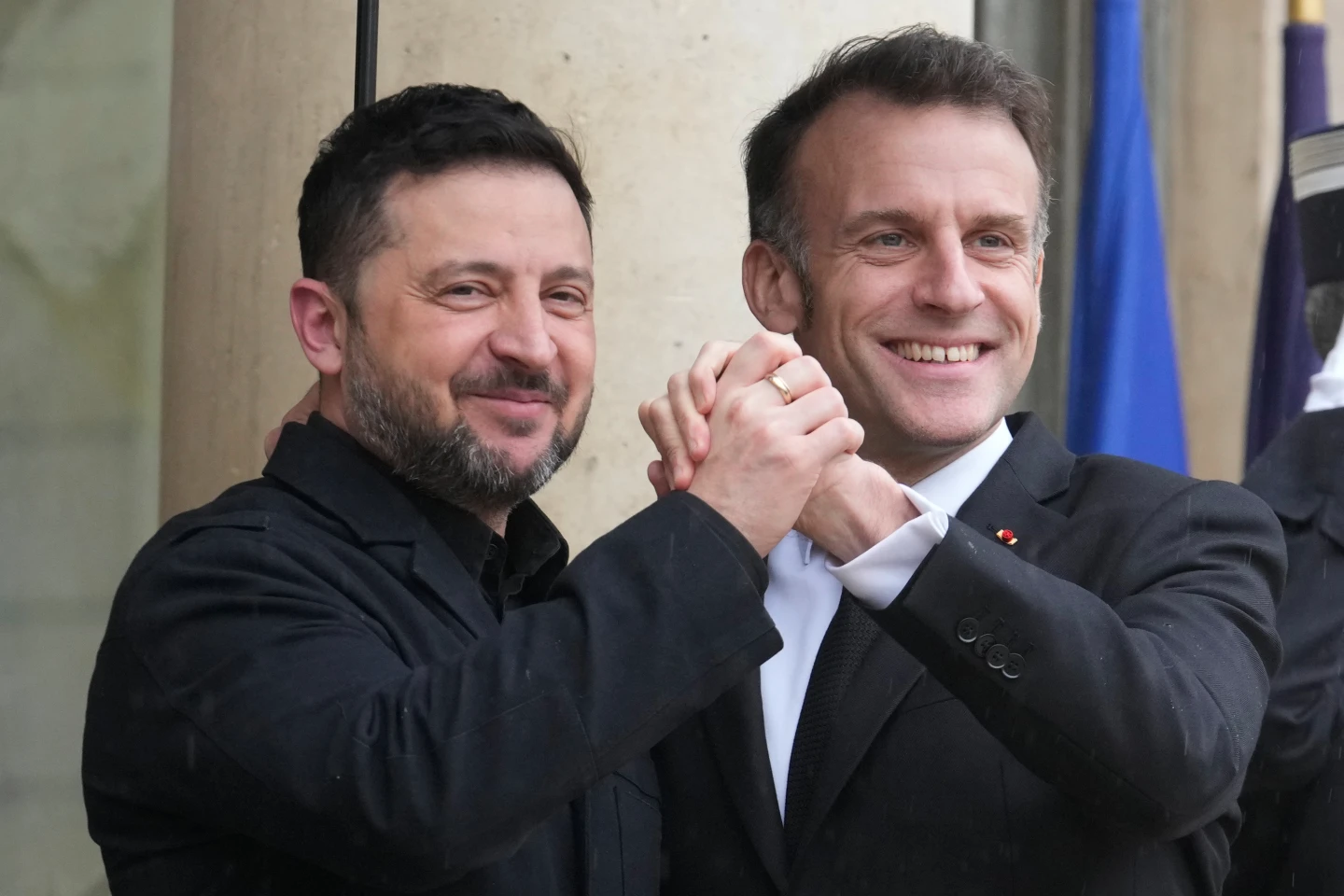
French President Emmanuel Macron said France was exploring the possibility of an international mission to escort ships through the strait once conditions allow.
Rising Tensions in the Gulf
The situation in the region remains volatile.
Iran’s foreign minister Abbas Araghchi said several countries had approached Tehran seeking safe passage for their vessels, though decisions ultimately rest with Iran’s military.
He added that Iran currently sees no reason to negotiate directly with the United States to end the conflict.
Meanwhile, International Energy Agency said member countries plan to release nearly 412 million barrels from emergency oil reserves to help stabilize global energy markets amid rising prices.
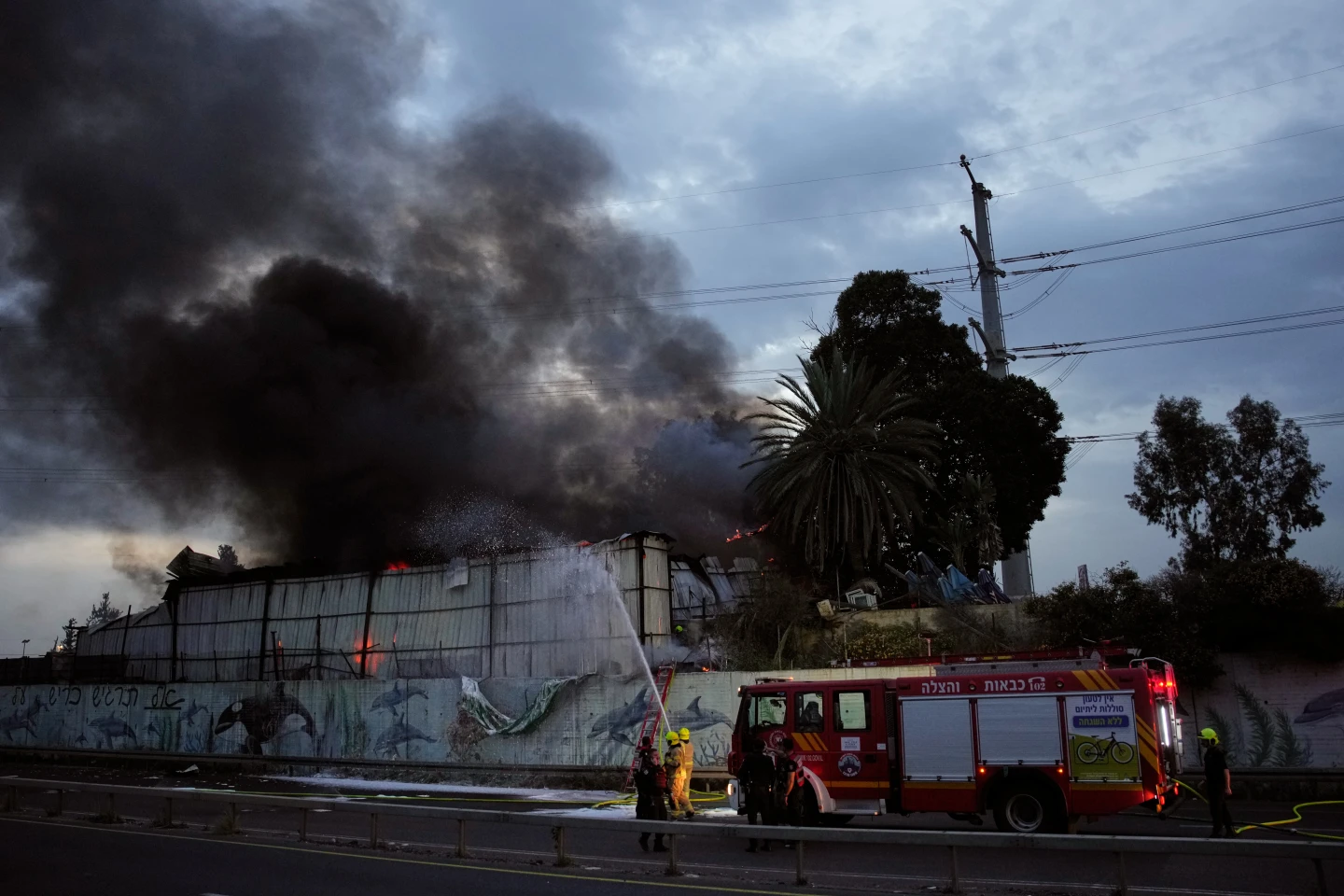
Across the Gulf, several countries reported missile or drone attacks, including incidents in the United Arab Emirates where a drone struck a fuel tank near Dubai International Airport, briefly disrupting flights.
The widening conflict has already taken a heavy toll, with civilian casualties reported across the region and growing concerns about further escalation.