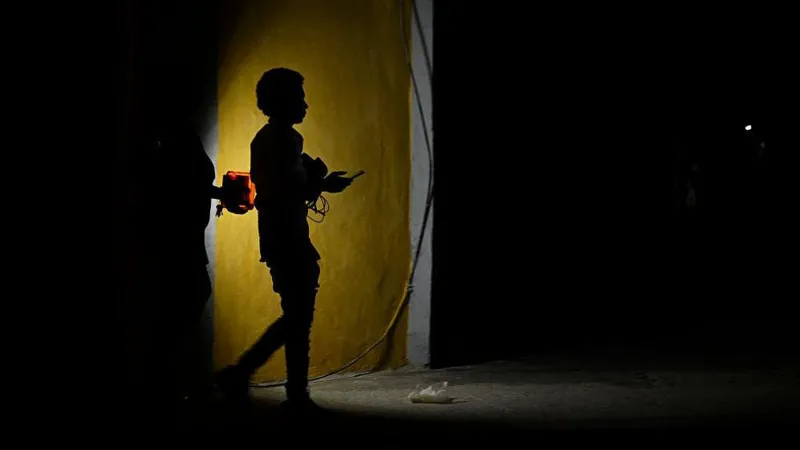
Cuba has battled widespread blackouts in recent years.
Millions of Cubans were plunged into darkness after the Cuba power grid collapse triggered a nationwide blackout on Monday, disrupting daily life across the island. The sudden failure of the national electrical system left nearly the entire population without electricity, highlighting the deepening energy crisis facing the Caribbean nation.
Authorities said technicians immediately began working to stabilize the network and restore power in phases. While electricity has gradually returned to some provinces and urban areas, large parts of the country continued to experience outages as engineers struggled to bring the aging system back online.
A Nationwide Blackout Disrupts Daily Life
The collapse of Cuba’s national power grid affected roughly 10 million residents, shutting down homes, businesses, and essential services across the country. The state-run power operator reported that the electrical network experienced a total disconnection, forcing authorities to restart the system step by step to avoid further damage.
Hospitals and critical facilities were given priority as power restoration began through smaller regional subsystems. Even so, many communities remained without reliable electricity for hours, forcing residents to cope with darkness, food spoilage, and disrupted routines.
For many Cubans, the blackout was frustrating but not entirely unexpected. Years of recurring outages have made power cuts a common part of daily life, with residents often scrambling to charge devices or prepare meals whenever electricity briefly returns.
Fuel Shortages Deepen the Energy Crisis
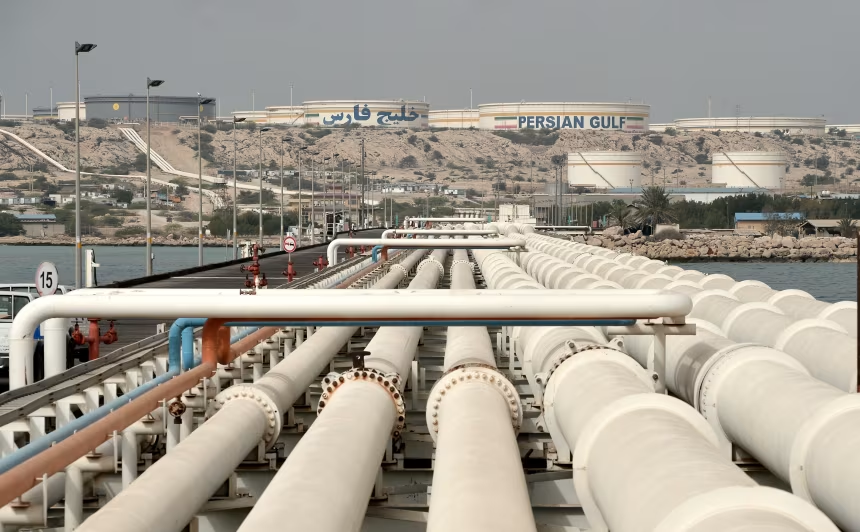
The Cuba power grid collapse comes amid an ongoing fuel shortage that has severely limited electricity generation. The country depends heavily on imported oil, particularly from Venezuela, which historically supplied a significant share of its energy needs.
However, those shipments have largely stopped in recent months, leaving Cuba struggling to keep its thermoelectric plants running. Officials confirmed that no major oil deliveries have reached the island for roughly three months, intensifying the strain on the already fragile power system.
Without steady fuel supplies, power plants have frequently shut down or reduced output, creating a widening gap between electricity demand and production. Combined with aging infrastructure and limited investment in repairs, the shortage has pushed the national grid closer to repeated breakdowns.
Rising Tensions and Political Pressure
The crisis has unfolded against the backdrop of heightened geopolitical tensions. The United States has increased pressure on Cuba by targeting oil shipments bound for the island and warning other countries against supplying fuel.
Amid the blackout, U.S. President Donald Trump made controversial remarks suggesting the United States could potentially “take” Cuba, describing the country as weakened by its current challenges. Meanwhile, the Cuban government confirmed that early discussions with Washington had begun in an attempt to ease tensions and address the worsening situation.
These developments have intensified debate about the political and economic pressures shaping the island’s energy crisis.
Public Frustration Fuels Protests
Frequent blackouts and soaring living costs have increasingly tested public patience in recent years. The latest outage has added to a wave of frustration that has already sparked protests in several cities.
In the central city of Morón, demonstrators reportedly stormed a Communist Party building following rallies over rising food prices and persistent electricity cuts. The unrest reflects a broader sense of hardship among citizens struggling with shortages of power, fuel, and basic goods.
Despite the turmoil, many residents say they have grown accustomed to the instability. One Havana resident described the blackout as unsurprising, noting that people have gradually adapted to living with unreliable electricity.
Uncertain Path to Recovery
As engineers continue restoring the grid, Cuba faces the difficult challenge of stabilizing its energy system while addressing the deeper issues that caused the collapse. Aging power plants, limited fuel imports, and financial constraints remain major obstacles to long-term recovery.
For now, the gradual return of electricity offers only temporary relief. Until sustainable solutions emerge, the Cuba power grid collapse serves as a stark reminder of how fragile the nation’s energy infrastructure has become.