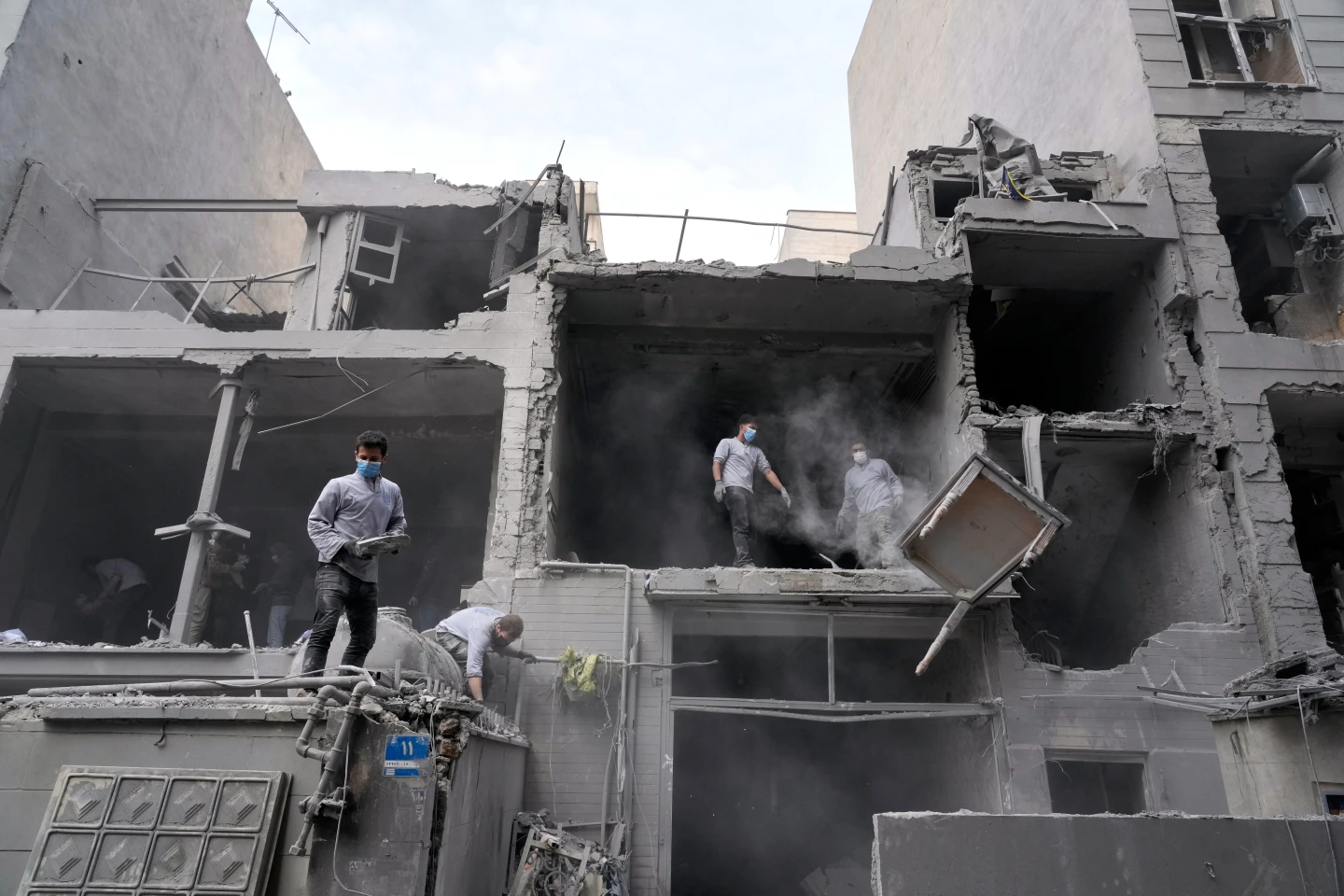
Volunteers clean debris from a residential building damaged when a nearby police station was hit Friday in a U.S.-Israeli strike in Tehran, Iran, Sunday, March 15, 2026.
Explosions echoed across several Gulf cities early Tuesday as tensions in the Middle East escalated sharply. Fresh Iranian missile and drone attacks triggered air defense responses in the United Arab Emirates and Qatar, while Israel launched a new wave of strikes on Tehran and intensified attacks in Lebanon. The expanding conflict is now drawing in neighboring countries, rattling global energy markets and raising concerns about the stability of one of the world’s most vital oil routes.
Iran Expands Attacks Across the Gulf
Residents of Dubai and Doha awoke to the sound of interceptions as defense systems attempted to stop incoming Iranian missiles and drones. Authorities in the United Arab Emirates briefly closed the country’s airspace while the military responded to what it described as multiple aerial threats targeting the region.
Dubai, a major global aviation hub, resumed normal operations shortly afterward, but the incident highlighted growing security challenges for Gulf nations trying to maintain stability during the conflict. Explosions were heard across the city as defensive systems intercepted several projectiles.
Meanwhile, Iran continued targeting energy infrastructure across the region. A drone strike hit an oil facility in Fujairah on the UAE’s eastern coast, although officials reported no injuries. Another projectile struck a tanker anchored offshore, causing minor structural damage but leaving the crew unharmed.
The UAE also confirmed a civilian death in Abu Dhabi after falling debris from an intercepted missile struck the victim. Officials said the fatality brought the country’s death toll since the conflict began to eight.
Rising Pressure on Oil Supply and Shipping Routes
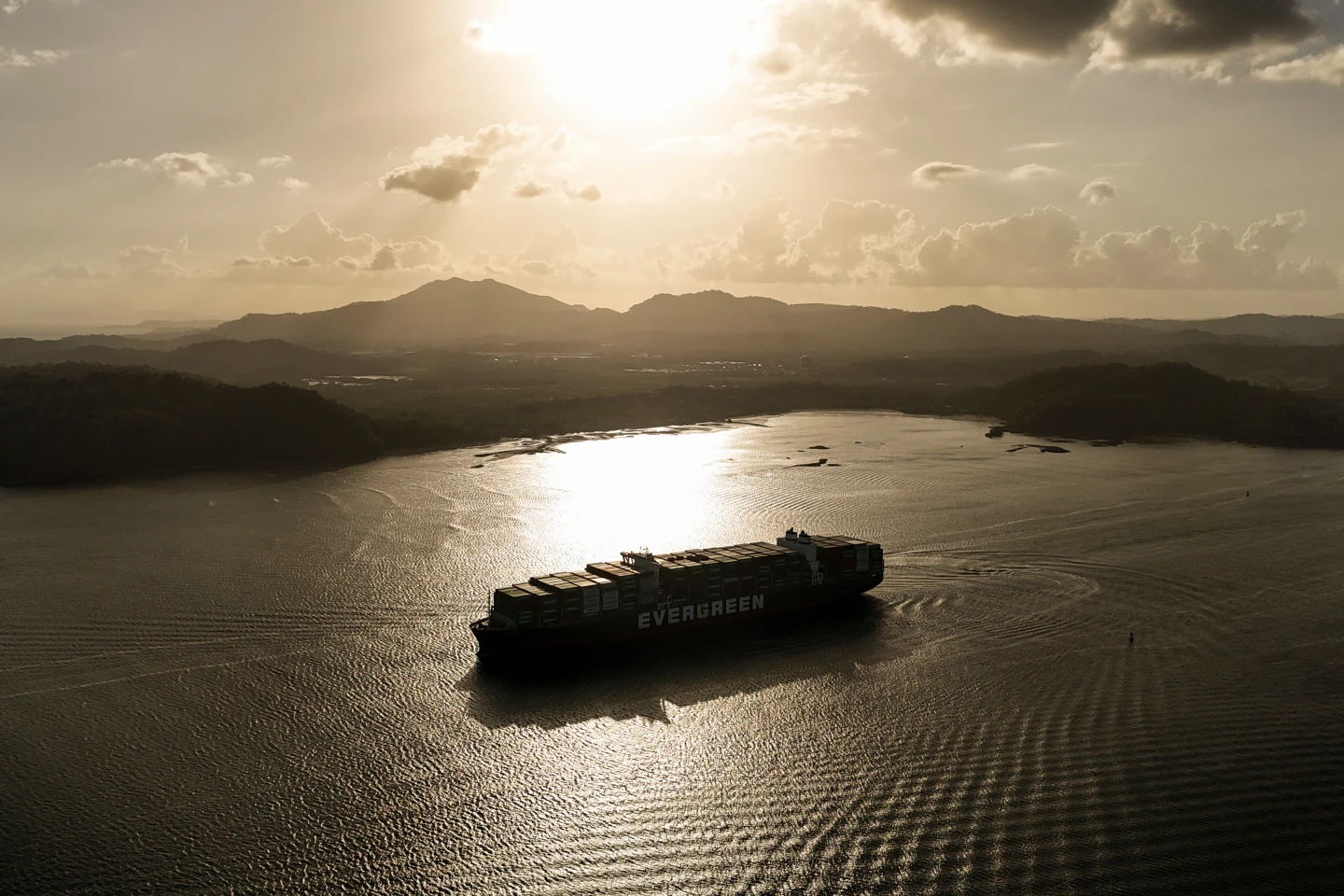
Iran’s attacks have increased pressure on Gulf shipping routes, particularly around the Strait of Hormuz, a strategic waterway that carries roughly one-fifth of the world’s oil supply. The escalating disruption has heightened fears of a global energy crisis, especially as oil shipments face growing risks.
Several vessels have already been targeted since the war began in late February following U.S. and Israeli strikes on Iran. Around twenty ships have reportedly been hit or damaged near the Gulf of Oman and surrounding waters.
As the crisis deepened, global oil prices continued climbing. Brent crude remained above $100 per barrel, reflecting a sharp increase since hostilities intensified.
Israel Intensifies Strikes on Tehran and Hezbollah
While Iranian attacks spread across the Gulf, Israel launched what it described as a “wide-scale wave of strikes” targeting locations across Tehran. The operation was part of a broader military campaign aimed at weakening Iranian military infrastructure and allied forces.
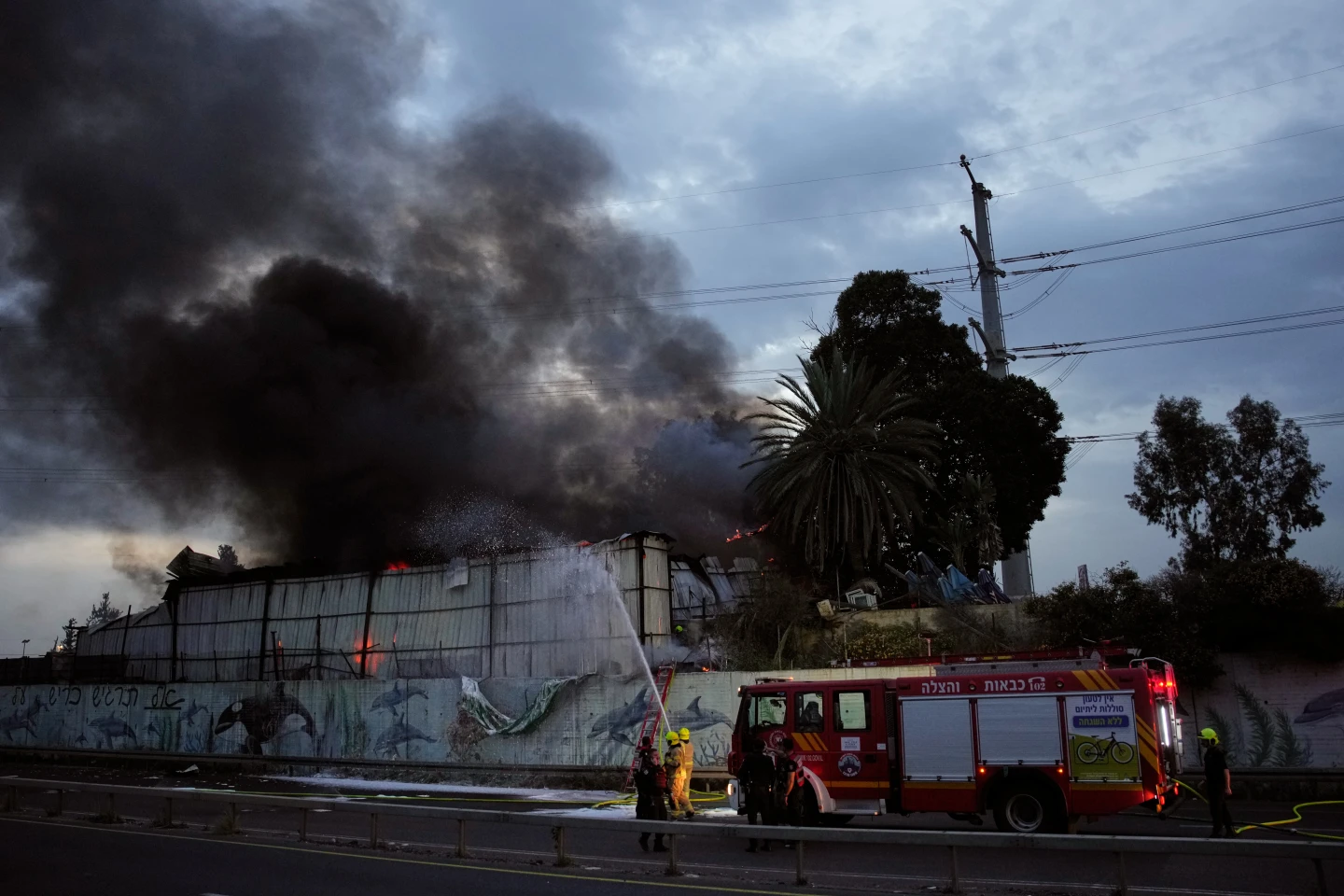
At the same time, Israeli forces stepped up strikes against Hezbollah positions in Beirut and southern Lebanon. The group, backed by Iran, has continued launching rockets toward northern Israel since the conflict began.
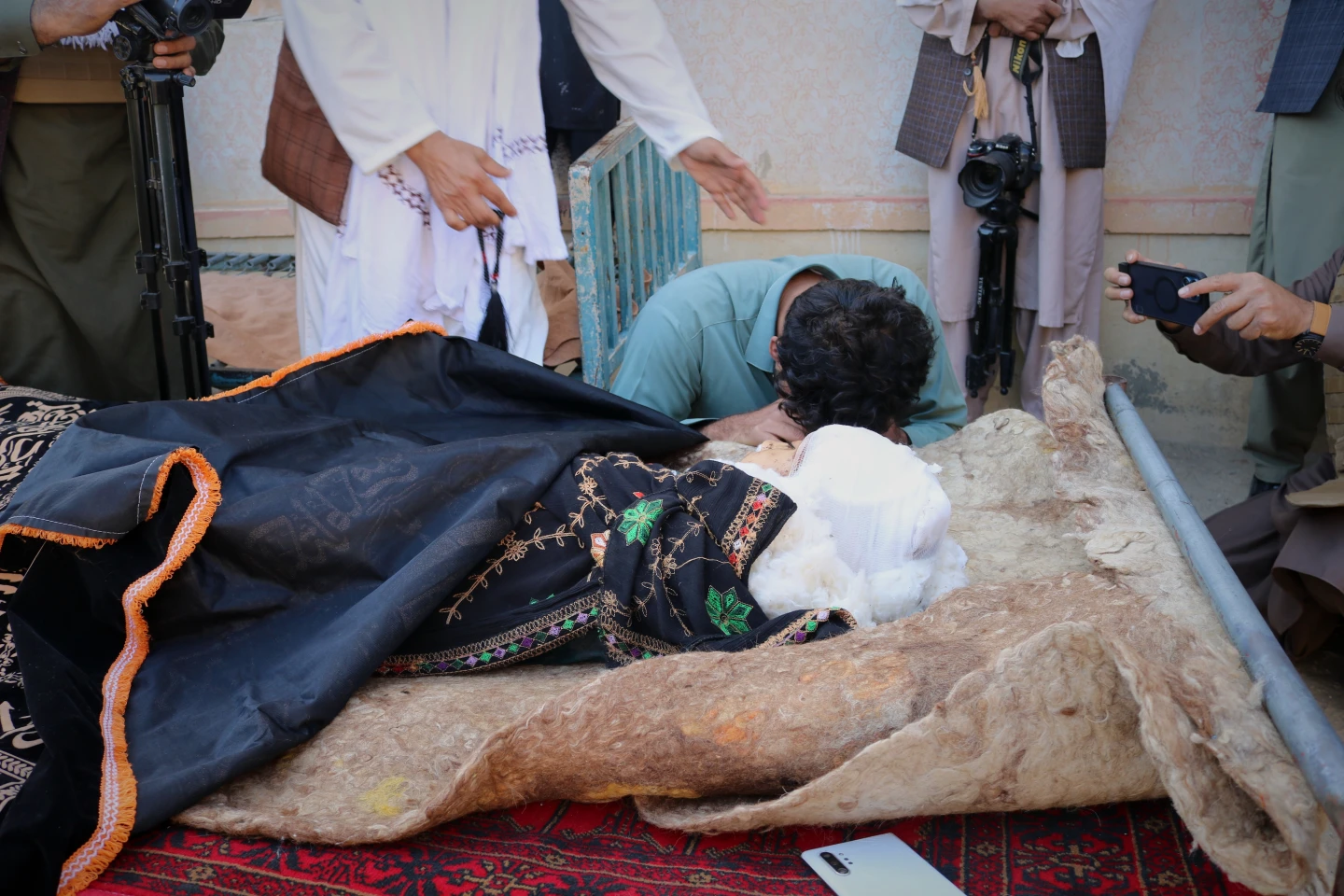
The violence has had devastating humanitarian consequences across the region. Iranian authorities say more than 1,300 people have been killed since the fighting began, while Lebanon reports around 850 deaths and over one million residents displaced from their homes.
Israeli forces have also moved closer to the Lebanese border, raising concerns that a broader ground invasion could follow.
Missile Exchanges Continue Across the Region
Missile fire continued between the two sides overnight. Israel reported intercepting two separate Iranian missile barrages aimed at Tel Aviv and areas near the Sea of Galilee. Hezbollah militants also launched rockets toward northern Israel.
Elsewhere in the region, tensions spread into Iraq, where drones linked to Iran-aligned militias targeted the U.S. Embassy in Baghdad. Iraqi security officials said air defenses successfully shot down all four drones before they reached the compound, though falling debris caused minor damage.
Another strike reportedly hit a residence within Baghdad’s fortified presidential complex, though responsibility for that attack remains unclear.
Global Powers Weigh Response to Strait of Hormuz Threat
As the conflict intensifies, international attention has increasingly turned toward the Strait of Hormuz. The narrow passage is crucial to global energy supplies, and its disruption has unsettled markets and raised fears of wider economic fallout.
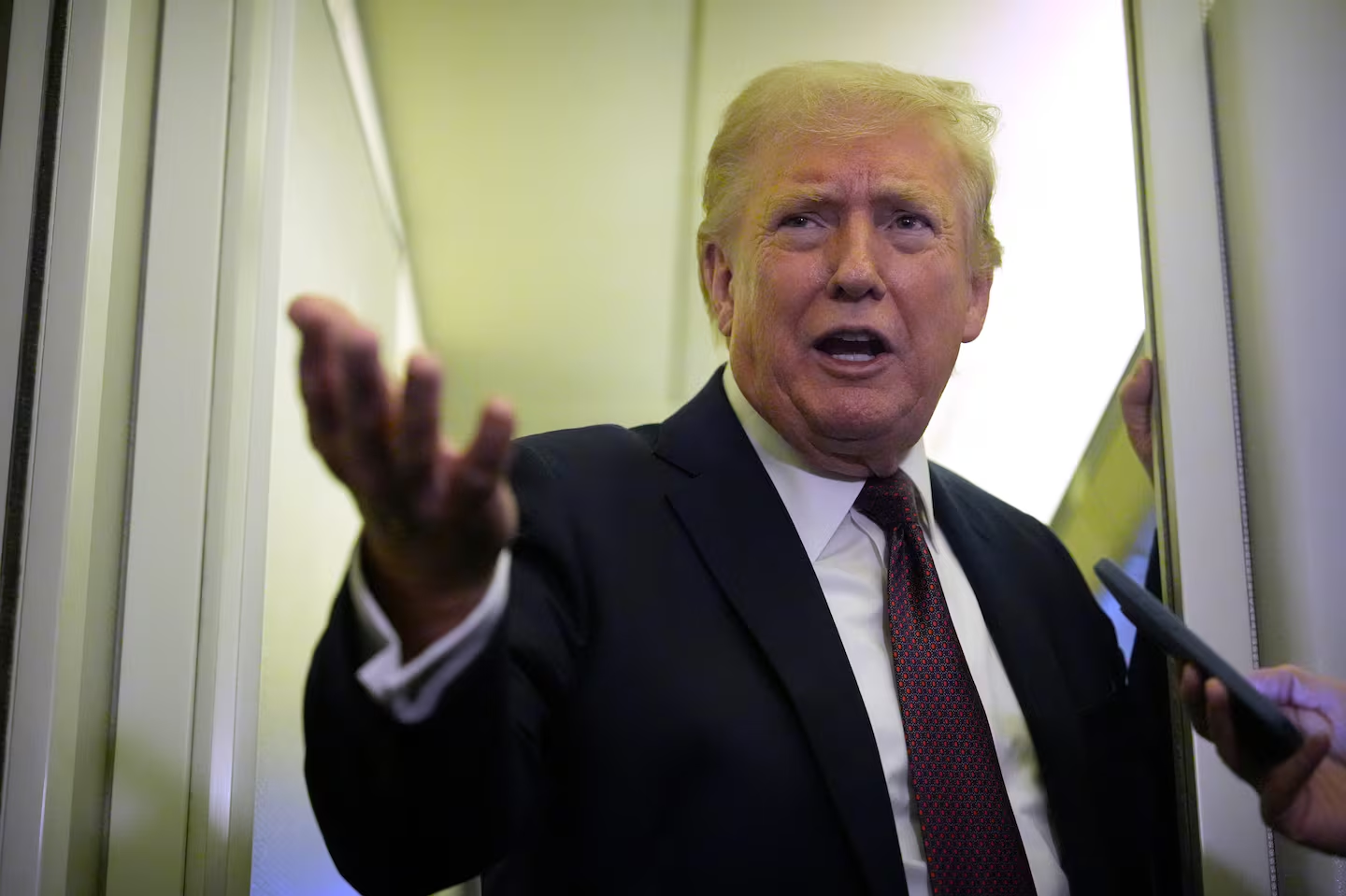
U.S. President Donald Trump has urged several countries to send naval forces to help secure the waterway and ensure oil shipments continue moving. However, those calls have so far received limited response, as many governments remain cautious about becoming directly involved in the conflict.
Several European leaders have emphasized the need for diplomacy instead of military escalation. Britain has indicated it may deploy mine-hunting drones already stationed in the region but has stressed it will avoid entering the broader war.
For now, the conflict continues to spread beyond its original battlegrounds, pulling neighboring countries into its orbit and increasing uncertainty across global energy markets. With missile exchanges and military operations intensifying, hopes for a swift de-escalation remain uncertain.