Chinese lead trade negotiator Li Chenggang gives a press conference at the Organization for Economic Cooperation and Development headquarters, Monday, March 16, 2026, in Paris, France
Fresh tensions are emerging in global trade dynamics as China raises concerns over U.S. tariff actions, even as both sides attempt to stabilize a delicate economic relationship. Following high-level discussions in Paris, Chinese officials signalled unease about Washington’s evolving trade strategy, warning that new measures could disrupt hard-earned progress between the world’s two largest economies.
Growing concerns over Trump tariffs and trade investigations
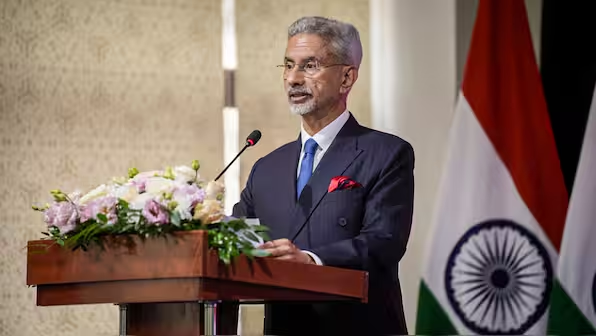
China’s international trade representative, Li Chenggang, voiced strong apprehension over recent U.S. moves to launch fresh trade investigations into overseas manufacturing. These actions come after earlier tariffs imposed during Donald Trump’s administration were struck down by the U.S. Supreme Court, prompting Washington to explore alternative approaches.
Li explained that Beijing fears the outcome of these investigations could interfere with the steady recovery of bilateral trade ties. While both nations have worked to rebuild trust after previous disputes, the possibility of expanded tariffs and additional non-tariff barriers has introduced a new layer of uncertainty.
Despite these concerns, officials from both sides acknowledged the importance of maintaining stability. Discussions in Paris included efforts to prevent sudden escalations, with both countries indicating a willingness to keep tariff levels predictable in the near term.
Diplomatic efforts aim to prevent escalation
On the U.S. side, Treasury Secretary Scott Bessent described the talks as constructive, emphasising that ongoing dialogue is essential to avoid retaliatory measures. His remarks reflected a broader effort by Washington to manage tensions while recalibrating its trade tools in response to legal and economic shifts.
U.S. Trade Representative Jamieson Greer added that the meetings helped outline a preliminary framework for future engagement between the two countries. According to him, both delegations worked toward establishing a roadmap that could lead to tangible outcomes when top leaders meet next.
At the same time, U.S. officials clarified that while trade policy instruments may evolve, the broader strategic direction remains unchanged. The current investigations, they noted, are part of a procedural adjustment rather than a shift in core policy objectives.
Trump-Xi meeting plans face geopolitical uncertainty
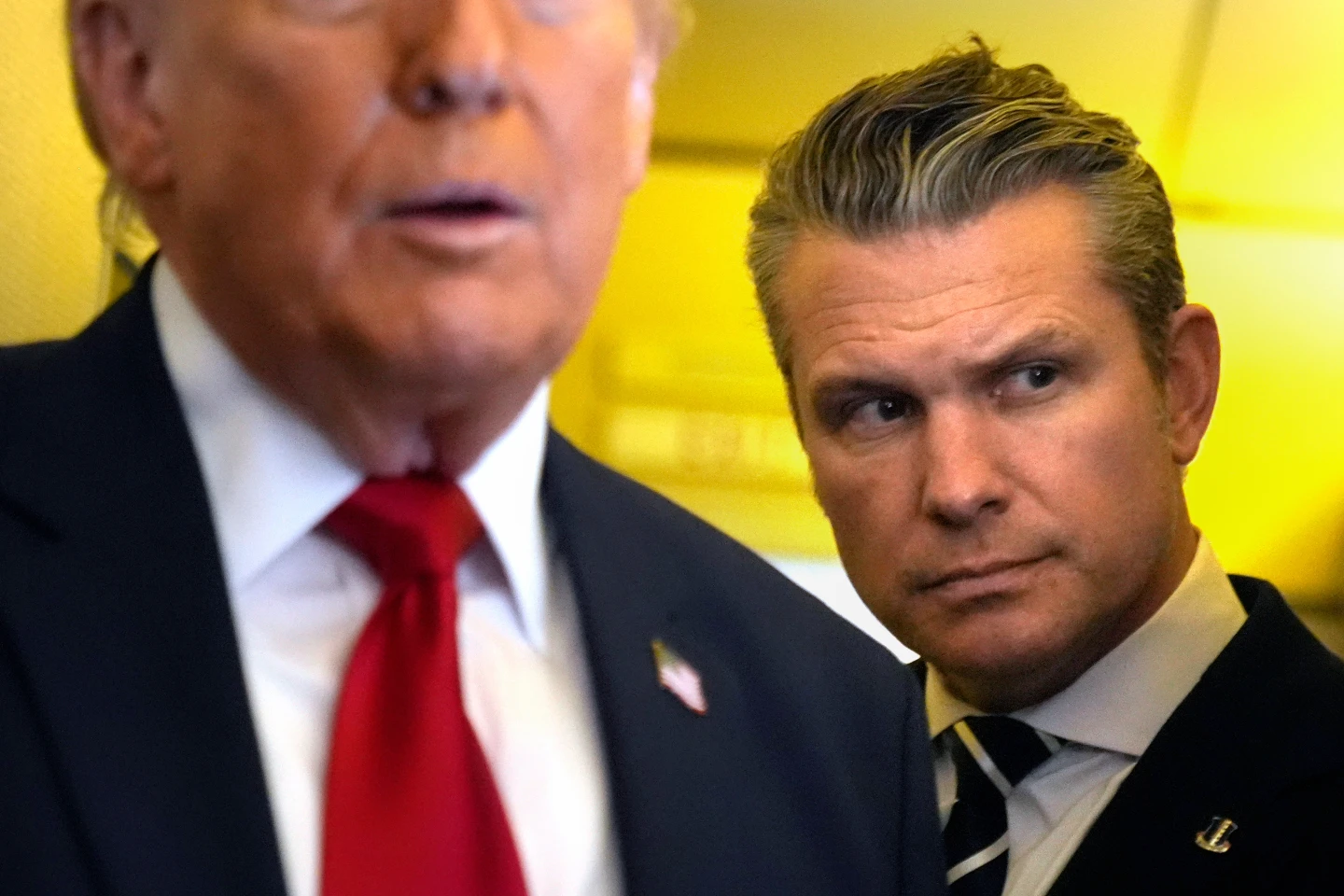
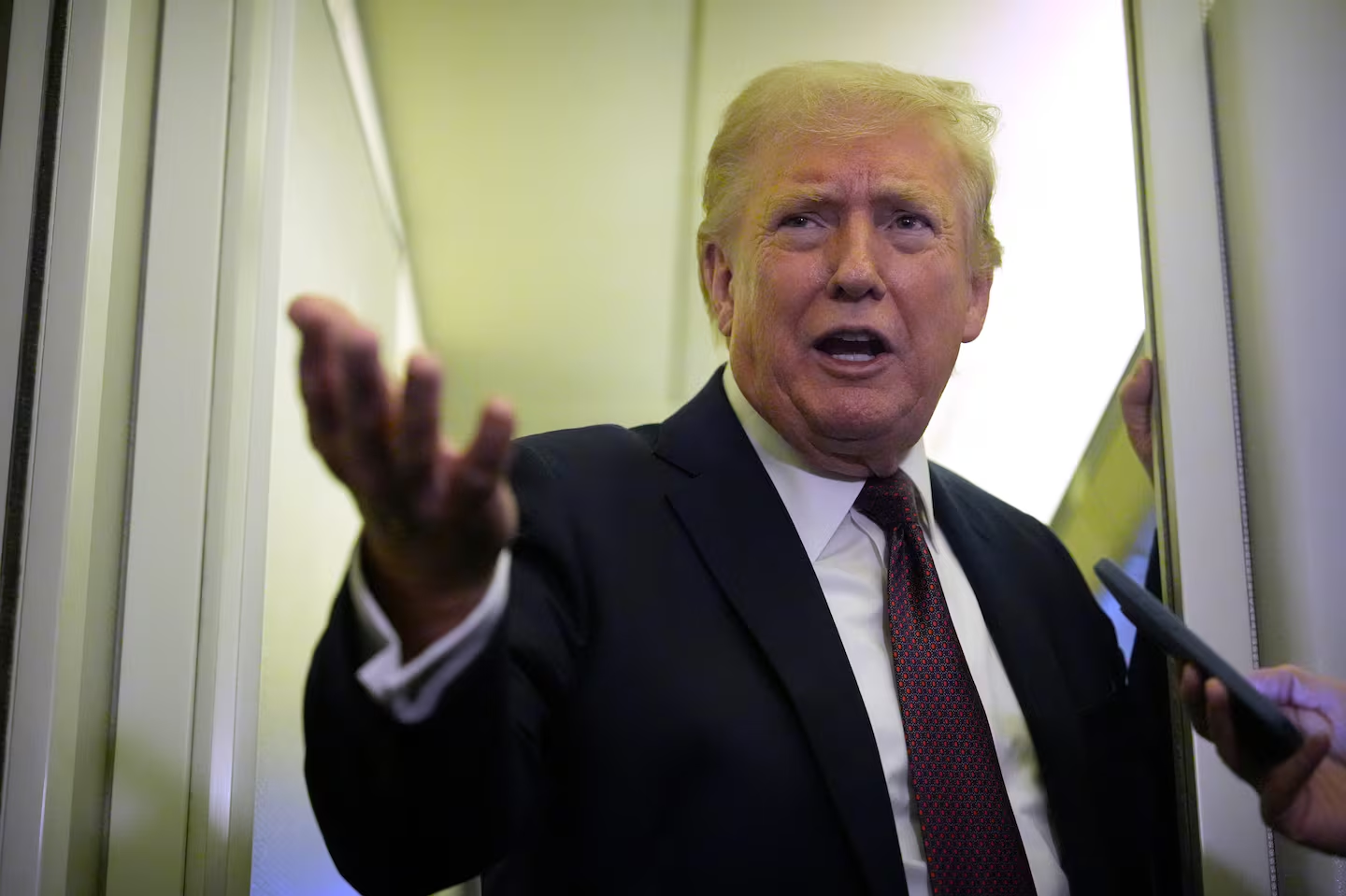
The Paris discussions were also intended to lay the groundwork for a potential meeting between Donald Trump and Chinese President Xi Jinping. The anticipated visit would mark Trump’s first trip to China since his earlier presidency, adding symbolic weight to the ongoing diplomatic engagement.
However, uncertainty looms over the timing of the visit. Trump has indicated that the trip could be delayed, particularly as geopolitical tensions linked to the Iran conflict continue to escalate. The situation has placed additional pressure on global energy markets, with oil prices rising sharply.
While Trump has suggested that China could play a role in easing tensions around the Strait of Hormuz, U.S. officials have pushed back on any direct linkage between that issue and the proposed visit. Bessent made it clear that any postponement would be driven by military and strategic considerations rather than unmet expectations from Beijing.
A fragile path forward for global trade relations
The evolving situation highlights the complex interplay between trade policy and broader geopolitical developments. Although both China and the United States have shown a willingness to maintain dialogue, underlying tensions remain difficult to ignore.
The recent tariff truce, which followed a period of sharply increased import duties, offered temporary relief to global markets. Yet, as new policy tools emerge and external conflicts influence decision-making, the stability of this arrangement is far from guaranteed.
Ultimately, the success of future negotiations will depend on both sides balancing domestic priorities with the need for international cooperation. For now, the cautious tone from Paris suggests that while confrontation has been avoided, the path to lasting trade stability remains uncertain.