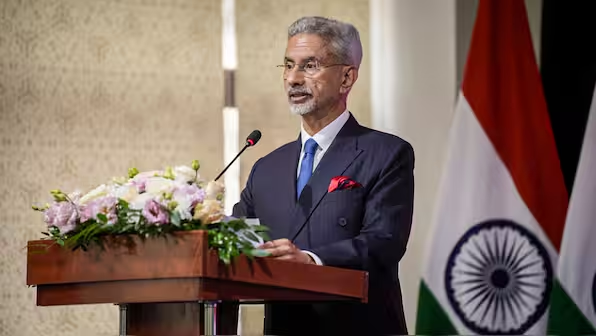
Parliament Speaker Ali Larijani gives a press conference in Tehran, Iran, Dec. 1, 2019.
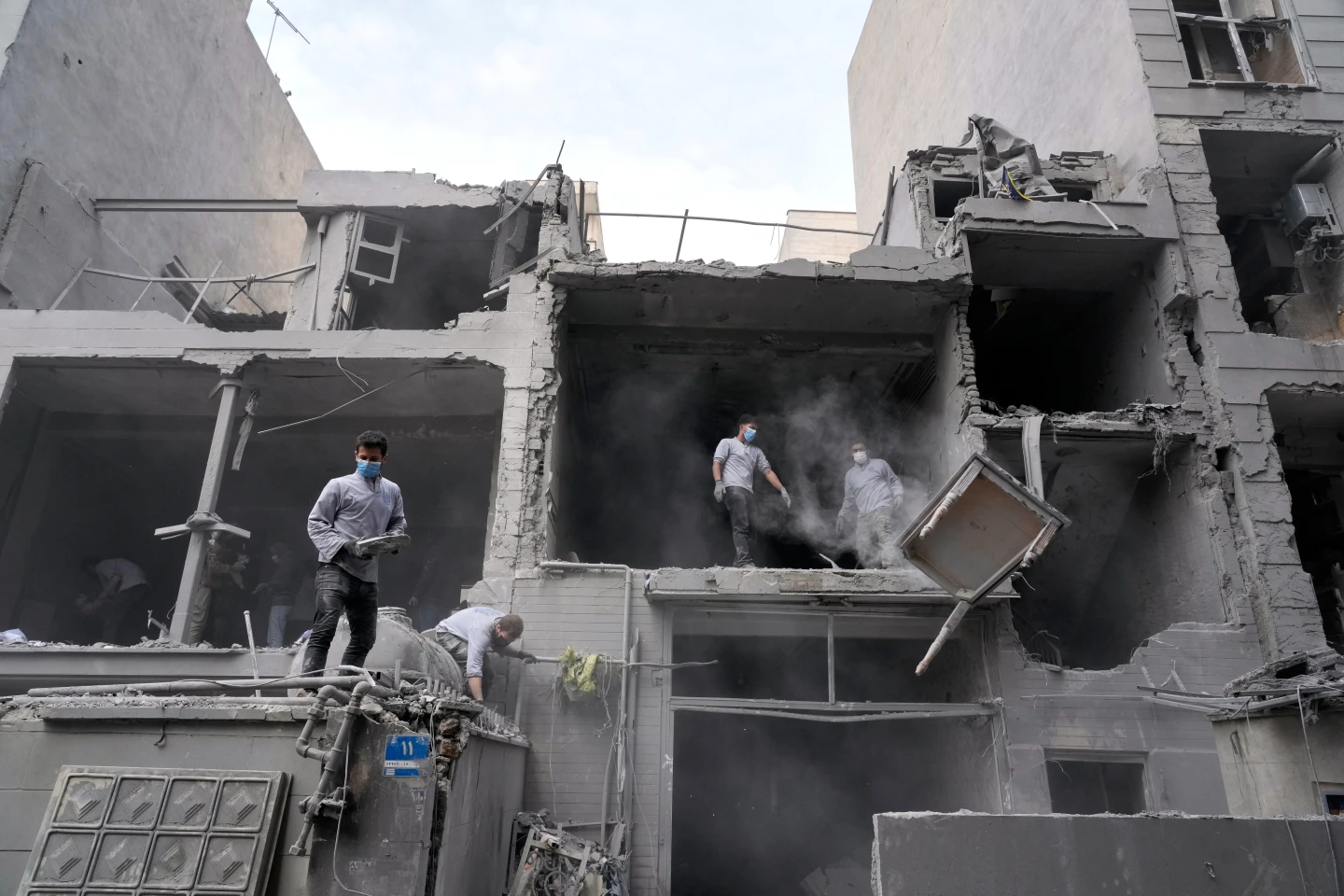
The death of Ali Larijani has added a dramatic new turn to the escalating conflict in the Middle East, with Iranian authorities confirming that the senior security official was killed in an Israeli strike. The 67-year-old conservative figure had emerged as a central force in Iran’s leadership during a period of intense instability, particularly after recent attacks that reshaped the country’s power structure.
A Key Figure at the Center of Iran’s Wartime Leadership
In the weeks leading up to his death, Ali Larijani was widely seen as one of the most influential figures steering Iran through crisis. Following the reported killing of the country’s supreme leader in joint U.S. and Israeli strikes, Iran’s leadership structure shifted rapidly, pushing key decision-makers into the spotlight while forcing others into secrecy.
Although Larijani was not eligible to become supreme leader due to not being a Shiite cleric, he was still regarded as a critical strategist. Many observers believed he had effectively taken charge of day-to-day governance as military pressure intensified and senior leaders reduced public appearances for security reasons.
Strategic Role in Diplomacy and Rising Tensions
Larijani’s influence extended beyond internal politics, particularly in matters related to nuclear negotiations. He had been appointed as an adviser on strategy for talks with the United States and had recently traveled to Oman to meet mediators, highlighting his continued diplomatic relevance even as tensions escalated.
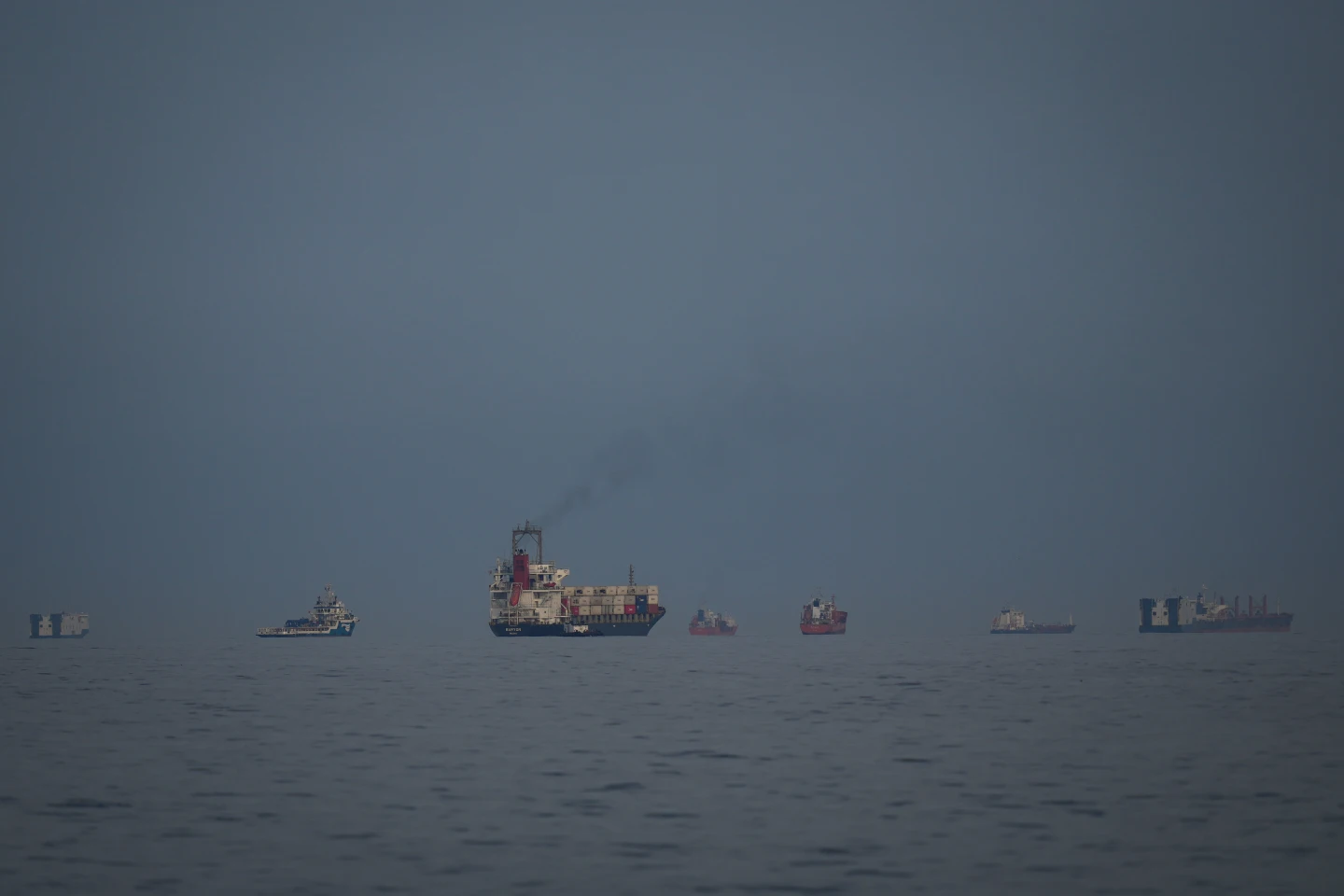
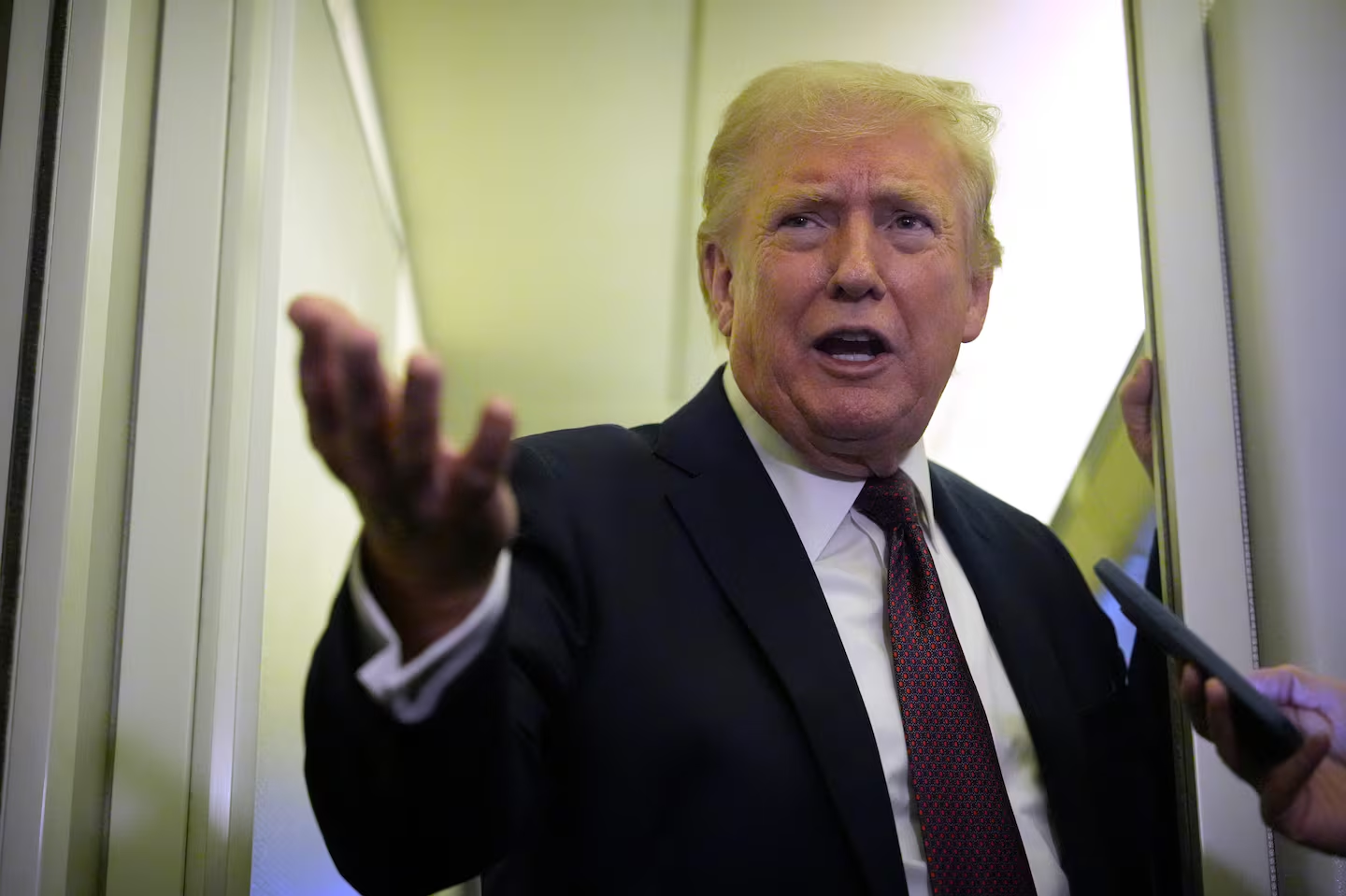
However, the fragile diplomatic track quickly unraveled as threats intensified. Just days before his death, Larijani publicly responded to warnings from U.S. President Donald Trump regarding potential retaliation over disruptions in the Strait of Hormuz. His remarks reflected a defiant tone, reinforcing Iran’s stance amid mounting external pressure and signaling the hardline approach he had increasingly adopted over time.
A Powerful Political Legacy
Born into one of Iran’s most prominent political families, Larijani carried a legacy that shaped his long career. His family’s influence stretched across multiple pillars of the Iranian system, with his brothers holding key roles in the judiciary and foreign policy circles. This network contributed to his standing as a trusted insider within the country’s ruling establishment.
Over several decades, Larijani held a variety of influential positions. He served as culture minister in the 1990s, where he was known for tightening media controls, before going on to lead parliament as speaker from 2008 to 2020. More recently, he headed the Supreme National Security Council, placing him at the core of Iran’s defense and strategic planning.
Strike Also Claims Family Member
The attack that killed Larijani also resulted in the death of his son, Morteza Larijani, according to Iran’s Supreme National Security Council. The loss underscores the personal and political toll of the ongoing conflict, which continues to expand in scope and intensity.
A Conflict Entering a More Uncertain Phase
Ali Larijani’s death is likely to deepen uncertainty within Iran’s leadership at a time when the country is already navigating unprecedented challenges. With key figures targeted and command structures under pressure, questions are growing about how Iran will respond both militarily and politically in the coming days.
As the conflict widens, the loss of a figure widely believed to be guiding Iran’s wartime strategy could mark a turning point. The situation remains fluid, but the implications of this strike are expected to resonate far beyond Iran’s borders, influencing the trajectory of an already volatile regional crisis.