The Girl Who Cried Pearls National Film Board of Canada
A haunting story told through delicate stop-motion has captured global attention, as The Girl Who Cried Pearls claimed the Academy Award for Best Animated Short, marking a proud moment for Canadian cinema.
For creators Maciek Szczerbowski and Chris Lavis, the win was more than just a career milestone. It was a celebration of years of artistic persistence—and a tribute to the system that made their storytelling possible.
A Story That Lingers Beyond the Screen
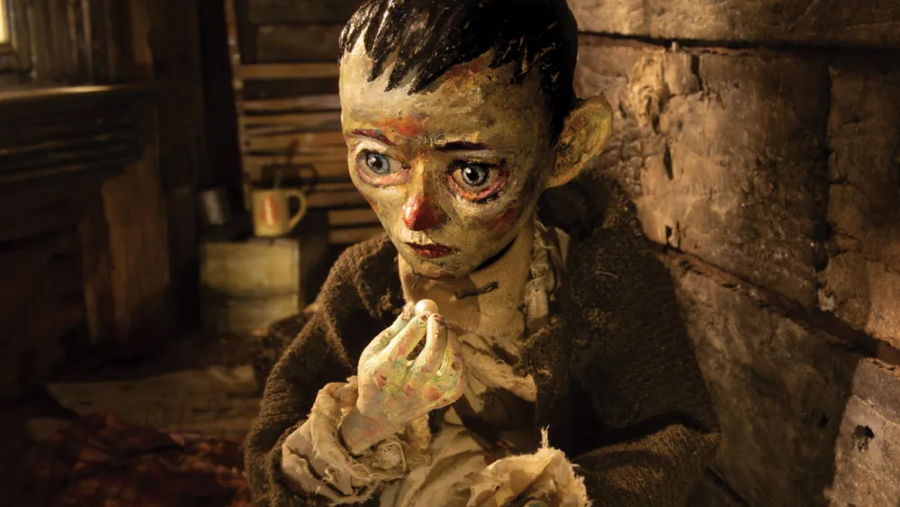
Set in turn-of-the-century Montreal, the film unfolds like a quiet dream. It follows a young boy living in poverty, drawn to a mysterious girl whose tears turn into pearls.
The narrative is simple yet deeply emotional, blending beauty with melancholy. Its handcrafted stop-motion style adds a layer of intimacy, making every frame feel personal and alive.
The film’s haunting tone and visual richness stood out among this year’s nominees, earning it both critical praise and now, Oscar recognition.
More Than Just a Win
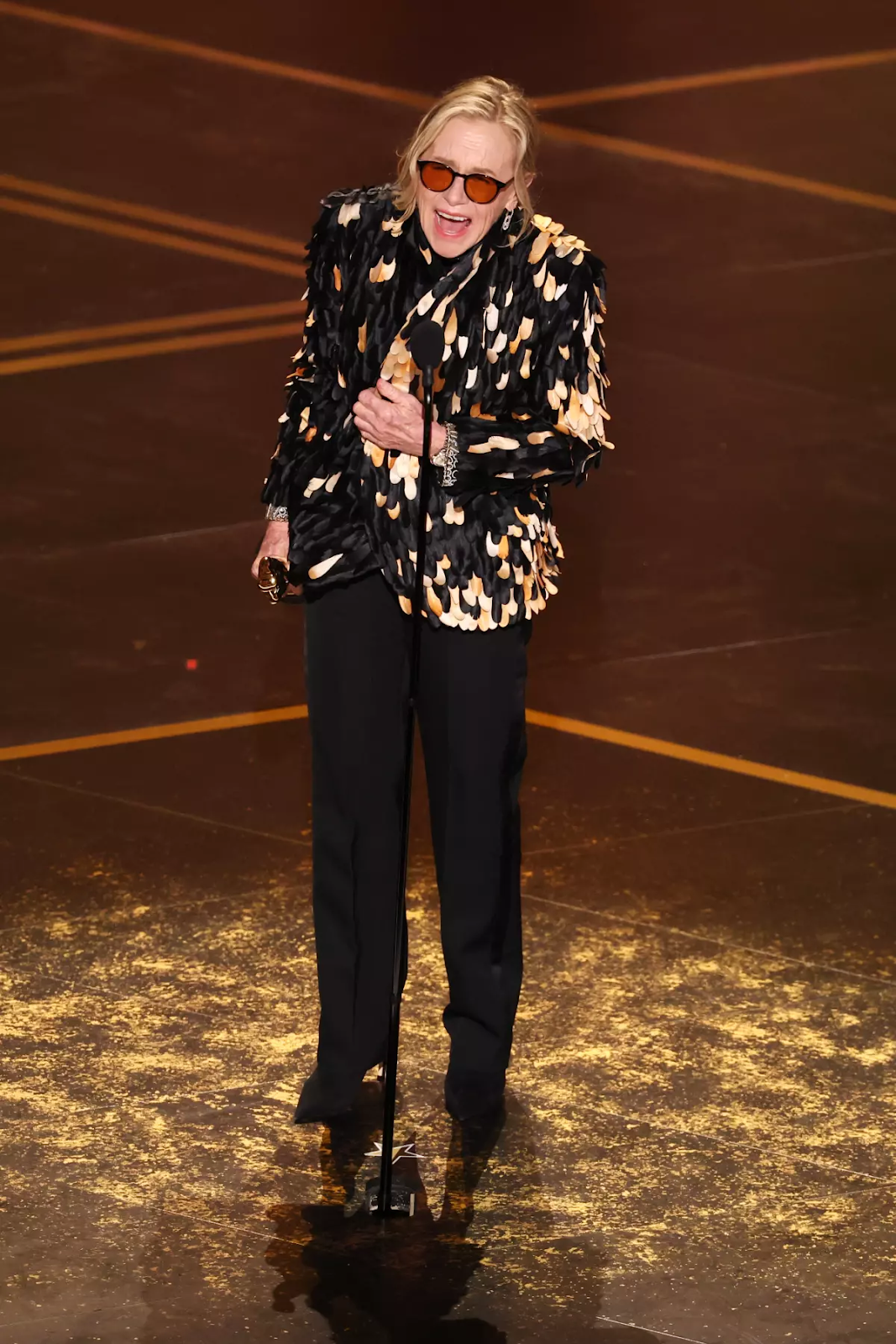
Speaking after the ceremony, Szczerbowski made it clear that the award represents something bigger than individual success.
He pointed to Canada’s long-standing support for the arts, emphasizing how cultural funding has helped creators bring unconventional ideas to life.
The film was backed by the National Film Board of Canada, an institution known for supporting bold and original storytelling.
“Allowing people like us—who still play with dolls in our 50s—to create something meaningful… that’s powerful,” he said, reflecting on the journey.
Behind the scenes of NFB's "The Girl Who Cried Pearls".
A Personal Journey Behind the Spotlight
Moments after stepping off the Oscar stage, Szczerbowski’s thoughts turned to his family.
In an emotional reflection, he spoke about his parents, who fled Poland decades ago in search of a better life in Canada. Carrying little more than hope, they built a future that eventually allowed their son to stand on one of the world’s biggest stages.
“My parents left everything behind,” he shared. “If they could see this moment, it would have meant everything.”
The memory added a deeply human layer to the celebration—a reminder that behind every artistic success lies a personal story shaped by sacrifice and resilience.
A Proud Moment for Canadian Cinema
The win for The Girl Who Cried Pearls is part of a broader wave of Canadian success at this year’s Oscars, highlighting the country’s growing influence in global filmmaking.
More importantly, it shines a light on the value of nurturing creative voices—especially those willing to take risks with storytelling and form.
As audiences around the world discover the film, its impact is likely to extend far beyond awards season.
Because sometimes, the quietest stories leave the strongest impression.