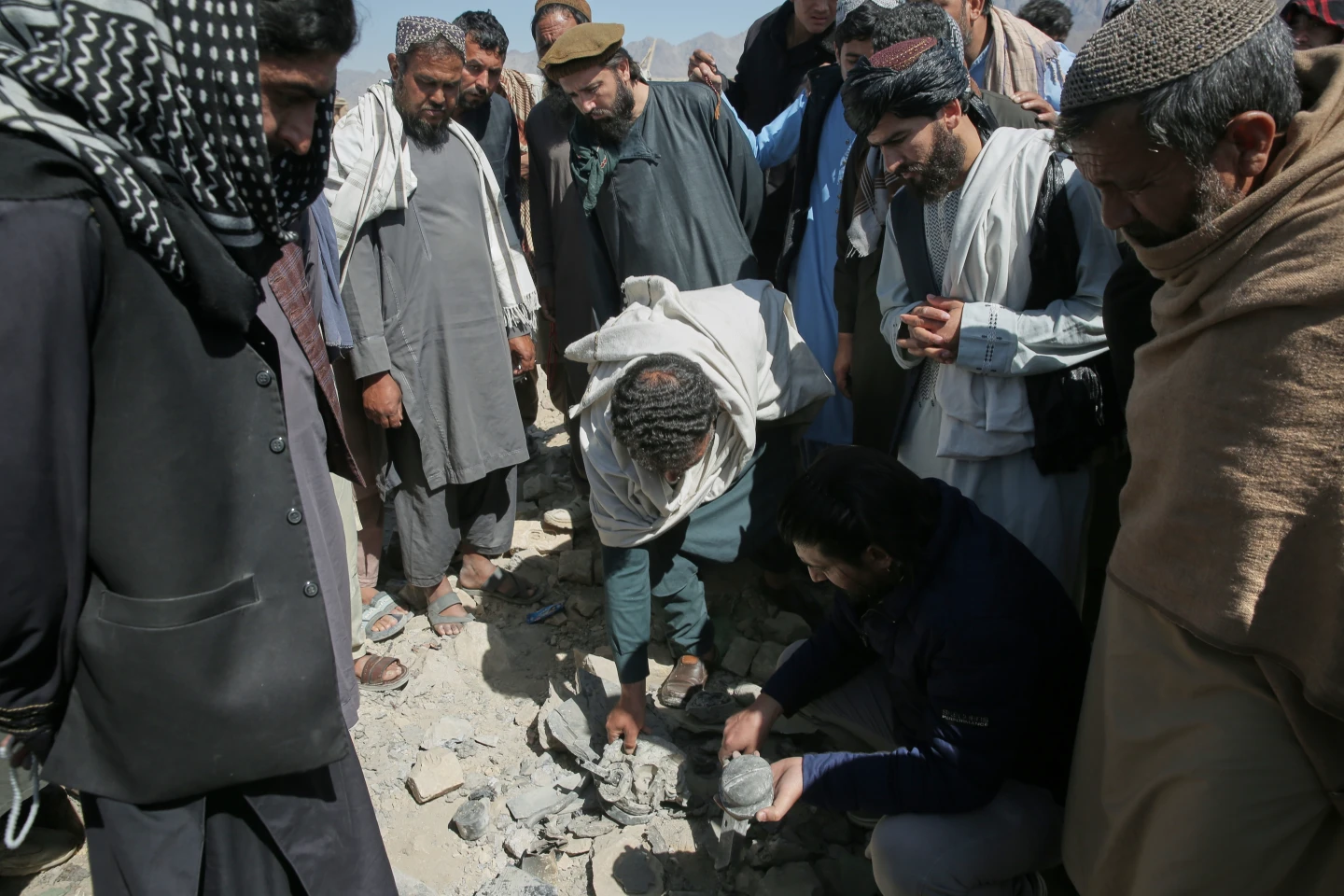
Residents and Taliban police gather the remains of a projectile at the site of a strike in Kabul, Afghanistan, Friday, March 13, 2026.
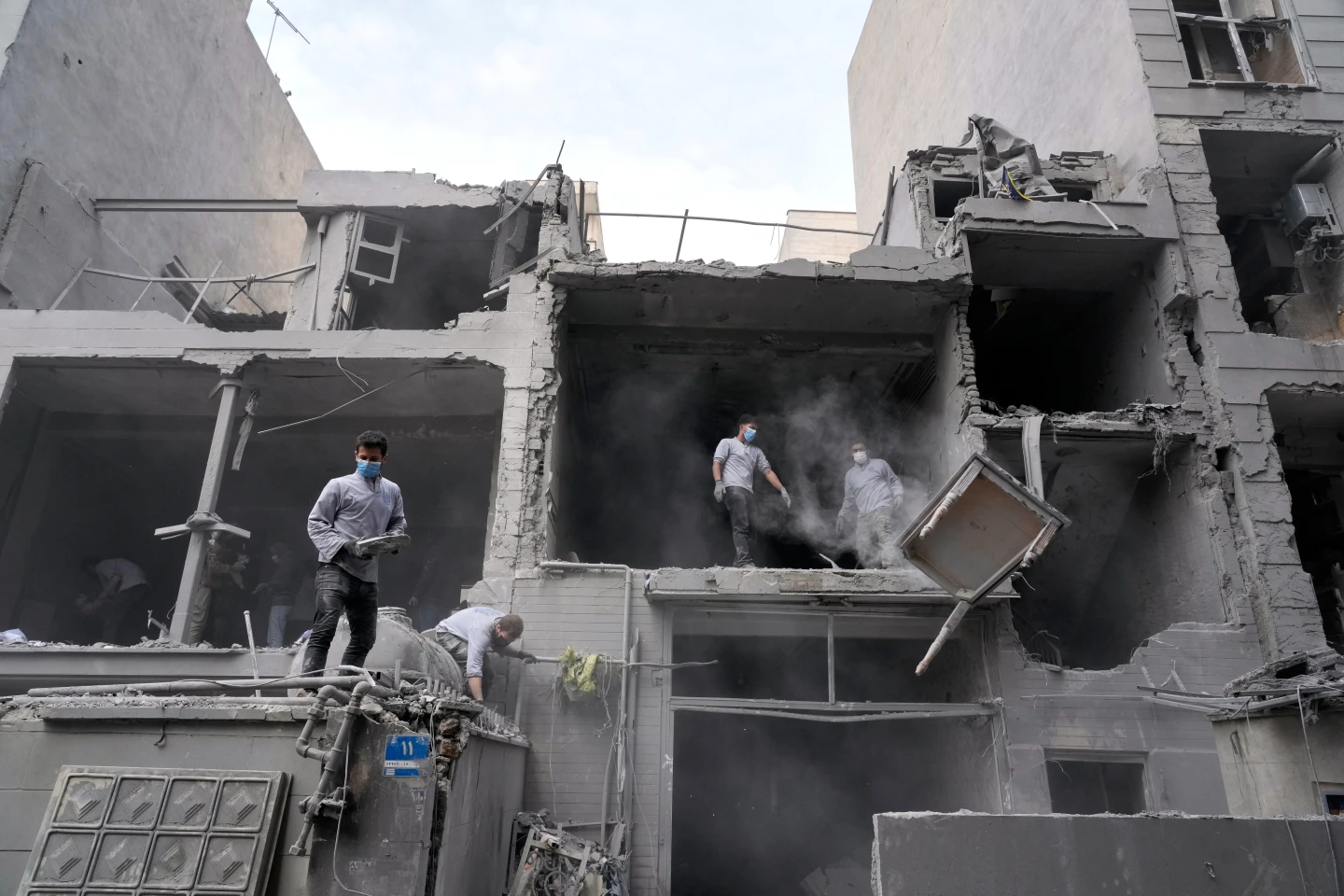
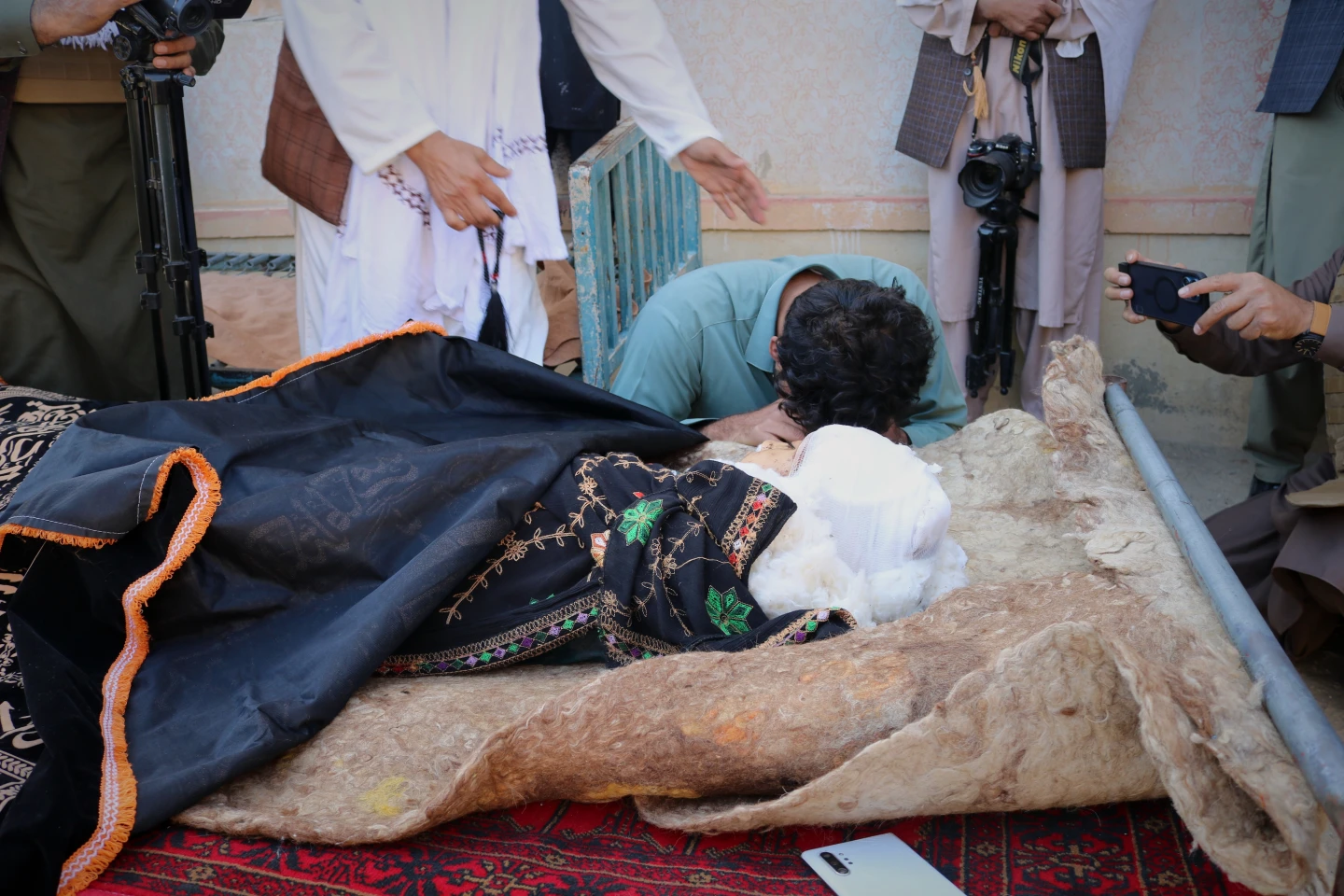
Afghanistan has accused Pakistan of carrying out a devastating airstrike on a drug rehabilitation hospital in Kabul that reportedly killed at least 400 people and injured hundreds more. The incident, which Afghan officials say occurred late Monday night, marks one of the deadliest moments in the rapidly escalating conflict between the neighboring countries.
The strike, according to Afghan authorities, hit the 2,000-bed facility around 9 p.m. local time. Large sections of the hospital were destroyed in the blast, leaving emergency crews scrambling through debris to rescue survivors and recover bodies.
Afghan Officials Describe Massive Casualties
Afghanistan’s deputy government spokesperson, Hamdullah Fitrat, said the hospital was severely damaged during the strike. He reported that at least 400 people had died so far, while approximately 250 others were injured.
Footage shared by local television stations showed security personnel using flashlights to navigate the darkened ruins while firefighters attempted to extinguish fires spreading through the wreckage. Rescue teams continued searching the site through the night as authorities worked to confirm the full scale of the casualties.
Another Afghan government spokesperson, Zabihullah Mujahid, strongly condemned the attack. He accused Pakistan of deliberately targeting civilian infrastructure, claiming that many of the victims were patients undergoing treatment at the hospital.
Mujahid described the incident as a violation of international humanitarian principles and called it a crime against humanity. Afghan officials said the strike came only hours after renewed gunfire along the shared border killed four people inside Afghanistan.
Pakistan Rejects Kabul Hospital Strike Claims
Pakistan has firmly denied accusations that its military targeted a hospital in Kabul. Officials in Islamabad insisted the operation focused strictly on military infrastructure and militant facilities.
A spokesperson for Pakistani Prime Minister Shehbaz Sharif dismissed Afghanistan’s allegations as unfounded. Meanwhile, Pakistan’s Information Minister Attaullah Tarar said the military conducted precision airstrikes against strategic targets in Kabul and eastern Afghanistan.
Tarar stated that the strikes destroyed what Pakistan described as technical support infrastructure and ammunition storage facilities. According to Pakistani authorities, these sites were allegedly being used by the Afghan Taliban to support militant groups operating against Pakistan.
Officials from Pakistan’s Ministry of Information also rejected Mujahid’s claims, calling them misleading and accusing Kabul of attempting to deflect attention from cross-border militant activity.
UN Pressure Mounts Over Rising Tensions
The latest violence unfolded just hours after the United Nations Security Council urged Afghanistan’s Taliban leadership to intensify efforts against militant groups operating in the region.
Pakistan has long accused Kabul of harboring organizations such as the Tehrik-i-Taliban Pakistan, which Islamabad says frequently launches attacks inside Pakistan. Afghan authorities have consistently denied those accusations.
The Security Council unanimously approved a resolution condemning terrorist activity and extending the mandate of the United Nations Assistance Mission in Afghanistan for an additional three months. Although the resolution did not directly mention Pakistan, it emphasized the urgent need to address militancy in the region.
A Conflict Rapidly Spiraling
The current confrontation between Afghanistan and Pakistan began in late February after Afghanistan launched cross-border attacks in response to earlier Pakistani airstrikes. Afghan officials said those earlier strikes killed civilians, sparking retaliation and a wave of clashes along the border.
The fighting disrupted a ceasefire brokered by Qatar in October following previous hostilities that killed dozens of soldiers, civilians, and suspected militants.
Since then, both countries have traded accusations and casualty claims. Pakistan says its military has killed hundreds of Afghan Taliban fighters, while Afghan officials dispute those figures and claim Pakistani forces have suffered significant losses.
Pakistani President Asif Ali Zardari recently warned that Afghanistan crossed a “red line” after drones allegedly launched from Afghan territory injured civilians inside Pakistan.
Regional Stability at Risk
The intensifying confrontation has raised concerns among international observers, particularly because the region remains a stronghold for several militant organizations, including al-Qaeda and the Islamic State.
Afghanistan’s administrative deputy prime minister, Abdul Salam Hanafi, said defending national sovereignty was a responsibility shared by all Afghans. While acknowledging civilian casualties from recent attacks, he argued that the conflict had effectively been imposed on Afghanistan.
With both sides maintaining sharply opposing narratives and international calls for restraint largely ignored, the crisis now threatens to deepen further. Analysts warn that unless diplomatic efforts gain momentum, the ongoing confrontation could destabilize an already fragile region.