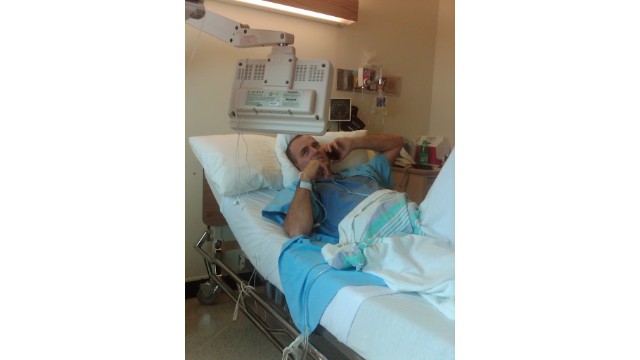
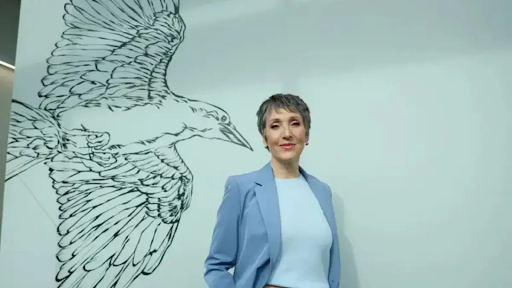
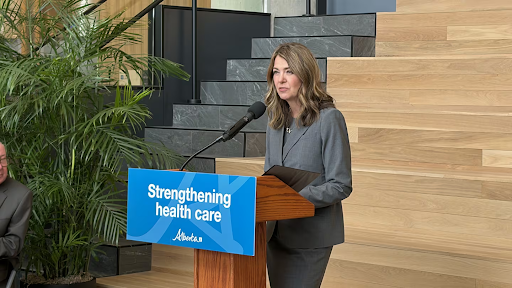
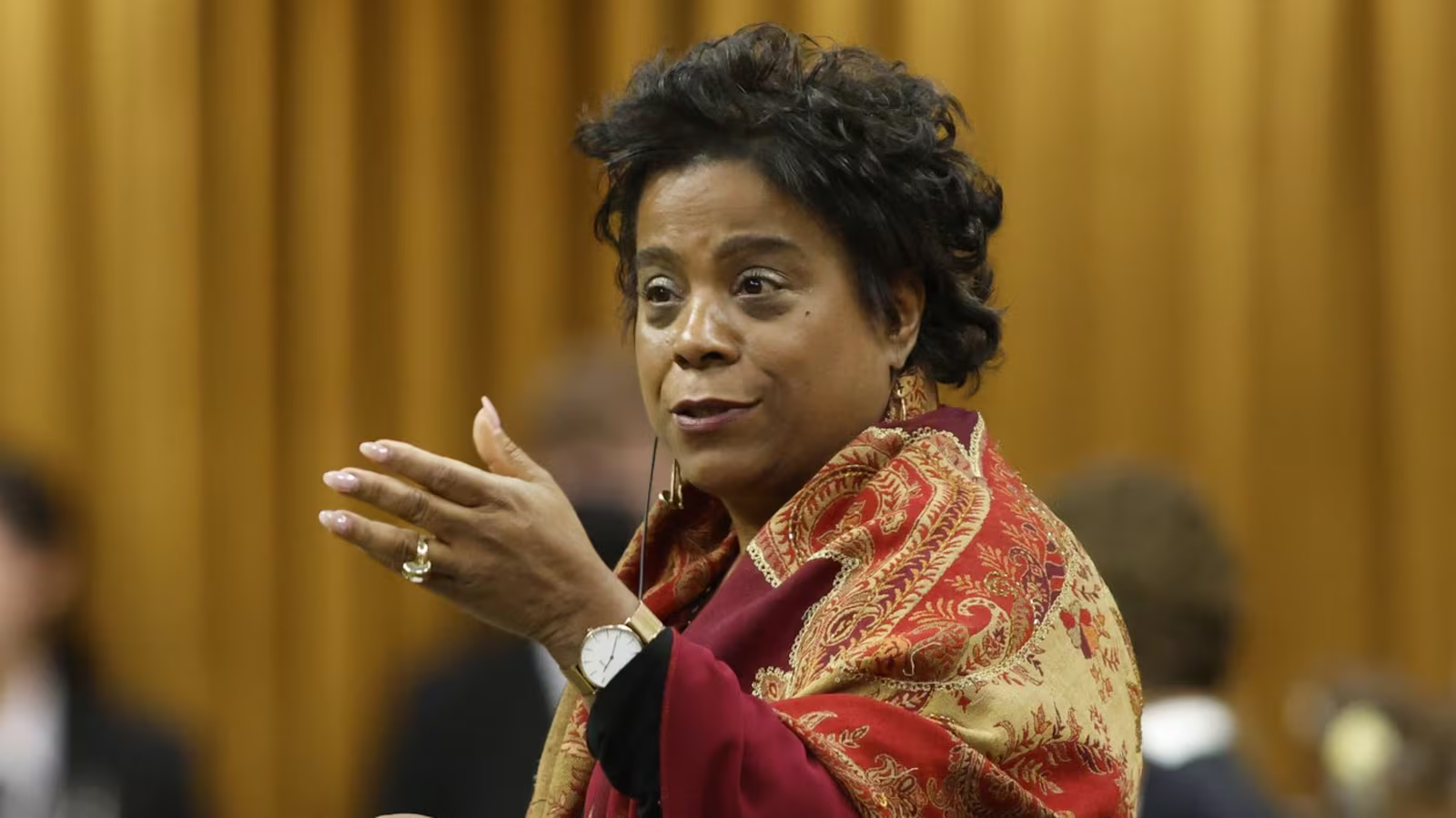
St. John's doctor, Mike Hall, has been a caregiver for his wife who has had long COVID for almost four years. (CBC)
For Mike Hall, life changed dramatically in the summer of 2022. What began as a COVID-19 infection for his wife slowly turned into a long and uncertain health battle—one that continues to shape their everyday routine.
“She just never recovered,” Hall said quietly, reflecting on the last few years. Since the infection, he has effectively become his wife’s full-time caregiver.
Hall’s wife is living with COVID, a condition in which symptoms linger for months after the initial infection with COVID‑19. For some people, the illness doesn’t fade away—it transforms into a chronic struggle affecting both physical and mental health.
When Recovery Never Fully Comes
Hall says the symptoms his wife experiences go far beyond the fatigue most people associate with illness. She regularly deals with extreme exhaustion, persistent brain fog and stomach inflammation.
Some days, even simple tasks feel overwhelming.
“There are days when it’s difficult for her to get out of bed,” he explained. “Even figuring out something simple like preparing dinner can be confusing or exhausting.”
The couple’s lifestyle has changed significantly as a result. Activities they once enjoyed—traveling together or dining out—are now rare. His wife must follow a strict diet, and energy levels often fluctuate unpredictably.
For Hall, each day brings a mixture of hope and uncertainty.
“You keep hoping tomorrow will be better,” he said. “But you never really know what the next day will bring.”
A Growing Health Concern
March 15 is observed globally as International Long COVID Awareness Day, a time meant to highlight the challenges faced by people living with persistent post-COVID symptoms.
The scale of the issue is becoming increasingly clear. Data from Statistics Canada shows that many Canadians continue to experience lingering symptoms after infection.
In Newfoundland and Labrador, for instance, 18.3 percent of adults reported long-term symptoms after contracting COVID-19 between early 2020 and mid-2022. A national survey later suggested that roughly one in five Canadian adults has experienced ongoing symptoms following infection.
These numbers highlight how the pandemic’s health impact continues long after the acute illness has passed.
Patients Who Once Led Active Lives
In Newfoundland and Labrador, one physician is working closely with patients who face these lingering effects.
Dr. Iram Anees, a specialist in complex chronic diseases, is believed to be the province’s only doctor focusing specifically on long COVID cases.
She says many of her patients were once highly active individuals.
“I have people who used to hike 16 kilometres on Signal Hill,” she said. “Now some of them struggle to walk on level ground without becoming short of breath.”
What makes COVID particularly challenging is its unpredictability. Symptoms vary widely from person to person, making treatment complex.
Dr. Iram Anees is Newfoundland and Labrador's only doctor that specializes in treating long COVID. (CBC)
Searching for Treatment Options
Researchers around the world are still studying COVID to better understand its causes and develop effective therapies.
So far, however, Health Canada has not approved any medications specifically designed to treat the condition.
Doctors like Anees therefore focus on managing symptoms rather than curing the illness itself. In many cases, treatments used for other chronic conditions are adapted to help patients cope with fatigue, breathing problems or neurological symptoms.
“We borrow treatments from other diseases,” she explained. “But every patient is different. There isn’t a single solution that works for everyone.”
Recognition and Awareness Still Needed
COVID is officially recognized as a disability in Canada, which means patients may qualify for certain disability benefits. Yet Anees believes that awareness and understanding of the condition still need to improve.
Some patients, she says, struggle to have their symptoms taken seriously.
“We need to stop dismissing these experiences,” she said. “These individuals are genuinely unwell.”
She also emphasized that preventive measures against COVID-19 infection remain important, as new cases continue to emerge.
Despite the perception that the pandemic has faded, Anees warns the reality is more complicated.
“COVID,” she said, “is unfortunately not over.”
For families like the Halls, the impact of the virus continues to unfold—quietly, day by day, in ways many people may never see.