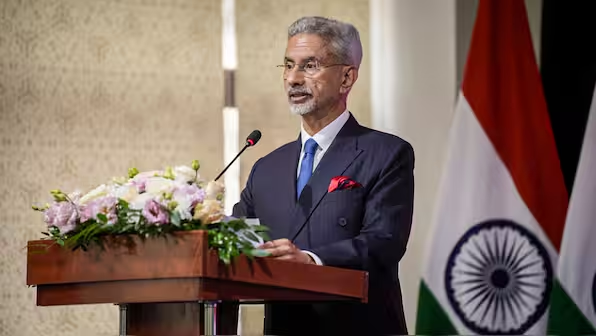
External Affairs Minister S Jaishankar said the talks with Iran are “already yielding some results", adding that New Delhi believes it is more productive to “reason and coordinate” with Iran rather than avoid engagement. (Photo: X/S Jaishankar)
India has denied having a special arrangement with Iran allowing its ships to pass freely through the Strait of Hormuz, after U.S. officials suggested that such a deal might exist.
S. Jaishankar, India’s External Affairs Minister, said recent voyages by Indian vessels through the strategic waterway were handled individually through diplomatic coordination rather than a broader agreement with Iran.
“Every ship movement is an individual happening,” Jaishankar said in an interview, rejecting the idea of a blanket understanding between India and Tehran.
His comments came after Chris Wright, the U.S. energy secretary, suggested that Iranian authorities may have reached a deal with India to allow its ships to move through the strait without interference.
Jaishankar dismissed that speculation, saying Iran had received “nothing in exchange” for allowing Indian vessels to pass.
Diplomatic Engagement
Tensions around the Strait of Hormuz have intensified in recent weeks amid escalating conflict across the Middle East, raising concerns about global shipping routes and oil supplies.
The narrow waterway is one of the world’s most critical maritime chokepoints, with a large share of global oil shipments passing through it.
Jaishankar said India’s direct communication with Iran had helped create conditions for some vessels to navigate the route safely.
According to him, diplomacy and dialogue remain the most effective way to ensure that shipping through the strait gradually returns to normal.
Protecting Energy Supplies
India relies heavily on crude oil imports from the Gulf region, making the Strait of Hormuz a vital corridor for the country’s energy security.
Any prolonged disruption to tanker traffic could significantly affect fuel supplies and prices.
For now, officials say New Delhi is relying on careful diplomatic engagement with regional stakeholders rather than formal agreements to ensure safe passage for its vessels.
India is expected to continue talks with Iran and other regional players as it seeks to safeguard its shipping routes and energy lifelines while avoiding further escalation in the region.