Iran Gulf strikes spark air raid sirens in Gulf cities as drones and missiles target energy hubs, raising fears of wider war and oil disruption.
Fresh Iranian strikes across the Gulf have heightened concerns about a widening regional conflict, even as global leaders debate how long the war may last. Early Tuesday morning, several Gulf nations reported incoming missiles and drones, underscoring how rapidly the crisis is expanding beyond its initial battlefield.
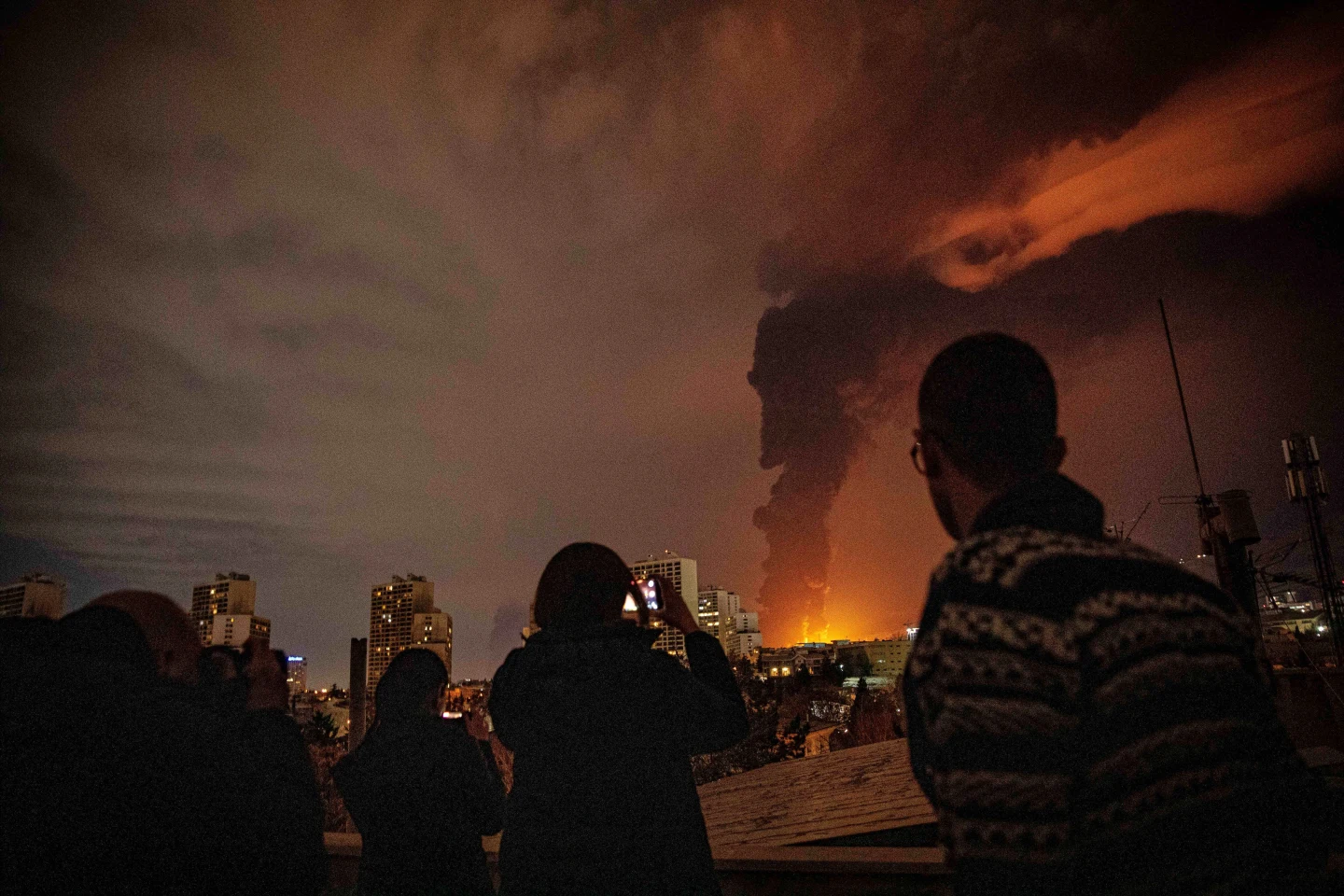
Air raid sirens echoed in cities across the Gulf as Iran launched new attacks targeting strategic locations. The escalation comes amid rising oil prices, shipping disruptions, and mounting fears that the conflict could reshape global energy markets.
Gulf Nations Respond to Missile and Drone Threats
Several Gulf Arab countries reported defensive actions after detecting Iranian missile and drone activity. Sirens were triggered in Dubai in the United Arab Emirates and in Bahrain, alerting residents to potential incoming threats.
Saudi Arabia said its air defenses intercepted two drones over the oil-rich eastern region, an area vital to global energy supply. Meanwhile, Kuwait’s National Guard confirmed it had shot down six drones before they reached their intended targets.
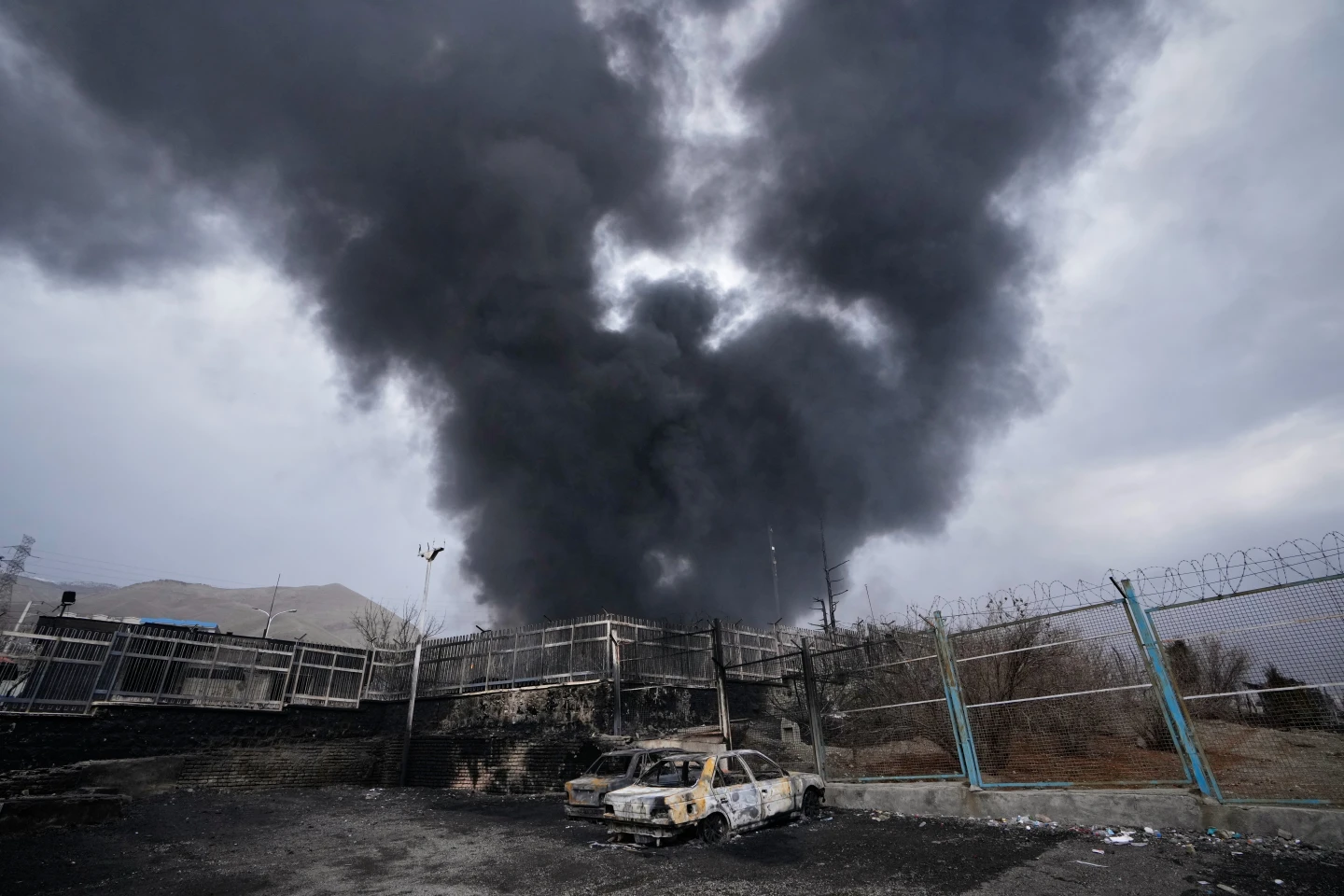
These incidents followed a pattern of Iranian strikes aimed not only at Israel and American military bases but also at energy infrastructure throughout the region. By widening its targets, Tehran appears to be increasing pressure on multiple fronts while testing the defenses of Gulf states.
Oil Markets React to Growing Regional Risk
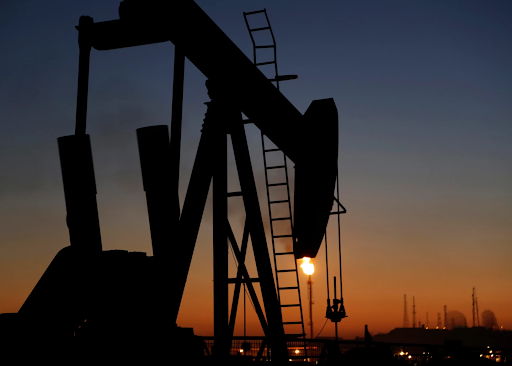
The conflict has also rattled global energy markets, particularly because of Iran’s influence over the Strait of Hormuz. This narrow maritime corridor connects the Persian Gulf with the Gulf of Oman and carries roughly one-fifth of the world’s oil supply.
Concerns about disruptions in the strait quickly pushed oil prices higher. Brent crude surged to nearly $120 per barrel on Monday before easing slightly. Even after the drop, prices hovered around $90 per barrel on Tuesday, representing a sharp increase since the war began on February 28.
Iran has effectively halted many tankers from using the strategic waterway. At the same time, attacks on merchant vessels near the strait have reportedly killed at least seven sailors, according to maritime authorities. The disruptions have amplified fears that the conflict could trigger prolonged volatility in global energy markets.
Conflicting Signals From Washington and Tehran
As tensions escalate, leaders in Washington and Tehran are sending sharply different messages about the potential duration of the war.
U.S. President Donald Trump attempted to reassure markets and allies by suggesting the conflict would not last long. Speaking on Tuesday, he described the war as likely to remain a “short-term excursion,” even though he had previously warned it might continue for a month or more.
Trump also issued a stern warning regarding oil shipments through the Strait of Hormuz. In a social media post, he stated that any Iranian move to block the flow of oil would trigger a response from the United States “twenty times harder” than previous actions.
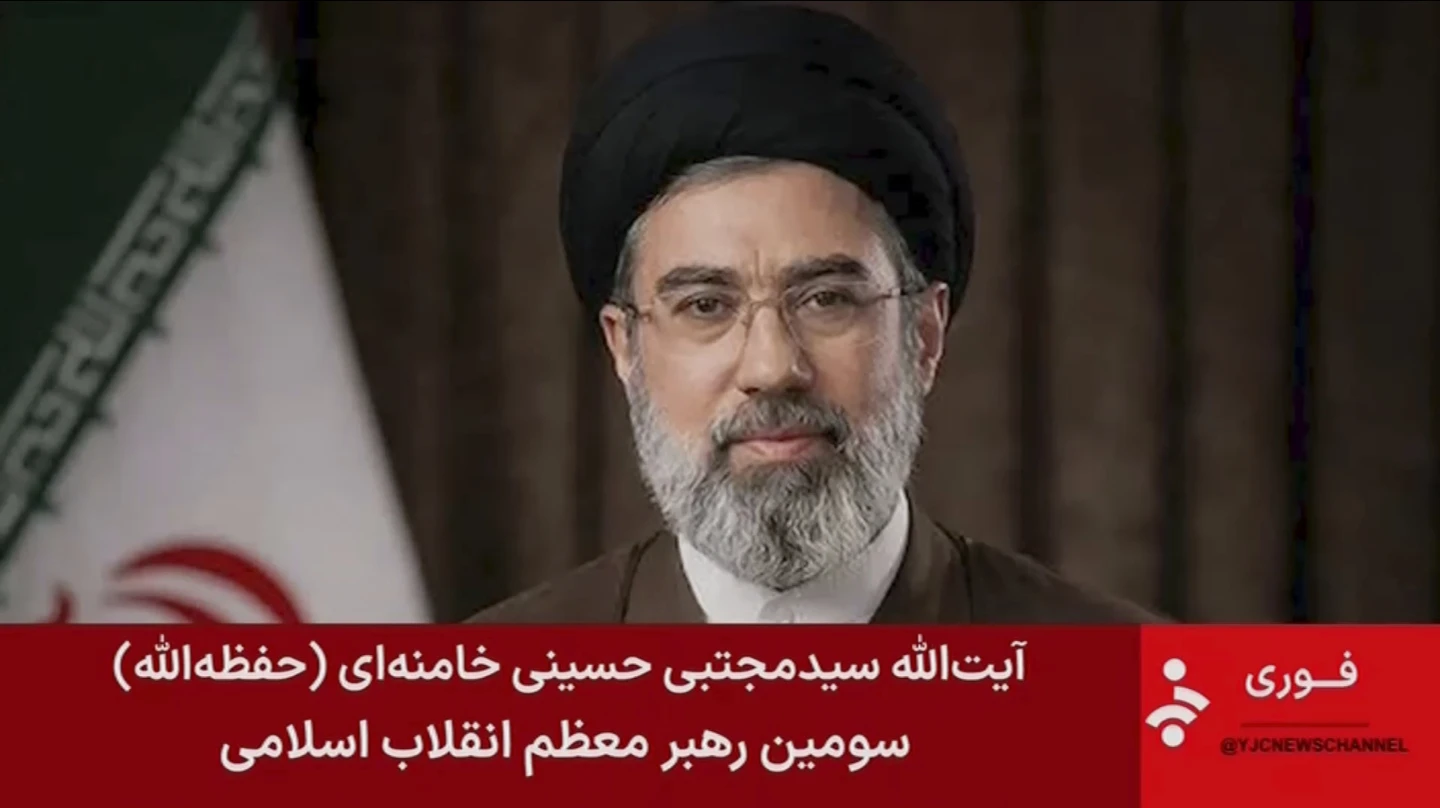
Iranian officials, however, signaled a very different outlook. Ali Mohammad Naini, a spokesperson for Iran’s Revolutionary Guard, said Tehran would ultimately decide when the war ends. Meanwhile, Kamal Kharazi, a senior adviser to Iran’s supreme leader, suggested that diplomacy currently offers little opportunity for resolution unless outside powers intervene.
Fighting Spreads Across the Region
The war’s ripple effects are being felt across multiple countries as allied groups and regional forces become increasingly involved.
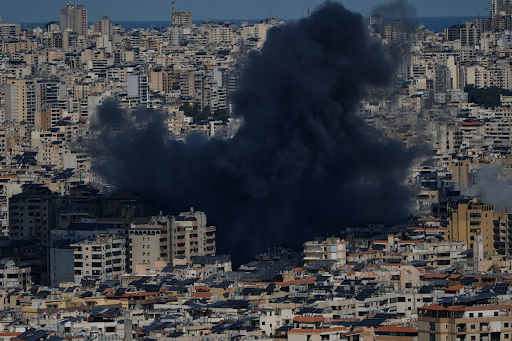
In Lebanon, Israeli forces have launched repeated strikes against Hezbollah positions, prompting retaliatory missile launches toward Israel. Meanwhile, Iran-aligned militias in Iraq have targeted U.S. military bases since the conflict began.
Early Tuesday, an airstrike hit the 40th Brigade of the Popular Mobilization Forces near the northern Iraqi city of Kirkuk. Officials said at least five militants were killed and four others injured, although the source of the strike was not immediately confirmed.
Rising Human Toll and Economic Impact
As the fighting spreads, casualties continue to mount across the region. Officials report that more than 1,230 people have been killed in Iran since the conflict began, while at least 397 deaths have been recorded in Lebanon and 11 in Israel. Seven U.S. service members have also been confirmed dead.
The war has forced civilians to flee major business hubs and seek shelter as strikes hit military bases, government facilities, hotels, and even a school. These disruptions have further strained economies already facing rising fuel costs and supply chain challenges.
Financial markets, which swung sharply in recent days, opened Tuesday in Asia with modest gains as investors searched for signs of stability.
Meanwhile, Saudi energy giant Aramco reported that its profits declined to $104 billion in 2025, compared with $110 billion the previous year. Revenues also slipped to $445 billion, reflecting the broader economic pressures affecting the global energy sector.
As the conflict continues to expand, the coming weeks may determine whether the crisis remains a regional confrontation or evolves into a longer and more disruptive global challenge.