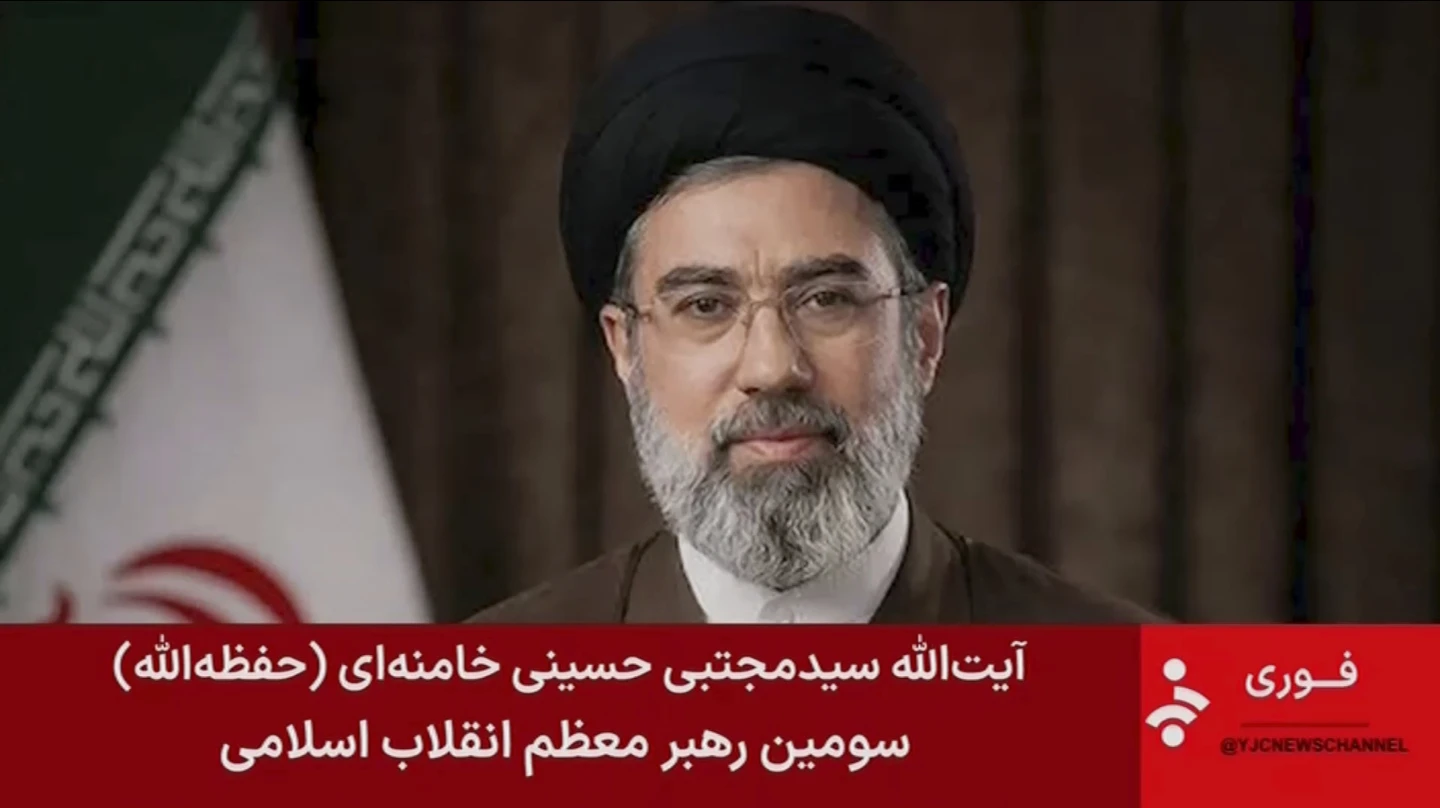
This image taken from video provided by Iran state TV shows Mojtaba Khamenei, a son of Iran’s slain supreme leader, who has been named as the Islamic Republic’s next ruler, authorities announced Monday, March 9, 2026.
Iran has appointed Mojtaba Khamenei, the son of its late supreme leader, as the country’s new ruler during an escalating regional conflict that is already shaking global energy markets. The decision, announced Monday by Iran’s powerful Assembly of Experts, places the secretive cleric at the center of a widening Middle East war that has disrupted oil supplies and heightened geopolitical tensions.
The leadership transition follows the death of Ayatollah Ali Khamenei, who was killed on February 28 during the opening phase of the ongoing conflict involving Iran, Israel, and the United States. As the fighting intensifies, Iran has launched a series of attacks targeting energy infrastructure across the region, fueling fears of broader instability.
Meanwhile, global oil markets have reacted sharply. Brent crude surged above $114 a barrel, marking a dramatic increase of nearly 60 percent since the conflict began.
Assembly of Experts Selects Mojtaba Khamenei
Iran’s Assembly of Experts moved quickly to name Mojtaba Khamenei as the country’s next supreme leader, a role that holds ultimate authority over the government, armed forces, and nuclear policy. The 56-year-old cleric has long been viewed as a potential successor to his father, although he has never held an elected office or formal government position.
Known for his close ties to Iran’s Revolutionary Guard, Mojtaba has maintained a low public profile for years. Since the war began, he had largely remained out of sight, adding to the air of secrecy surrounding his influence within the Iranian political system.
His selection has not been without criticism. Some political figures inside Iran argued that elevating the late leader’s son creates the appearance of hereditary rule, echoing the monarchy that was overthrown during the 1979 Islamic Revolution. Despite those concerns, senior clerics within the Assembly appear to believe he is best positioned to lead the country during wartime.
War Escalates Across the Region
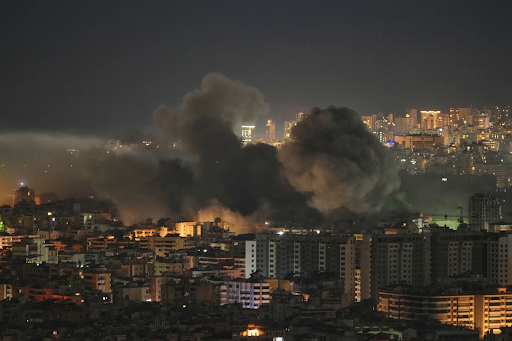
The announcement comes as the conflict between Iran and its regional adversaries continues to intensify. Since the start of hostilities, Iranian forces and allied groups have launched missiles and drones toward Israel and U.S. military bases in the Middle East.
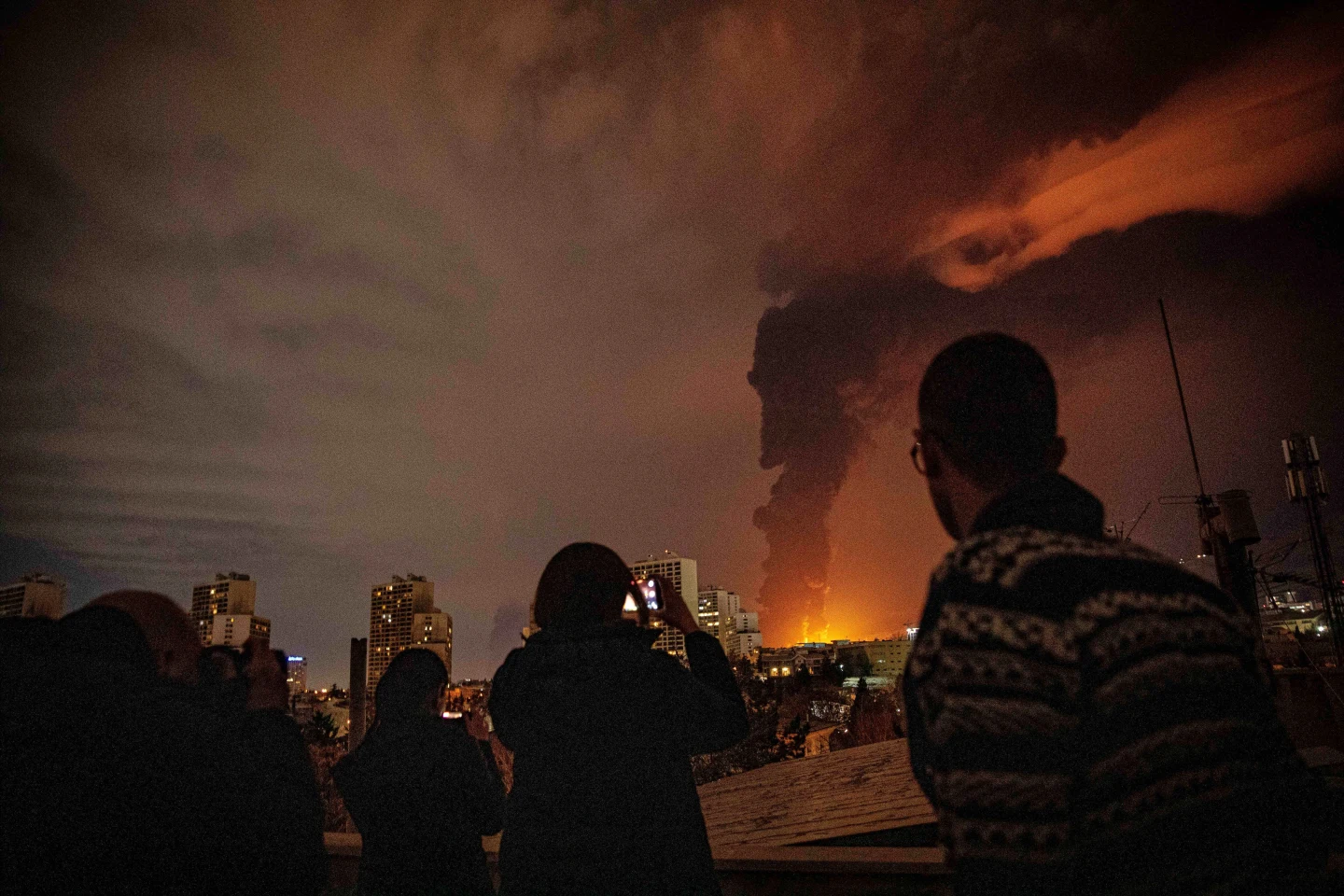
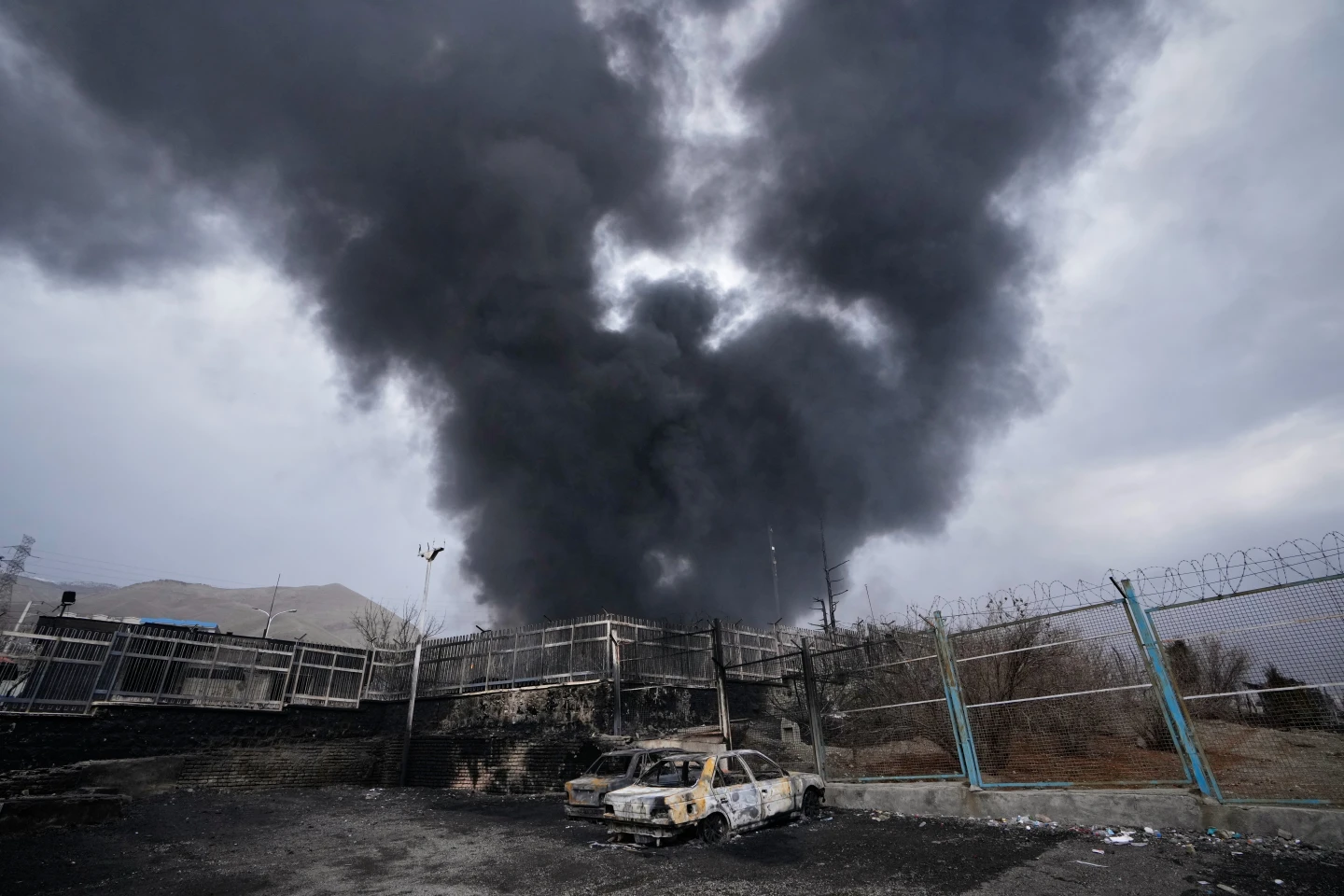
At the same time, attacks on critical infrastructure have increased across several Gulf states. Authorities in the United Arab Emirates reported a fire at an oil facility in Fujairah following a strike, while Saudi Arabia said it intercepted drones aimed at the massive Shaybah oil field.
Elsewhere in the region, Iranian attacks targeted locations in Kuwait, Qatar, and Bahrain. Bahraini officials said a residential neighborhood was struck, injuring 32 people, including several children. The country also accused Iran of damaging one of its desalination plants, though officials said water and electricity services continued operating.
Strait of Hormuz Disruptions Send Oil Prices Soaring
One of the most significant consequences of the conflict has been the disruption of shipping through the Strait of Hormuz. Iran effectively controls access to the narrow waterway, which serves as a vital route for global energy supplies.
With tanker traffic severely restricted, nearly a fifth of the world’s oil shipments has been affected. The supply shock quickly rippled through international markets, driving crude prices sharply higher and raising concerns about the global economic impact.
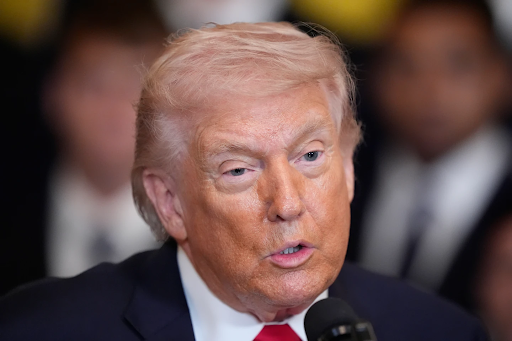
Despite the spike, U.S. President Donald Trump suggested the surge could be temporary, arguing that energy markets would stabilize once the conflict subsides.
A Hard-Line Leader with Nuclear Decisions Ahead
Mojtaba Khamenei now inherits a country deeply entangled in war while facing critical decisions about its nuclear program. Although recent U.S. strikes damaged several key nuclear facilities during earlier fighting, Iran still possesses highly enriched uranium that could potentially be refined into weapons-grade material.
Observers say the new leader may take a more aggressive stance than his father, particularly on nuclear policy and military strategy. Israeli officials have already described him as a potential target, underscoring the fragile and dangerous moment in the region.
Rising Casualties and Diplomatic Evacuations
As fighting spreads, casualties continue to climb across multiple countries. Officials report more than 1,200 deaths in Iran, nearly 400 in Lebanon, and at least 11 in Israel since the conflict began.
The United States has also suffered losses. A service member recently died from injuries sustained during an Iranian attack on troops in Saudi Arabia, bringing the total number of American military deaths to seven.
Amid the escalating violence, the U.S. State Department ordered nonessential personnel and family members to leave Saudi Arabia. Diplomatic missions in Bahrain, Iraq, Jordan, Kuwait, Lebanon, Qatar, and the United Arab Emirates have also reduced staff.
With Mojtaba Khamenei now leading Iran and hostilities still spreading, the region faces an uncertain future that could reshape both Middle Eastern politics and global energy markets.