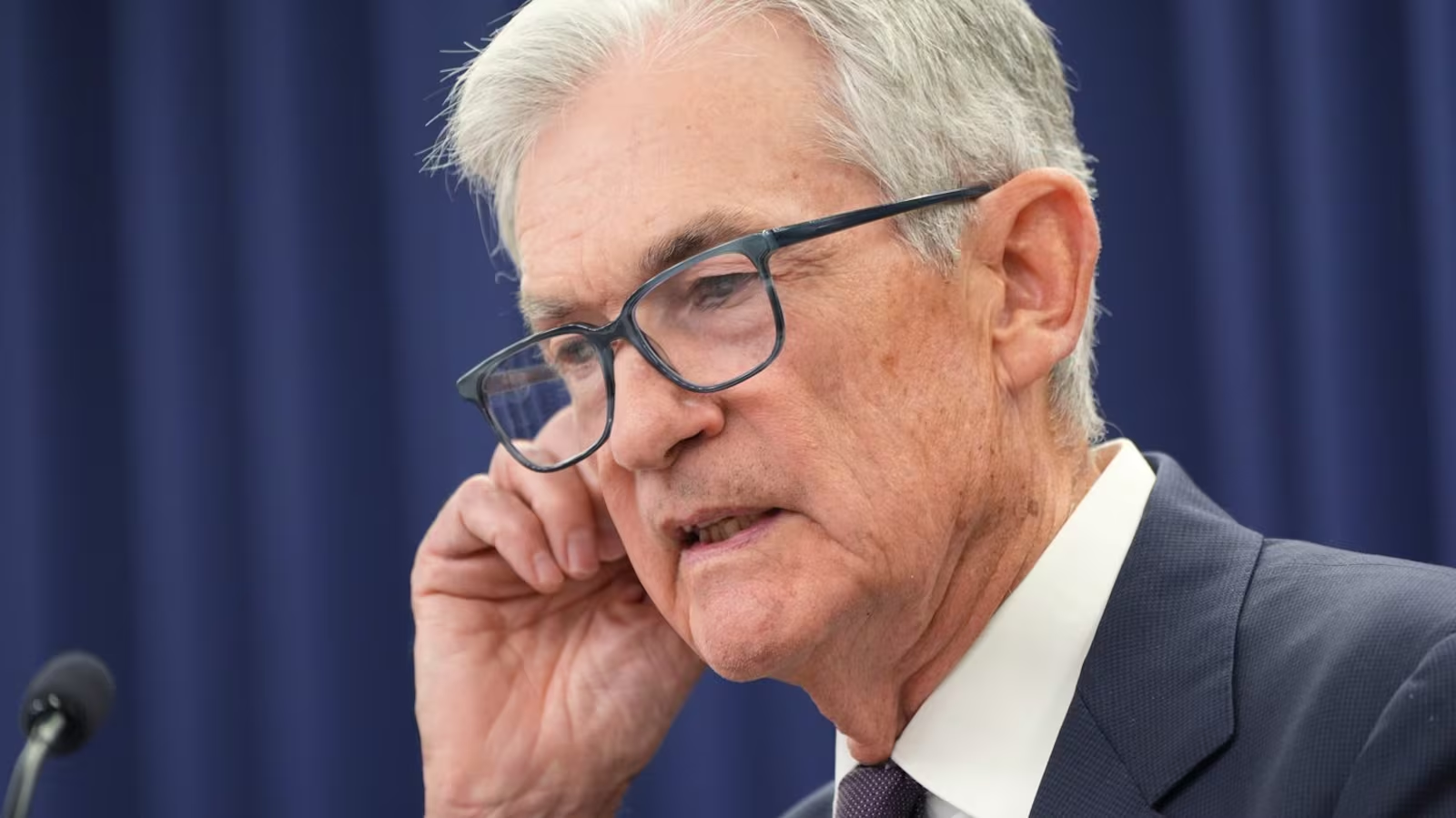
Federal Reserve Chair Jerome Powell speaks during a news conference, Wednesday, Jan. 28, 2026, at the Federal Reserve Board Building in Washington. (AP Photo)
The escalating tensions tied to the Iran war have thrown the U.S. Federal Reserve’s plans into uncertainty, leaving millions of borrowers waiting longer for relief.
At the center of the dilemma is the Federal Reserve, which now faces a difficult balancing act. Rising oil and gas prices are pushing inflation higher, while also threatening to slow economic growth—a combination that complicates any decision on interest rates.
A Tough Call for Policymakers
Typically, when inflation rises, the Fed keeps rates high to control prices. But if economic growth weakens and unemployment rises, the central bank usually cuts rates to stimulate activity.
Right now, both risks are unfolding at once.
That’s why many economists expect the Fed to hold rates steady for now. Any rate cuts that consumers were hoping for—especially those eyeing home or car loans—may now be pushed to later in the year, possibly September or beyond.
Oil Prices Change Everything
The biggest disruptor is the surge in energy prices. Higher fuel costs ripple through the economy, increasing transportation and production expenses, which eventually show up in everyday prices.
This puts pressure on the Fed to stay cautious.
Some economists argue that even one rate cut this year may now be unlikely. Others still believe inflation could cool, allowing limited easing later.
A Divided Fed
Inside the Fed, opinions are split.
Chair Jerome Powell and several policymakers still see a path where inflation gradually returns to the 2% target. But others are more concerned that inflation could remain stubbornly high, especially with the added pressure from global conflict.
This divide makes the upcoming policy decisions even more unpredictable.
Borrowers Feel the Impact
The uncertainty is already hitting consumers.
Mortgage rates have started to climb again, with the average 30-year rate rising to around 6.1%. For homebuyers and those refinancing loans, this means higher monthly payments and fewer affordable options.
In simple terms: cheaper borrowing isn’t coming anytime soon.
Leadership Uncertainty Adds Pressure
Adding another layer of complexity, Powell’s term is nearing its end, and Donald Trump has nominated Kevin Warsh as his replacement.
However, the transition faces delays in the Senate, leaving questions about future leadership at a critical time for the economy.
Why the Fed Is Being Extra Careful
The Fed is also haunted by recent history.
During the pandemic, officials initially described inflation as “temporary.” Instead, it surged to a 40-year high, forcing aggressive rate hikes later.
That misstep has made policymakers more cautious today.
What Happens Next?
For now, the Fed’s most likely move is to wait and watch.
If inflation stays high, rate cuts could be delayed further—or even scrapped this year. If the economy weakens sharply, cuts could still happen, but later than expected.
Either way, one thing is clear: the path to lower interest rates just got a lot more complicated.