Oil Price Surge follows Iran’s attacks on Gulf shipping routes, disrupting trade and raising global energy market concerns worldwide.
Oil prices surged past $100 a barrel on Thursday as Iran intensified attacks on shipping routes and energy infrastructure across the Middle East. The escalating confrontation with the United States and Israel has disrupted vital trade routes, rattled global markets, and deepened fears that the conflict could spread further across the region.
The renewed strikes targeted vessels, oil facilities, and strategic infrastructure throughout the Persian Gulf. As a result, shipping traffic slowed dramatically and energy markets reacted quickly, driving the international benchmark Brent crude sharply higher. Analysts warn that continued instability around key oil routes could trigger prolonged volatility in global energy prices.
Regional Shipping and Energy Infrastructure Under Fire
Iran’s latest wave of attacks focused heavily on commercial shipping and oil facilities across the Gulf region. A container ship sailing near Dubai was struck by a projectile, causing a small fire on board. The vessel’s crew managed to remain safe while authorities monitored the situation closely.
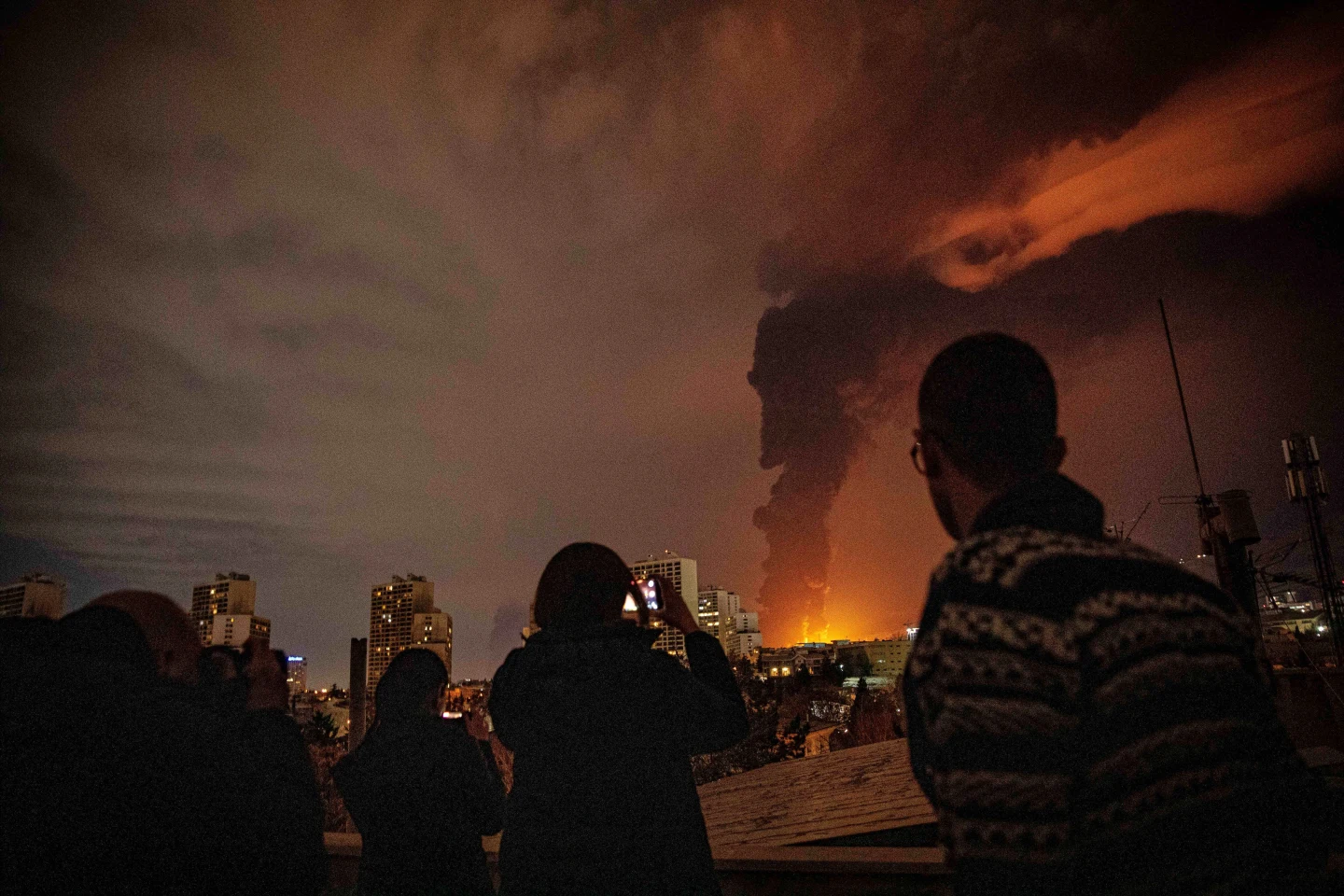
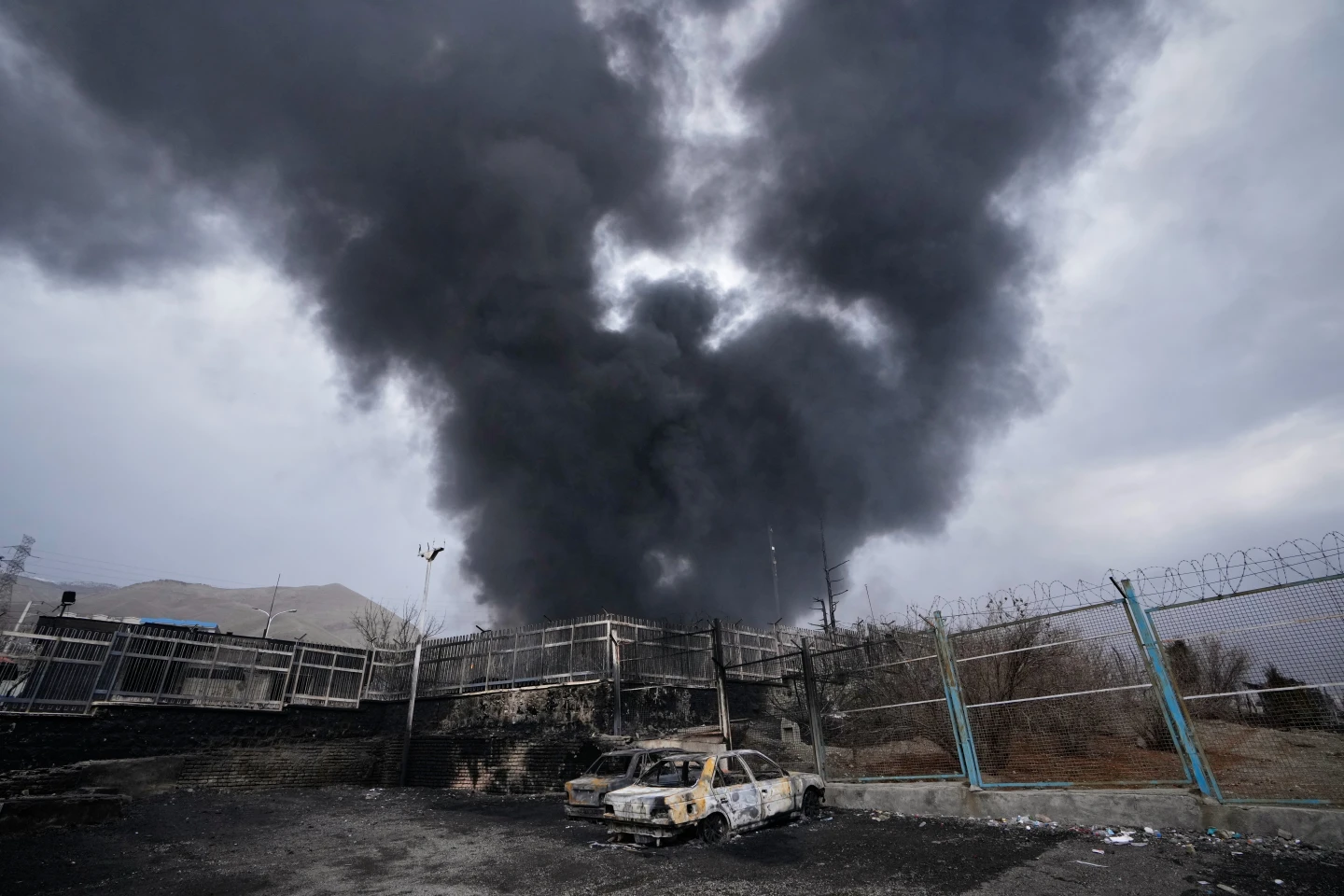
At the same time, a blaze erupted on Muharraq Island in Bahrain after an Iranian strike targeted an area near the country’s international airport. The location houses jet fuel storage tanks and other facilities linked to Bahrain’s oil industry, raising concerns about potential damage to energy supplies.
Other Gulf nations also reported attacks. Kuwait said an Iranian drone crashed into a residential building, injuring two people, while the United Arab Emirates activated air defense systems to intercept aerial threats approaching Dubai. Firefighters later extinguished a fire in Dubai Creek Harbor after a drone strike hit a tower in the district.
Saudi Arabia confirmed it had intercepted several drones aimed at strategic locations, including one targeting the diplomatic quarter in Riyadh. Authorities also reported shooting down drones attempting to strike oil infrastructure in the country’s eastern region, including the important Shaybah oil field.
Strait of Hormuz Disruption Drives Oil Price Spike
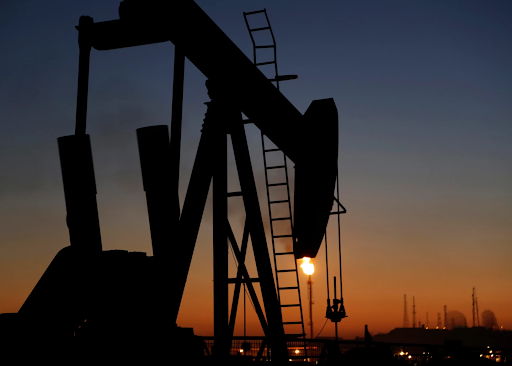
The broader economic impact stems largely from disruptions around the Strait of Hormuz, one of the world’s most critical oil transit routes. Nearly one-fifth of the global oil supply normally passes through the narrow waterway connecting the Persian Gulf to the Indian Ocean.
With shipping traffic effectively stalled amid security fears, oil markets reacted immediately. Brent crude climbed roughly 9 percent in a single day, pushing prices above $100 per barrel. Since the conflict began, oil prices have surged nearly 38 percent, highlighting how geopolitical tensions can quickly ripple through global energy markets.
Energy analysts note that any prolonged disruption in the strait could place additional pressure on fuel prices worldwide, particularly in countries heavily dependent on Middle Eastern oil exports.
U.N. Resolution Ignored as Attacks Continue
The latest developments unfolded despite a United Nations Security Council resolution passed a day earlier calling on Iran to halt its strikes against Gulf neighbors. Tehran, however, appeared to disregard the demand and continued its military operations across the region.
Meanwhile, Iran also targeted Iraq’s key port city of Basra earlier in the week. Following the attack, Iraqi officials suspended operations at all oil terminals along the country’s southern coast. Authorities said a vessel involved in ship-to-ship oil transfers was among the targets in the strike.
Israel and Iran Exchange Strikes Overnight
As tensions mounted, the conflict expanded into direct military exchanges between Israel and Iran. Sirens sounded across Jerusalem shortly after midnight as Israeli defense systems attempted to intercept missiles launched from Iranian territory.
Israel responded with what it described as a “wide-scale wave of strikes” targeting locations in Tehran. Explosions were reported in several areas of the Iranian capital, while security checkpoints reportedly came under drone attack.
The violence also spilled into Lebanon, where Israel says it is targeting Iran-backed Hezbollah militants. Israeli strikes in Beirut and nearby towns killed at least 11 people and wounded dozens, according to Lebanon’s Health Ministry.
Rising Human Cost of the Expanding Conflict
As the confrontation intensifies, the humanitarian toll continues to grow. Lebanese authorities say more than 630 people have been killed since the latest round of fighting began, while hundreds of thousands have been displaced from their homes.
Iran has reported more than 1,300 deaths during the conflict, while Israel has confirmed at least a dozen fatalities. The United States has also suffered losses, with several soldiers killed and others seriously injured.
With both sides showing little willingness to de-escalate, the war is increasingly shaping global energy markets and regional stability. Unless diplomatic efforts gain momentum soon, analysts warn that disruptions to shipping and oil supplies could continue pushing energy prices higher in the weeks ahead.