Advocates in P.E.I. warn of the impact Alberta’s Bill 11, which would allow doctors to practice publicly and privately, would have across Canada.
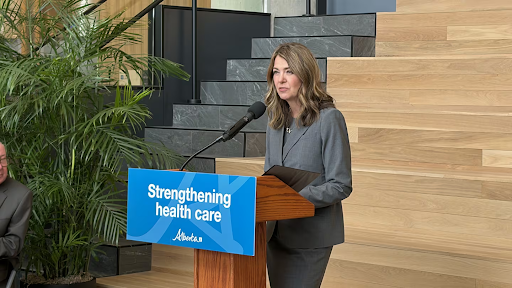
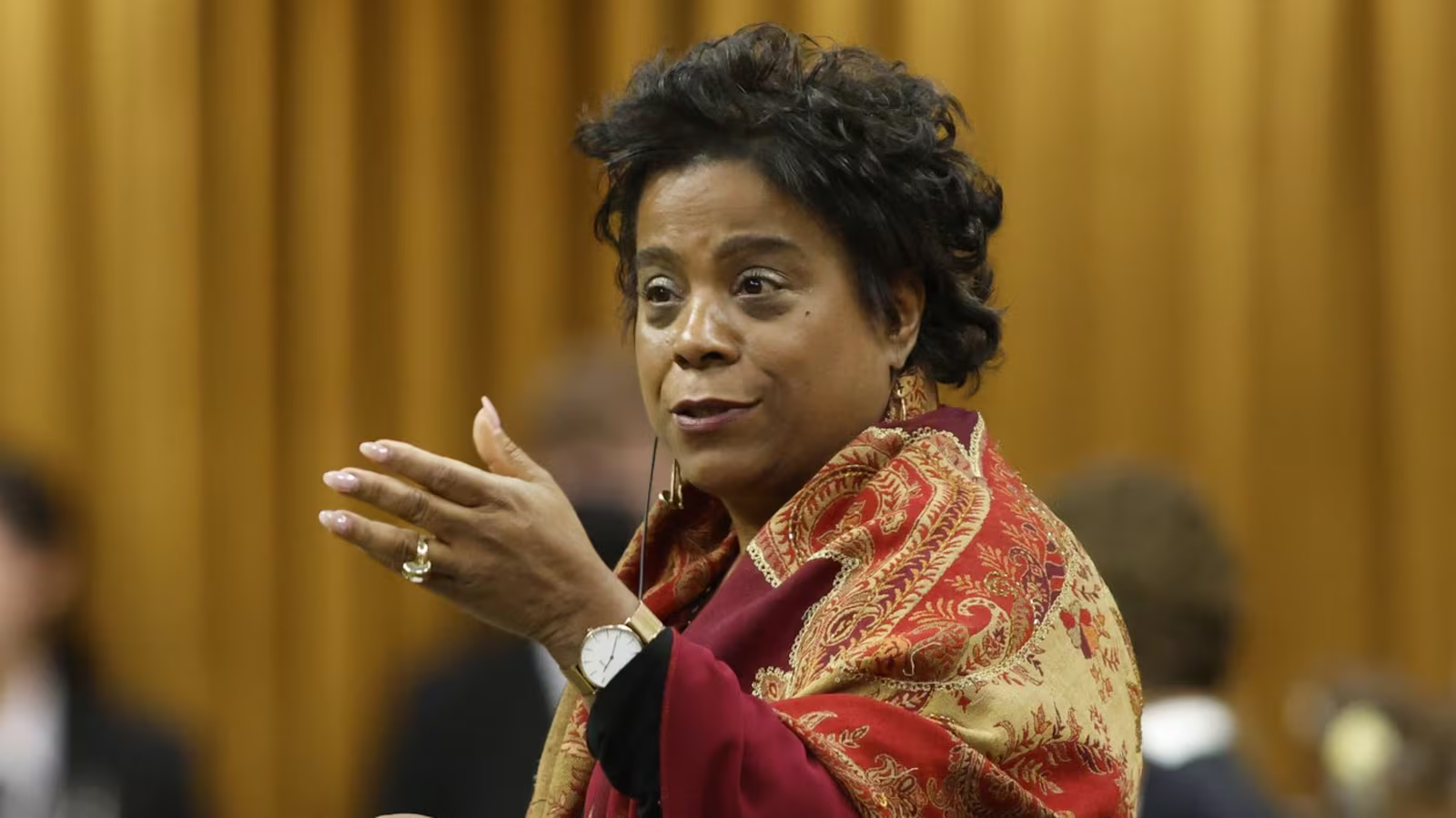
Health advocates in Prince Edward Island are urging federal action against Alberta’s Bill 11, warning the controversial legislation could reshape Canada’s public healthcare system far beyond Alberta.
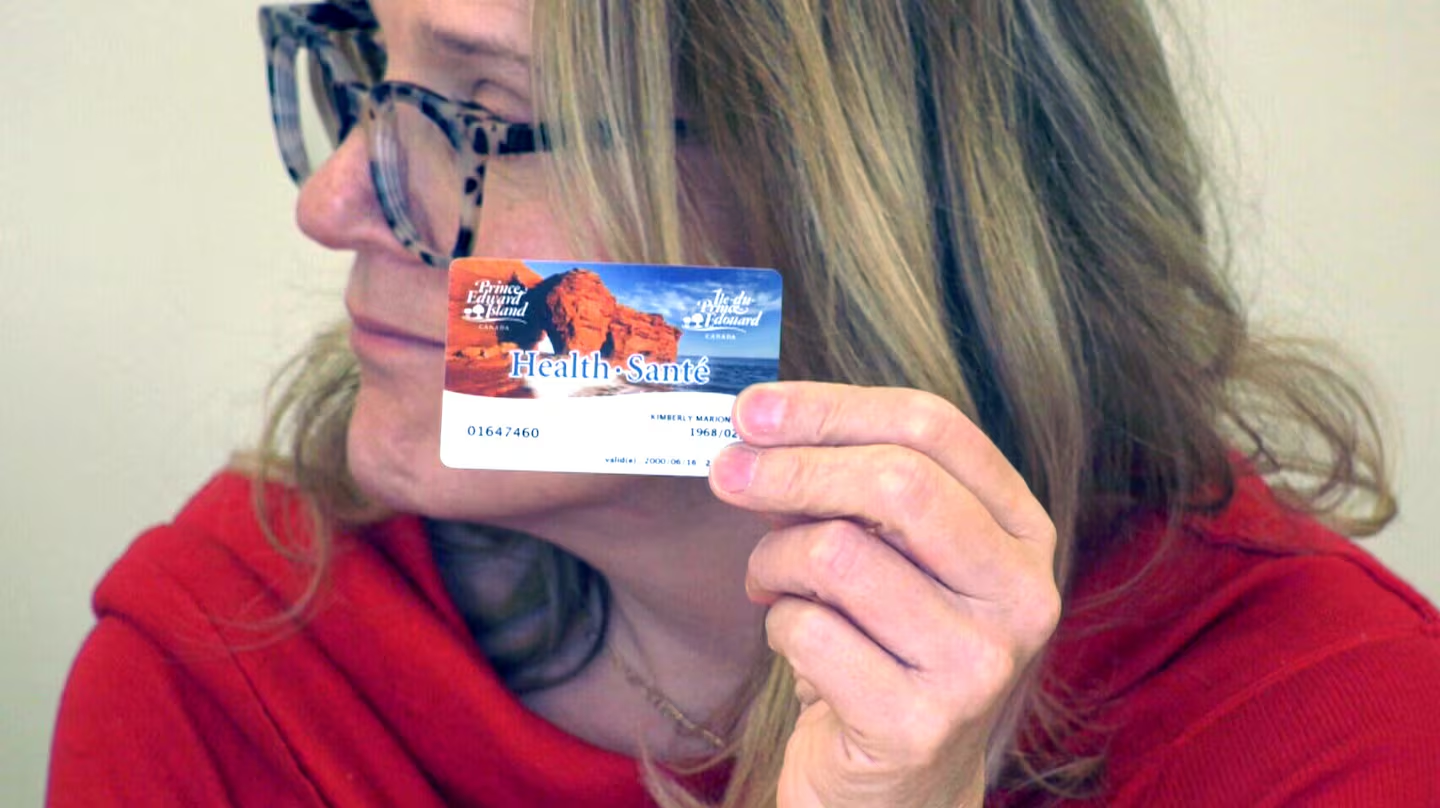
At a press conference in Charlottetown, members of the Canada Health Coalition held up their provincial health cards, sending a symbolic message: universal healthcare must be protected.
What’s Causing the Concern?
Bill 11 introduces a “dual-practice” model, allowing doctors to work in both public and private systems simultaneously.
Supporters say this could improve flexibility and even reduce wait times. But critics fear it may pull healthcare professionals away from the already strained public system—especially in smaller provinces like P.E.I.
Fear of Losing Doctors
Mary Boyd, a leading voice in the local coalition, highlighted a growing concern: retention.
If provinces like Alberta offer better pay or working conditions, doctors may leave smaller regions behind. For P.E.I., where healthcare resources are already stretched, that could mean longer wait times and reduced access for patients.
The concern isn’t just theoretical—it’s practical and immediate.
Nurses Echo the Warning
The Prince Edward Island Nurses’ Union also weighed in, pointing to international research. In countries like the U.K. and Ireland, dual practice has often made private-sector work more attractive due to higher earnings.
Their message is simple: healthcare workers cannot split themselves between two systems without consequences.
Supporters See Opportunity
Not everyone agrees with the criticism.
Economist Emmanuelle Faubert argues that dual practice could actually strengthen the system if implemented correctly. In several OECD countries, similar models exist alongside strong public healthcare.
She points out that in some cases, doctors working in both systems don’t reduce their public hours—instead, they add private work on top.
The key, she says, lies in proper safeguards.
The Need for Guardrails
Experts suggest that strict regulations are essential to make dual practice work.
Countries like Germany require physicians to dedicate a minimum number of hours to public patients. Similar measures, along with clear conflict-of-interest rules, could help protect Canada’s public system.
Even the Alberta Medical Association has emphasized the need for strong safeguards.
Bigger Questions About Canada’s Healthcare Future
For many in P.E.I., the issue goes beyond one bill.
Some fear it could set a precedent for a two-tier system, similar to the U.S., where access often depends on ability to pay. Critics argue that Canada’s single-payer model remains more efficient and equitable.
Ottawa’s Response
The Health Canada says it is monitoring the situation closely and engaging with Alberta officials.
While no direct intervention has been announced, the federal government has reiterated its commitment to protecting the Canada Health Act and the country’s universal healthcare system.
What Happens Next?
As debate intensifies, one thing is clear: Bill 11 has sparked a national conversation.
Whether it becomes a model for reform or a cautionary tale will depend on how it unfolds—and how strongly both provinces and Ottawa respond.