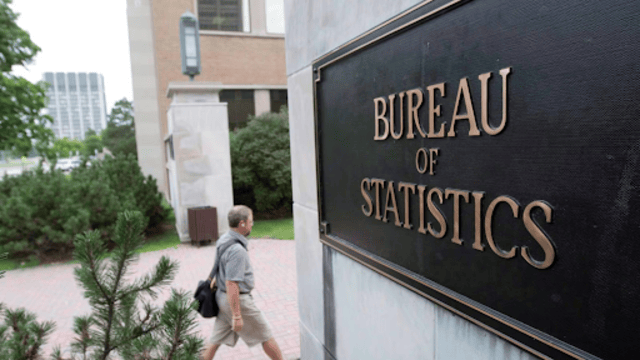
A worker walks toward the Statistics Canada building in Ottawa on July 21, 2010. (File photo: The Canadian Press)
The 2026 Canadian census will include a question about sexual orientation for the first time. Statistics Canada confirmed this change on Wednesday. The agency said the goal is to gather better demographic data about LGBTQ2S+ Canadians across the country.
Why the Change Was Made
For over 20 years, the agency has studied sexuality through smaller health and social surveys. But officials say these surveys didn’t give a full picture. Now, by adding this question to the main census, they hope to get clearer, more detailed information.
Input from Community Groups
In a 2023 report, Statistics Canada said many community organizations were asking for more accurate data on gender and sexuality. These groups said current surveys, even from governments or universities, didn’t go deep enough. They believed the census needed to reflect the full diversity of Canadians.
Who Will Be Asked
Only Canadians aged 15 and older will see the new question. Statistics Canada says this will help them focus on collecting data from people who can best describe their identity. Responding to the question is optional, like many others in the census, and all answers will remain private.
Why This Matters
Experts believe this change is an important step forward. With better data, governments and organizations can build more helpful programs and services. This includes improvements in health care, housing, and community support for LGBTQ2S+ people.
A Step Toward Inclusion
Community leaders say this move shows LGBTQ2S+ Canadians are finally being counted in a meaningful way. The 2026 census could offer new insights into how many people identify as part of these communities and what their experiences look like across different regions.
What Comes Next
The national census happens every five years and collects many types of information. It covers topics like age, income, family size, and education. Adding a sexual orientation question means future planning decisions can include data that reflects more of Canada’s diversity.