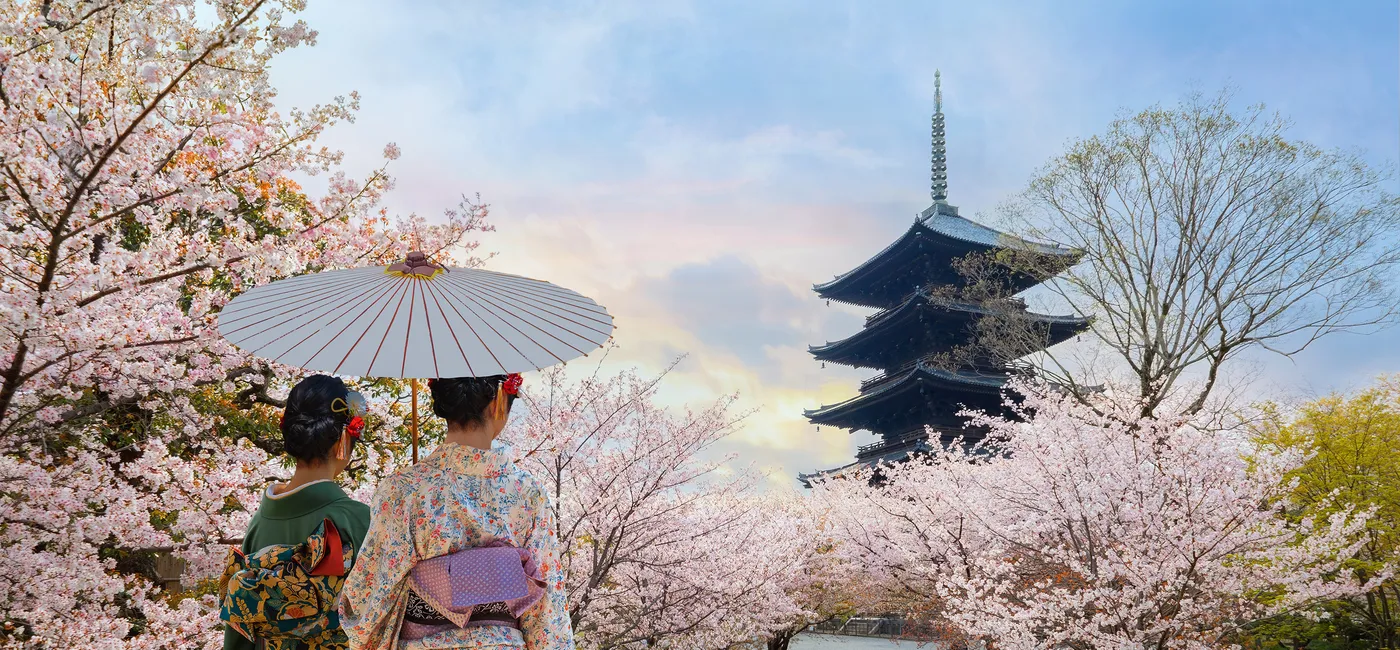
Visitors gather at Toji Temple in Kyoto as cherry blossoms bloom across the historic grounds, marking the height of sakura season in Japan. Travel Pulse Canada
Cities and attractions across Japan have begun introducing new measures to manage growing tourist numbers. Officials say record-breaking visitor levels have placed pressure on historic sites and local communities.
Mount Fuji, one of the country’s most visited landmarks, now requires an added entry fee for climbers. In another move, a long-running cherry blossom festival was cancelled after concerns that large crowds would disrupt daily life for residents.
Local leaders say these steps aim to protect cultural heritage and reduce behaviour that sometimes causes damage or disturbance.
Kyoto Increases Overnight Stay Tax
Kyoto, known for its temples and spring cherry blossoms, has raised its lodging tax for visitors. The change now applies to overnight stays and affects travellers during peak seasons, including the popular blossom period.
The city has introduced a five-tier tax system based on the cost of accommodation. Guests staying in high-end hotels and paying 100,000 yen or more per night must now pay 10,000 yen in tax per person, per night. That equals about USD $64.
Travellers staying in more affordable lodging face a much smaller increase. Those paying less than 6,000 yen per night will pay 200 yen per night, or just under $1.30.
City officials estimate the revised tax will more than double lodging tax revenue this year, bringing in roughly 13.2 billion yen. Authorities plan to use the added funds to restore historic sites and support tourism management efforts.
Himeji Castle Fees Also Rise
Himeji, home to the famous UNESCO World Heritage Site Himeji Castle, has also adjusted its pricing. Non-resident adult visitors will now pay 2,500 yen for entry, up from 1,000 yen. The new rate equals just under $16.
City officials say the increase will help cover maintenance and preservation costs for the centuries-old castle, which draws large crowds each year.
Managing the Impact of Overtourism
Overtourism has become a growing concern in several popular Japanese destinations. Large visitor numbers can strain infrastructure, increase waste, and disrupt local neighbourhoods.
City-wide lodging taxes and higher attraction fees represent two strategies many destinations use to manage tourism pressure. Leaders hope the changes will encourage responsible travel while generating funds to maintain cultural landmarks.
Some international tourism organizations have expressed concerns about rising local travel fees in other countries. They warn that separate city-based taxes could discourage travel and affect job growth.
Japan’s local governments, however, say they must balance tourism growth with the protection of their communities and heritage.
As visitor numbers remain strong, travellers planning trips to Japan should prepare for added costs at certain destinations. City leaders believe these measures will help preserve the very experiences that attract millions of visitors each year.