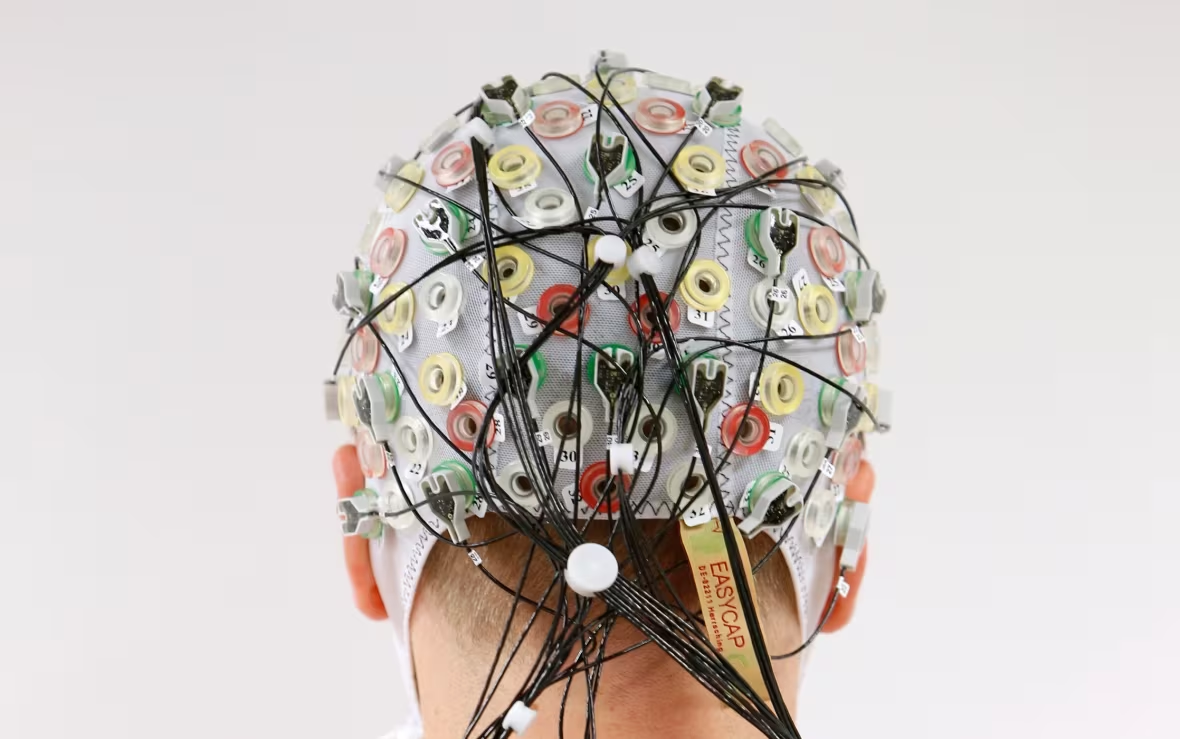
Test person Niklas Thiel poses with an electroencephalography (EEG) cap which measures brain activity, at the Technische Universitaet Muenchen (TUM) in Garching near Munich in September 2014. (Reuters)
In British Columbia, a growing number of mental health professionals are finding success in treating patients using neurofeedback. A method that involves harnessing patients' brain waves.
This approach has been a subject of controversy among scholars for several decades, but some practitioners argue that it works for certain disorders, even though there's disagreement about the exact mechanisms at play. Neuroscientist Randy McIntosh from Simon Fraser University notes that, like any mental health treatment, it may not be universally effective, but it could work for some individuals.
Neurofeedback, often referred to as "brain training," aims to enhance cognitive flexibility by helping healthy brains shift between different states of mind appropriately.
Psychologist Susan Brock emphasizes that conditions like post-traumatic stress disorder (PTSD) can keep individuals in a constant state of over-arousal, leading to cognitive functioning loss.
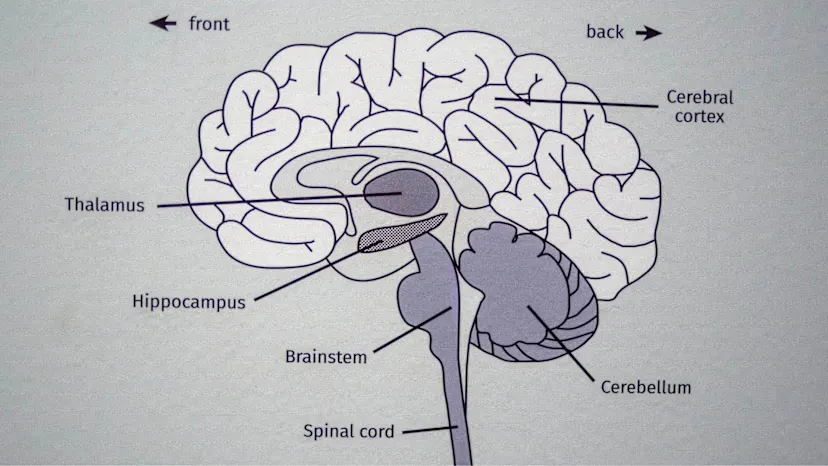
Electroencephalography (EEG)-guided neurofeedback is offered by private psychiatrists and psychologists across B.C., involving the use of electrodes to scan a patient's brain's electrical activity and create a computer brain map.
During neurofeedback sessions, patients watch a video, and if their brainwaves align with a healthy brain map, the video becomes brighter and more audible, acting as a reward to encourage healthier mental states.
The approach is gaining popularity among people with various mental health conditions, including ADHD, anxiety, and PTSD. Practitioners report seeing positive responses, especially in cases where traditional therapies may not have produced the desired outcomes. Neurofeedback is considered a subconscious training method that operates on a level patients might not be consciously aware of.
While some researchers argue about the efficacy of neurofeedback, certain peer-reviewed studies suggest it could be beneficial for conditions such as ADHD, anxiety disorders, and traumatic brain injuries. However, more rigorous and larger scientific studies are needed to establish conclusive evidence of its effectiveness. Frontline clinicians, on the other hand, emphasize the observable clinical improvements in patients' experiences. Psychiatrist Dr. Kourosh Edalati, who founded Elumind Centres For Brain Excellence, sees positive responses to an integrated model that combines neurofeedback with conventional psychotherapy and medications.
Despite ongoing debates about the "how" of neurofeedback's effectiveness, practitioners find that, combined with other treatments, it helps individuals achieve positive outcomes and overcome mental health challenges. The approach is seen as a potential tool in mental health treatment, allowing some people to navigate and overcome their struggles by unlocking the brain's ability to reorient and establish healthier patterns.