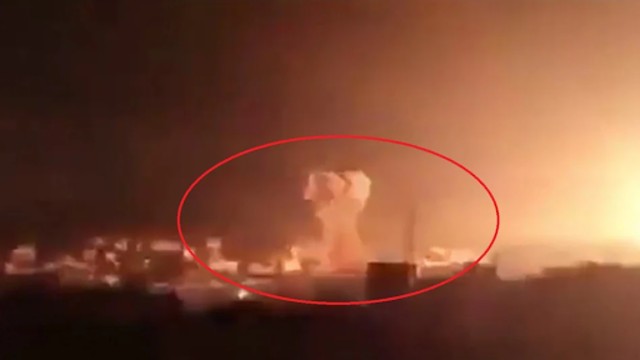
Visuals of Indian Airstrike on Pakistan. Youtube
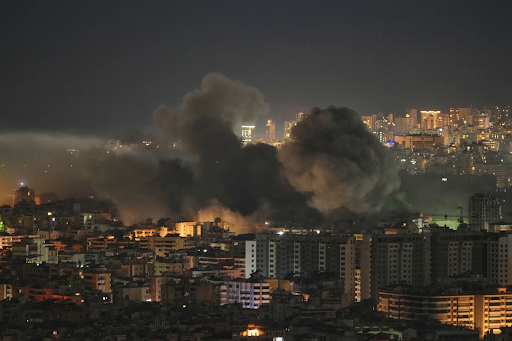
India has launched Operation Sindoor, targeting nine locations in Pakistan and Pakistan-administered Kashmir. The offensive marks the most intense military confrontation between the two nuclear powers in over 20 years. The airstrikes were followed by heavy retaliation from Pakistan, sparking fears of a wider, more devastating conflict.
Operation Sindoor Targets Terror Sites in Pakistan
India stated that its military struck sites used to plan cross-border terrorism. These included areas in Pakistan’s Punjab province and Pakistan-administered Kashmir. Among the hit locations were the cities of Muzaffarabad and Kotli.
The Indian government described its actions as “focused, measured and non-escalatory.” Officials stressed that no Pakistani military installations were targeted. The aim, they said, was to disrupt terrorist infrastructure alone.
Pakistan, however, called the strike an “act of war.” According to their reports, 26 people were killed and 46 injured in the Indian strikes. The Pakistani military claimed that two mosques were among the damaged structures.

An army soldier stands guard on the rooftop of a mosque building damaged by an Indian missile attack near Muzaffarabad [AP Photo]
Retaliation and Rising Casualties
Pakistan wasted no time in responding. Defence Minister Khawaja Asif confirmed that five Indian aircraft were shot down. He also claimed Indian soldiers had been taken prisoner. Heavy shelling resumed along the Line of Control (LoC), the volatile de facto border in Kashmir.
Pakistan's military spokesman said missiles hit at least five locations, including a mosque in Bahawalpur. A child died, and two civilians were wounded in that strike. In response, Indian officials reported eight deaths due to Pakistani shelling.
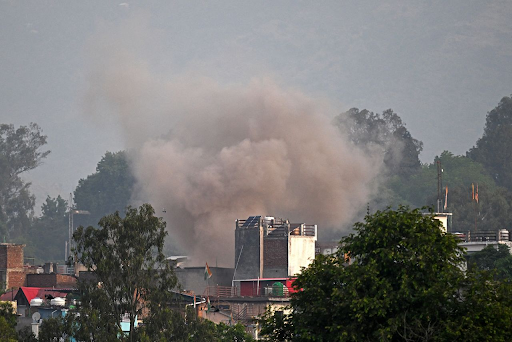
Smoke billows after an artillery shell landed in Poonch district in India's Jammu and Kashmir region on Wednesday.
AFP/Getty Images
A Dangerous Escalation
The renewed violence follows last month’s deadly attack in Indian-administered Kashmir. That attack killed 26 tourists in Pahalgam. India blamed Pakistan for backing the attackers—a claim Islamabad denied.
India’s response, Operation Sindoor, was seen by many analysts as a direct fallout of growing domestic pressure on the Indian government. National sentiment, already inflamed, demanded a tough stance on terrorism.
Praveen Donthi, Senior Analyst at International Crisis Group, warned that the scale of the current escalation exceeds that of the 2019 Pulwama crisis. “Both sides are under intense domestic pressure,” he noted. “But more military action would carry unacceptable risks.”
Calls for Restraint Grow Louder
As the situation worsened, global leaders urged both nations to step back. UN Secretary-General António Guterres appealed for “maximum military restraint.” He expressed concern over India’s cross-border strikes and stressed the need to avoid further escalation.
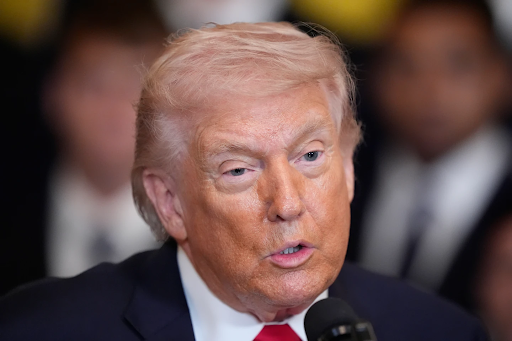
US President Donald Trump echoed that sentiment. “I just hope it ends very quickly,” he said from the White House. US Secretary of State Marco Rubio confirmed close monitoring of the situation.
Civilians Caught in the Crossfire
Experts fear that civilians, especially those in Kashmir, will bear the heaviest burden. Dr. Nitasha Kaul from the University of Westminster said the ongoing tensions are especially tragic for the people of Kashmir.
“They’re trapped between rival nationalistic agendas,” she said. “This escalation wasn’t surprising. India’s current political climate demands aggressive responses. That’s been building for a while now.”
Kaul added that while the strikes were predictable, it is still not too late to halt further violence. “Hopefully, both sides will step back before things spiral further out of control,” she said.
A Fragile Peace in Peril
Operation Sindoor has sparked the gravest military escalation between India and Pakistan in decades. With casualties mounting and no diplomatic breakthrough in sight, the region stands on a knife’s edge.
Global powers continue to urge de-escalation. But as nationalist fervor and mistrust dominate both countries, the road to peace seems harder than ever. The world watches with bated breath, hoping for diplomacy to prevail over destruction.