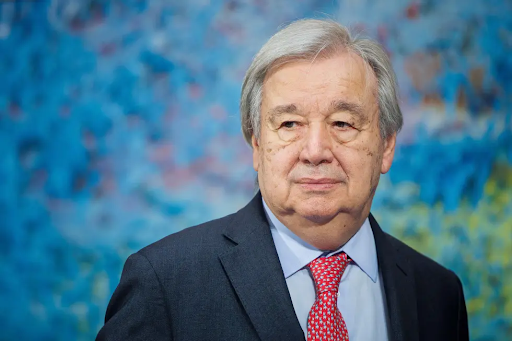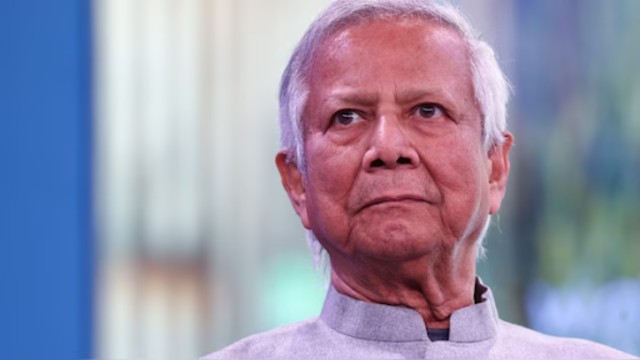
Muhammad Yunus, Chief Adviser of the Government of Bangladesh.
Angry scenes unfolded in London as Bangladesh’s interim Chief Advisor Muhammad Yunus was met with fierce protests during his visit to the UK capital. What was expected to be a diplomatic stopover quickly turned into a storm of dissent, exposing the widening cracks in his leadership back home.
“Go Back Yunus” Chants Echo in London
Hundreds of British Bangladeshis rallied outside Yunus’s hotel. Their message was loud and clear: he was not welcome. Protesters chanted slogans and held placards branding Yunus as the “architect of mob rule” and accused him of aiding jihadists while punishing patriots.
The demonstrators were mostly aligned with the UK branch of the Awami League and its allied groups. Their anger wasn’t just political—it was deeply personal. Many held Yunus responsible for the rising lawlessness in Bangladesh since the ouster of former Prime Minister Sheikh Hasina in 2024.
Cracks Within the Interim Government
The protests in London mirror the unrest back home. Yunus’s support is shrinking fast—not only among his opponents but also within his own camp. Friction between the interim civilian leadership and the military has intensified, with top officials calling out Yunus’s decisions.
General Waker-Uz-Zaman, Bangladesh’s Army Chief, publicly criticised the administration for sidelining the military. He warned that crucial national decisions were being taken without adequate consultation, putting the nation’s stability at risk.
Zaman’s words didn’t stop there. He questioned the legitimacy of an unelected government making deals with foreign powers and called for a swift return to democratic processes. According to him, Bangladesh is “passing through a chaotic phase,” and time is running out.
Election Delay Sparks Widespread Discontent
Yunus, for his part, has promised elections by April 2026. But that timeline isn’t sitting well with many, especially the BNP, who are seen as favourites in the upcoming polls.
BNP leaders are urging Yunus to commit to a concrete election date. Senior party figure Khandakar Mosharraf Hossain stressed that continued support from the BNP would depend on swift action. “The highest priority should be placed on announcing a clear roadmap for the election,” he told reporters.
Mounting Pressure from All Sides
The pressure on Yunus is mounting. Protesters abroad, political allies at home, and even the military are demanding answers. Delays in decision-making, lack of transparency, and weak governance have all painted a bleak picture of the interim regime.
As calls for early elections grow louder, Yunus is running out of time—and allies. If he fails to present a convincing roadmap soon, the fragile coalition holding Bangladesh together may begin to fall apart.
Whether the April 2026 promise holds or collapses under public pressure remains to be seen. But one thing is clear: the clock is ticking for Muhammad Yunus.