

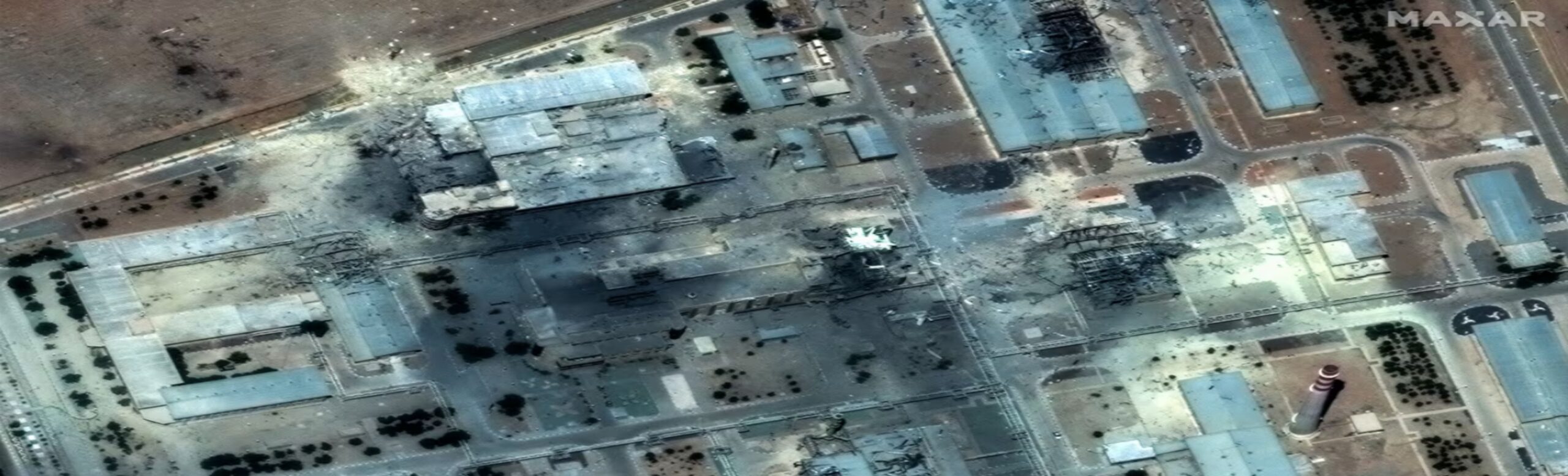
A satellite image close-up shows the Isfahan Nuclear Complex after US strikes on the site Sunday.
In a bold and controversial military move, the United States launched a powerful strike on Iran’s major nuclear sites. President Donald Trump quickly praised the mission, declaring it a “spectacular military success.” According to him, Iran’s nuclear program has been “totally obliterated.” However, global experts warn this assault may have the opposite effect—fueling Iran’s urgency to acquire a nuclear weapon rather than preventing it.
Nuclear Bombing May Have Backfired
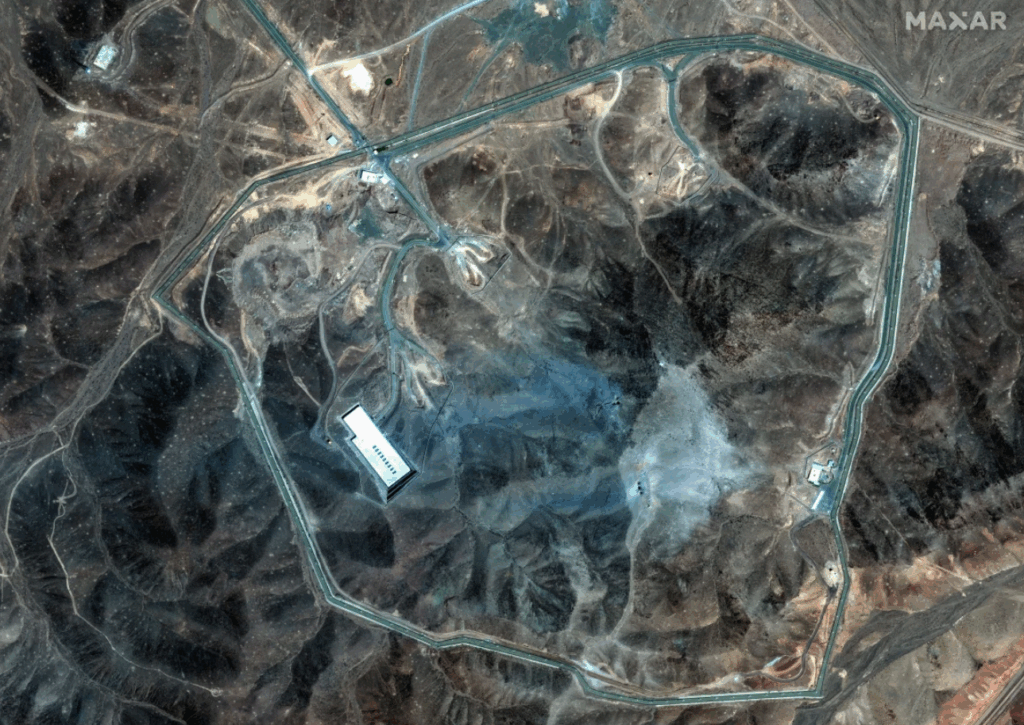
The US attack included over a dozen bunker buster bombs and Tomahawk cruise missiles, aimed at crippling Iran’s nuclear infrastructure. Primary targets included the Fordow, Natanz, and Isfahan sites, central to Iran’s enrichment capabilities.
Although the extent of the damage remains under assessment, initial satellite images suggest significant destruction. Yet, Western analysts argue this could be the beginning of a more dangerous chapter, not the end.
A Shift Toward Nuclear Weaponization?
For years, Iran has maintained that its nuclear ambitions are purely peaceful. Still, hard-liners within the Islamic Republic have long supported the development of nuclear weapons as a strategic defence measure.
With its nuclear sites bombed, those hard-line voices are growing louder. They see this attack as proof that a nuclear deterrent is necessary to prevent further military aggression.
The attack may have, unintentionally, given nuclear advocates inside Iran the upper hand in shaping future policy.
Iran Threatens to Exit Key Nuclear Treaty
A major sign of shifting intentions came from Iranian Foreign Minister Abbas Araghchi. Speaking at a conference in Istanbul, he questioned the effectiveness of the Nuclear Non-Proliferation Treaty (NPT) in protecting Iran’s interests.
“If the NPT can’t shield us,” he asked, “why should Iran or any peaceful nuclear nation depend on it?”
This statement, along with similar comments from Iranian lawmakers, hints that Tehran may soon withdraw from the treaty altogether—a move that would signal a serious step toward nuclear weaponization.
Capacity Lost, Knowledge Intact
While Iran’s nuclear sites took a heavy hit, its scientific knowledge and human capital remain. The US and its allies, including Israel, have previously targeted Iranian nuclear scientists, but Iran’s technological capabilities have survived.
Rebuilding nuclear facilities is possible if political will exists. More importantly, enriched uranium stockpiles may still be in Iran’s possession, despite site damage.
Officials at the International Atomic Energy Agency (IAEA) admit they cannot confirm the current location of this nuclear material. Iran’s state media claims the sites were evacuated before the strikes, suggesting that uranium might have been moved to secret locations.
Trump’s Gamble: Peace or Provocation?
Despite calling Iran the “bully of the Middle East,” Trump’s post-strike statements suggest he expects the Islamic Republic to now pursue peace. But the reality on the ground points in the opposite direction.
Tensions are rising across the region. Iran may retaliate through missile strikes, cyberattacks, or disruptions in global oil routes, including the vital Strait of Hormuz.
Western diplomats are concerned. One European official told CNN that diplomatic talks with Iran showed promise just days ago. “We had a window of opportunity,” they said. “But the Americans have now slammed that window shut.”
Region on Edge, Global Stakes High
The Iran nuclear crisis has entered a volatile phase. What was meant as a show of strength by the United States could end up accelerating Iran’s pursuit of a nuclear bomb.
The region holds its breath as global leaders weigh their next moves. Whether diplomacy can be revived—or whether the path to conflict is now irreversible—remains one of the most urgent questions in international security today.













