Iran's Defense Minister Aziz Nasirzadeh joins a meeting of the Shanghai Cooperation Organization (SCO) defense ministers in Qingdao on 26 June 2025.
Iran’s Defense Minister Aziz Nasirzadeh made his first foreign visit after the recent Iran-Israel conflict by traveling to China. His attendance at the Shanghai Cooperation Organization (SCO) summit underscored Iran's strengthening ties with China—a key diplomatic and economic partner. The meeting took place just a day after a fragile ceasefire ended nearly two weeks of intense aerial strikes between Iran and Israel.
A Significant Diplomatic Step
Nasirzadeh’s trip to China marks a notable diplomatic move, especially after tensions with Israel escalated to near-regional warfare. His visit to Qingdao for the SCO summit, co-led by China and Russia, demonstrated Iran's intention to boost cooperation with non-Western powers. It also reflected China’s growing role as a counterweight to Western influence in global security affairs.
China Hosts the SCO to Promote Its Global Vision
The SCO gathering included defense ministers from countries such as India, Russia, Pakistan, Iran, and several Central Asian nations. The two-day summit aimed to strengthen regional cooperation in security, defense, and diplomacy. Chinese Defense Minister Dong Jun emphasized the need for SCO nations to resist unilateralism and hegemony—a subtle but clear critique of the United States.
Dong called for greater military coordination among SCO members to defend global stability and fairness. The Chinese side avoided direct comments on the Iran-Israel conflict but sent a clear message through its rhetoric: China seeks a world order not dominated by the West.
Iran Grateful for China's Diplomatic Support
During the summit, Nasirzadeh thanked China for supporting Iran’s “legitimate stance” during the Israel conflict. He praised Beijing’s balanced diplomacy and urged it to take a bigger role in maintaining the ceasefire and calming regional tensions.
According to China’s official news agency, Xinhua, the Iranian minister expressed hope that China would continue defending justice and international peace.
China had earlier condemned Israel’s June 13 airstrike that killed top Iranian commanders, and it criticized the subsequent U.S. air raids. Beijing also supported a ceasefire and accused Washington of destabilizing the nuclear non-proliferation framework.
Deepening China-Iran Military and Economic Ties
China remains Iran’s top energy customer, despite not officially reporting oil imports from Iran since 2022. According to recent reports, Chinese chemicals vital for missile fuel production were delivered to Iran in the past few months, further revealing their ongoing cooperation.
Both nations have participated in joint naval exercises, and China has opposed U.S. sanctions against Tehran. It also criticized the U.S. exit from the 2015 Iran nuclear agreement.
This alliance signals Beijing’s interest in solidifying its influence in the Middle East while challenging U.S. dominance.
China’s Role as a Global Peacemaker
While staying diplomatically engaged, China appears cautious about deeper involvement in Middle East conflicts. When questioned about possible military aid to Iran, a Chinese Defense Ministry spokesperson said Beijing prefers to “work with all parties” for Middle East peace and stability.
Analysts believe China is using this opportunity to position itself as a peace-oriented global actor. Rather than taking sides, Beijing is highlighting its vision of balanced international cooperation—one that opposes military intervention and sanctions.
The SCO: Ambitions and Challenges
Founded in 2001, the Shanghai Cooperation Organization was created by China, Russia, and four Central Asian nations to address terrorism and border security. It has since expanded to include India, Pakistan, and now Iran and Belarus. The group is not a formal alliance, but it seeks to build regional stability and counterbalance Western blocs like NATO.
Despite its broad membership, the SCO faces internal tensions. Longstanding rivalries—such as the border disputes between China and India, or clashes between India and Pakistan—have limited the group’s effectiveness. At Qingdao, these differences surfaced again. According to India’s foreign ministry, no joint statement was issued due to disagreements on defining terrorism.
A Diplomatic Crossroads
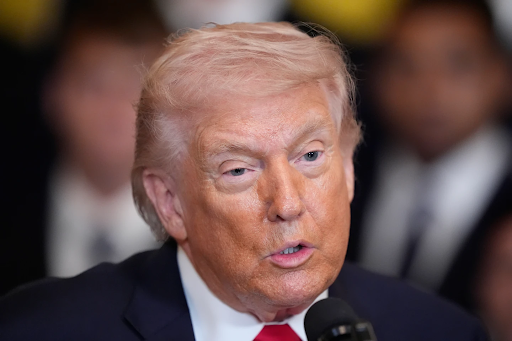
The SCO summit occurred parallel to a NATO meeting in The Hague. There, U.S. President Donald Trump announced plans to engage Iran next week regarding a potential nuclear deal. As these diplomatic maneuvers unfold, Iran’s outreach to China and China’s careful diplomatic stance reveal shifting global dynamics.
With Iran seeking new allies and China positioning itself as a leader of a multipolar world, their strengthened partnership could reshape regional and global power balances in the years ahead.