Israeli Foreign Affairs Minister Israel Katz listens during a meeting of the United Nations Security Council on March 11, 2024.
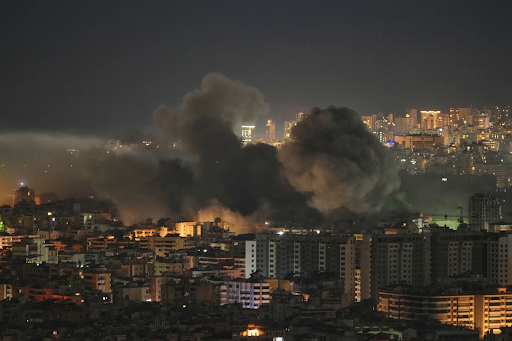
Israel launched a wave of airstrikes on Houthi targets in Yemen late Sunday night, marking its first military action in Yemen since the Israel-Iran ceasefire. The strikes were in direct response to renewed Houthi missile attacks on Israeli territory.
Retaliation Follows Houthi Missile Launches
According to the Israel Defense Forces (IDF), at least three ballistic missiles were fired from Houthi-controlled regions after the ceasefire took effect. One of the missiles was intercepted on Saturday. The IDF viewed this as a violation of the ceasefire and responded swiftly.
Key Infrastructure and Ports Targeted
Israel targeted critical infrastructure along Yemen’s Red Sea coast. The airstrikes hit four major ports—Hodeida, Ras Isa, Salif, and the Ras Kanatib power station. These ports are vital logistical hubs under Houthi control.
The IDF also struck the Galaxy Leader, a cargo ship seized by the Houthis in November 2023. The military claimed the vessel was being used for intelligence operations.
“Houthi forces had installed a radar system on the ship,” the IDF said in a statement. “They were using it to track international maritime traffic to facilitate terrorist activities.”
Civilian Warning Issued Before Attack
Just before launching the strikes, IDF Arabic-language spokesperson Avichay Adraee issued an urgent warning. Civilians were advised to evacuate the targeted ports and the power station.
This warning was part of an effort to minimize civilian casualties, a strategy often employed by the IDF in high-risk zones.
Operation ‘Black Flag’ Begins
Defense Minister Israel Katz announced that the retaliatory strikes marked the start of a new military campaign, Operation Black Flag. Katz made a public statement promising ongoing military action if Houthi hostilities continued.
“The Houthis will pay a heavy price for their aggression,” he declared on social media. “Any future missile or drone attack on Israel will be met with force.”
Houthi Response and Denial
The Houthi military acknowledged the airstrikes but downplayed their impact. In a brief statement released early Monday, the group claimed Yemeni air defenses had “effectively confronted the Israeli aggression” using a barrage of locally-made surface-to-air missiles.
Houthi political bureau member Mohammed Al Farah condemned the attacks. He stated that the targeting of ports and power stations was aimed at civilians and had no military justification.
“Striking civilian infrastructure is a blatant attempt to harm Yemen’s people,” he told Houthi-run Al-Masirah TV.
No Casualties Reported So Far
As of now, there are no confirmed reports of civilian or military casualties from the strikes. The extent of the damage to the ports and power station remains under assessment.
Strategic Timing Amid Diplomatic Visit
The airstrikes come just as Israeli Prime Minister Benjamin Netanyahu heads to Washington. He is scheduled to meet with U.S. President Donald Trump to discuss regional security, including threats posed by Iran-backed militias.
This timing has raised speculation about the broader strategic intentions behind Israel’s military response.
A Broader Conflict Still Simmering
Since the Israel-Hamas war erupted in Gaza in October 2023, Israel has faced attacks from multiple fronts. Hezbollah in Lebanon and the Houthis in Yemen have both launched projectiles, claiming to support Palestinians.
The Houthis, heavily backed by Iran, have also targeted international commercial and military vessels in the Red Sea. These actions have disrupted shipping routes and escalated regional tensions.
In March, the U.S. responded with a major campaign of airstrikes on Houthi positions in Yemen, aiming to cripple their offensive capabilities.
A Warning to the Houthis and Beyond
With this latest offensive, Israel sends a clear message: ceasefire violations will not be tolerated. The launch of Operation Black Flag signals a new phase in Israel’s regional defense strategy.
As tensions continue to mount, both sides remain on high alert—and the Red Sea remains a flashpoint in the broader Middle East conflict.