Russian President Vladimir Putin is pictured meeting Roman Starovoit on January 30, 2025 in the Kremlin.
A tragic development unfolded in Russia on Monday, as former Transport Minister Roman Starovoit was found dead just hours after his dismissal. Authorities confirmed that the 51-year-old died by suicide, sending ripples through the Russian political landscape.
Starovoit had been removed from office by President Vladimir Putin earlier that day. The Kremlin announced the decision in an official decree, naming Deputy Minister Andrey Nikitin as his temporary replacement. When questioned about the firing, Kremlin spokesperson Dmitry Peskov denied it stemmed from a "lack of trust" but offered no further explanation.
Minister Found Dead in Moscow Suburb
Later that same day, Starovoit’s body was discovered in a vehicle parked in Odintsovo, a suburb of Moscow. The Russian Investigative Committee confirmed a gunshot wound and stated that suicide is currently the primary theory. However, a full investigation is ongoing to determine the exact circumstances of his death.
From Regional Leader to Federal Minister
Roman Starovoit’s political journey saw him serve as the governor of Russia’s Kursk region before his ministerial appointment in May 2024. Although he stepped down before Ukraine’s surprise incursion into the region, he was partly blamed for the area’s defensive shortcomings.
Reports suggest that Starovoit was recently implicated in a high-profile embezzlement probe. Multiple Russian media outlets, including Kommersant and RBC, stated that he was under investigation for misusing state funds allocated for military fortifications. Kommersant even reported that an arrest warrant was likely imminent.
Adding to the context, Alexei Smirnov—Starovoit’s former deputy and predecessor in Kursk—was arrested in April in connection with the same corruption case.
Air Travel Chaos Amid External Threats
Starovoit’s dismissal coincided with a massive disruption in Russian air travel. Over the weekend and into Monday, nearly 500 flights were canceled, 88 diverted, and close to 2,000 delayed.
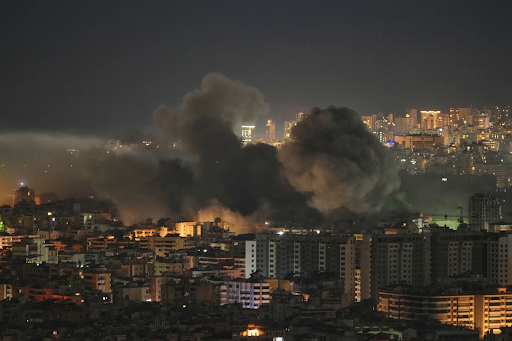
The Russian Federal Agency for Air Transport blamed “external interference” but did not provide specific details. Meanwhile, the Defense Ministry revealed that it had intercepted over 400 long-range Ukrainian strikes during the same period.
In a separate operation, Ukraine claimed to have hit a chemical plant in Krasnozavodsk, just north of Moscow. According to Ukrainian forces, the plant produces pyrotechnics, ammunition, and thermobaric warheads for Shahed-type drones.
Wave of Attacks in Ukraine Leaves Dozens Injured
While Moscow dealt with internal turmoil, violence in Ukraine continued to escalate. Ukrainian officials reported that 12 civilians were killed and more than 90 injured in Russian strikes within a 24-hour period.
In Kharkiv, an early morning drone attack hit a kindergarten, a commercial district, and a residential building, injuring 29 people, including three children. A second drone strike just hours later left 17 more wounded, including a teenage boy.
The Ukrainian Air Force stated that Russia launched four surface-to-air missiles and 101 Shahed-type drones in one day. Of those, 75 were intercepted or jammed successfully.
Russian Drones Target Ukrainian Recruitment
Adding to the list of concerns, Ukraine’s military reported that two of its recruitment offices were targeted by Russian drones on Monday. These attacks mark the sixth such incident in just over a week.
Officials believe that these strikes aim to hamper Ukraine’s enlistment efforts amid ongoing warfare. The drone assaults on military offices have already killed at least two people and injured more than a dozen others.