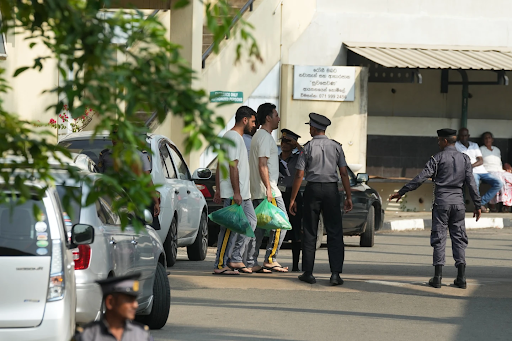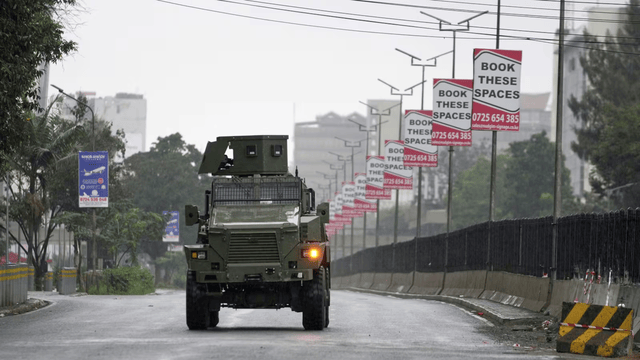
An armed police vehicle parks on road ahead of demonstrations in Nairobi, Kenya, Monday, July 7, 2025. (AP Photo)
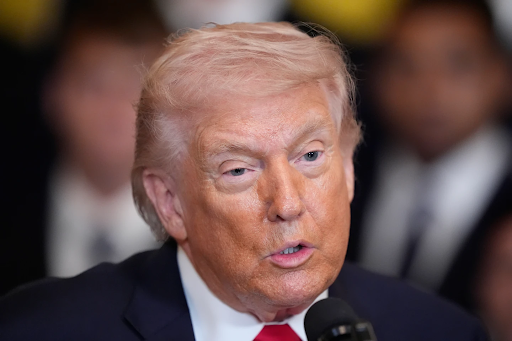
Kenya’s President William Ruto has finally spoken out after weeks of deadly anti-government protests, and his words are sparking fresh controversy. At a housing project launch in Nairobi on Wednesday, Ruto made headlines by instructing police to shoot protesters in the legs—an aggressive shift in tone that has alarmed many.
His message was clear: “Enough is enough.”
He warned that the government would not tolerate what he described as “anarchy disguised as peaceful demonstrations.”
“Break Their Legs, But Don’t Kill Them”
During his speech, Ruto instructed law enforcement officers to physically disable, but not kill, anyone caught destroying public or private property.
“Anyone going to burn people’s property should be shot in the leg, be hospitalized and later taken to court upon recovery,” he said.
The president’s remarks come after two intense waves of protests over the past two weeks. What began as outrage over police brutality—sparked by the death of a blogger in custody—has now evolved into a broader cry against government injustice.
What Sparked the Protests?
The unrest ignited following the suspicious death of a prominent blogger while in police custody. Tensions intensified when a police officer was caught on video shooting a protester at close range.
On June 25, thousands rallied across Kenya in what many described as a peaceful protest against rising police violence. That date also marked the one-year anniversary of last year’s anti-tax protests, further fueling frustration.
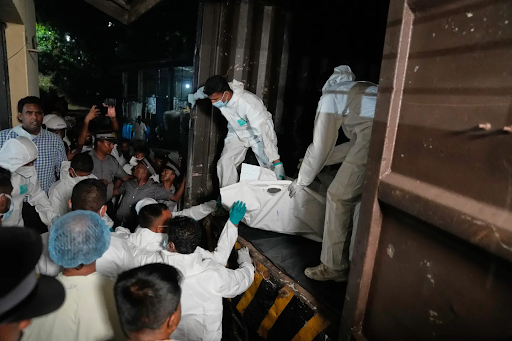
The government responded with force. Roadblocks were set up around Nairobi. Protesters clashed with police in 17 out of Kenya’s 47 counties. According to reports, 31 people died and over 100 were injured in a single day. In total, 50 people have died over two weeks, and more than 500 have been arrested.
President Blames Politics
Rather than addressing the protesters' concerns directly, Ruto pointed the finger at political opponents. He claimed the demonstrations are being used as a front to destabilize the government.
“You can call me whatever names you want to call me, but I will make sure there is peace and stability in Kenya by all means,” he said.
He accused opposition leaders of trying to “overthrow the government through violence” and equated attacks on police stations to a “declaration of war.”
“This is a democratic country... We cannot decide leadership through violence.”
Backlash Grows
But Ruto’s harsh rhetoric has not gone down well with critics.
Lawyer and politician Mong’are Okong’o condemned the president’s comments as “reckless” and dangerous.
“Has he considered the biological trauma of bullet wounds, shattered bones, severed arteries, permanent disability?” he asked.
Okong’o warned that such instructions undermine the justice system and could lead to irreversible harm.
“Leadership demands wisdom, not war talk,” he added.
Police Under Scrutiny
Meanwhile, pressure is mounting on Kenya’s police forces. Civil society groups have repeatedly urged restraint. Five officers are now facing court charges linked to the blogger’s death and the recent close-range shooting incident.
Deputy Inspector General Eliud Langat, who had earlier filed a complaint about the blogger’s social media posts, has stepped aside as investigations unfold.
The United Nations has also weighed in. Human rights chief Volker Türk called on Kenyan authorities to address the underlying issues driving the protests and ensure accountability for violence.
What Comes Next?
As public anger continues to simmer and global attention sharpens, the question remains: Will President Ruto double down or dial it back?
For now, his words have left many Kenyans concerned—not just about the protests, but about the state of democracy and justice in the country.
The world is watching.