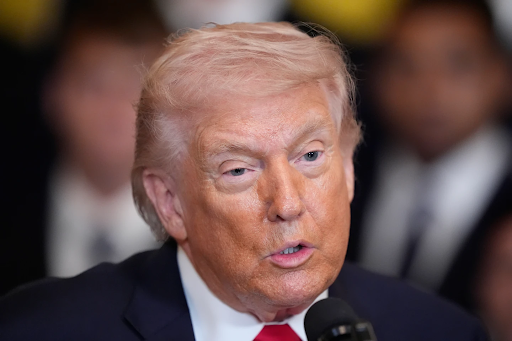
White House special envoy Steve Witkoff waits for the arrival of President Donald Trump at Teterboro Airport in Teterboro, N.J., en route to attend the Club World Cup final soccer match, Sunday, July 13, 2025.
In a renewed diplomatic effort, President Donald Trump’s special envoy, Steve Witkoff, is set to visit the Middle East in hopes of brokering a Gaza ceasefire. The visit comes as the U.S. intensifies efforts to reach an agreement between Israel and Hamas.
Diplomatic Push to Halt Violence
State Department spokesperson Tammy Bruce confirmed Witkoff’s trip during a press briefing on Tuesday. She expressed optimism, saying the envoy is heading to the region with “strong hope” of securing a ceasefire and setting up a new humanitarian corridor.
While exact locations remain undisclosed, Bruce emphasized the urgency of the visit, pointing to recent deadly events in Gaza. “This is a constantly shifting situation,” she noted, hinting that some progress may soon be possible.
Europe Talks Also on Agenda
Three U.S. officials, speaking anonymously, revealed that Witkoff is first expected to visit Europe. He will reportedly discuss a wide range of topics, including Gaza and the broader ceasefire strategy. However, they withheld details about his specific Middle East itinerary or dates.
The State Department declined further comment on Witkoff’s travel plans, leaving much of the schedule unclear. The envoy’s mission remains part of Washington’s broader goal to stabilize the region amid worsening humanitarian conditions.
Deadly Incident Sparks Global Alarm
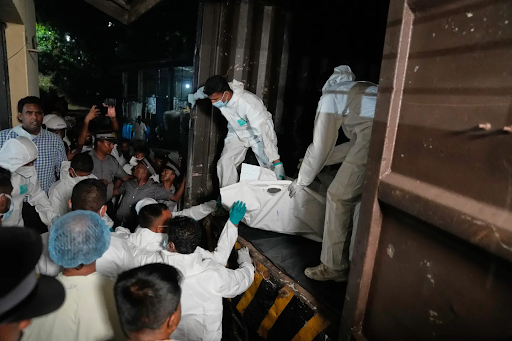
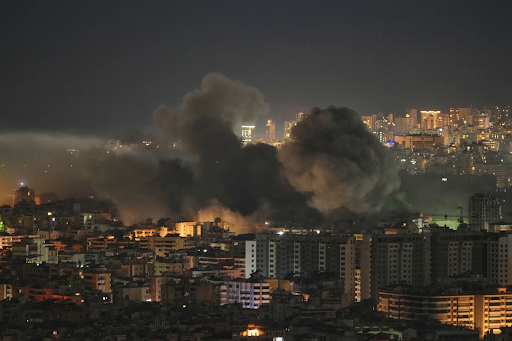
Witkoff’s visit follows the deadliest day in Gaza in over 21 months of conflict. At least 85 Palestinians died on Sunday while seeking food aid, adding urgency to ceasefire talks.
The Israeli military claimed to have fired warning shots only, suggesting the reported casualties were exaggerated. In contrast, the United Nations’ food agency accused Israeli forces of directly firing on crowds desperate for aid.
The violence occurred at the Zikim crossing between Israel and Gaza. Bruce called the incident “absolutely horrible,” stressing that it underscores the urgent need for a new aid corridor as part of any ceasefire deal.
Humanitarian Aid at the Core of Talks
Ongoing discussions in Qatar have shown minor progress, but a breakthrough remains elusive. A key issue is the redeployment of Israeli forces after a ceasefire begins.
Under the U.S. proposal, a 60-day truce would take effect. During this period, Hamas would release a portion of its hostages. In return, Israel would free some Palestinian prisoners and permit a significant increase in humanitarian aid to Gaza.
The plan also includes initiating talks for a permanent end to the conflict within the 60-day window.
Conflicting Demands from Both Sides
Despite the proposal, major obstacles remain. Israeli Prime Minister Benjamin Netanyahu insists the war will continue until Hamas is disarmed and ousted from power. Hamas, on the other hand, refuses to release all hostages until the war ends completely.
Hamas is currently holding around 50 hostages, with only 20 believed to be alive. The group is demanding firm guarantees that Israel won’t resume military operations after the temporary truce, as Netanyahu did in March following a previous ceasefire.
Hope Amid Uncertainty
With rising casualties and global concern mounting, Witkoff’s visit aims to revive hopes for peace and stability in Gaza. The U.S. is betting on diplomacy to deliver a breakthrough — but success hinges on building trust between two deeply divided sides.
As the region waits, the world watches closely for signs that peace talks may finally gain ground.