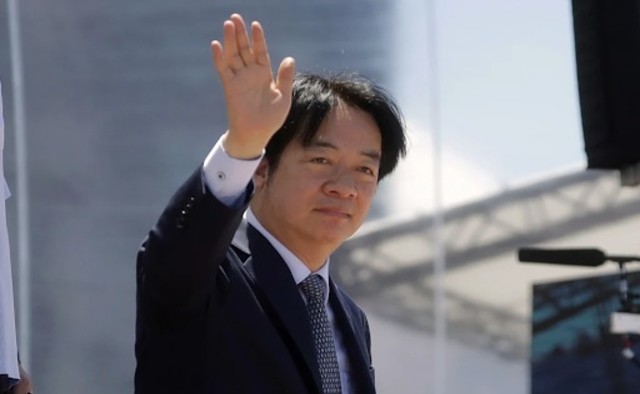
Taiwanese President Lai Ching-te waves after an offshore anti-terrorism drill at the Kaohsiung harbor in Kaohsiung, southern Taiwan, June 8, 2025.
In a surprising move, Taiwan’s President Lai Ching-te has cancelled plans to stop in the United States en route to Latin America. This decision, though officially linked to domestic priorities, has raised questions about growing tensions in U.S.-China-Taiwan relations.
Domestic Priorities or Diplomatic Pressure?
Taiwan’s presidential office stated that the cancellation was due to pressing local issues. Recent typhoon recovery efforts, ongoing tariff talks with the U.S., and evolving regional dynamics were cited. Karen Kuo, the president’s spokesperson, confirmed there were no overseas visits planned for the near future.
But diplomatic observers aren’t convinced. Rumors have circulated that the Trump administration discouraged Lai’s planned stop in New York. Another proposed stop was in Dallas, Texas.
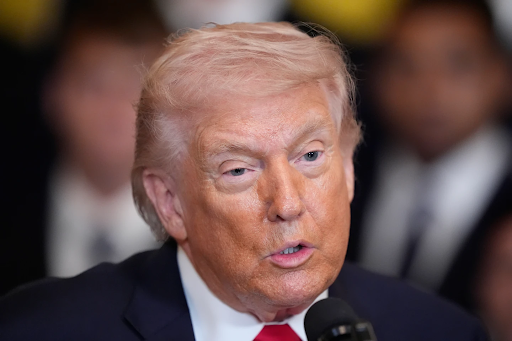
Some believe Washington acted under pressure from Beijing, seeking to avoid conflict as President Trump aimed to secure a meeting with Chinese President Xi Jinping.
US Silent, Beijing Likely Pleased
The White House declined to comment on the issue. The U.S. State Department called the matter “hypothetical,” stating there were no confirmed travel plans from Taiwan.
Despite this, sources with direct knowledge of the situation confirmed that internal discussions were underway last week. One insider said the U.S. had requested Taiwan to change Lai’s transit route, possibly excluding New York.
Another source claimed China sensed an opportunity to block Lai’s U.S. transit by leveraging Trump’s eagerness for progress in U.S.-China relations.
Taiwan’s Routine Transits Now Under Scrutiny
Historically, transits through the U.S. by Taiwanese presidents have been routine, despite frequent protests from Beijing. These visits are permitted under the Taiwan Relations Act, which supports military and diplomatic ties between the U.S. and Taiwan.
Jason Hsu, a senior fellow at the Hudson Institute and former Taiwanese legislator, called it “unusual” for the U.S. to reject such a transit. He noted that these visits are generally coordinated closely between Taipei and Washington.
State Department spokesperson Tammy Bruce echoed this sentiment, stating that such transits are in line with longstanding U.S. policy.
Lai Viewed Differently by Beijing
Lai, elected president in 2024, is seen by China as more vocal on Taiwanese independence. His previous overseas trip included stops in Guam and Hawaii, where he met U.S. officials. But this time, Beijing appears less tolerant.
The Chinese government did not respond to media inquiries, but past responses suggest strong disapproval of such visits.
Zack Cooper, senior fellow at the American Enterprise Institute, said this shift might indicate a change in how the Trump administration handles Taiwan in its dealings with China.
“If true, it raises concerns about the U.S. giving in to Beijing’s red lines,” Cooper noted.
Critics Slam Trump’s China Stance
Democrats on Capitol Hill were quick to respond. They criticized what they see as the Trump administration’s concession to China.
Rep. Raja Krishnamoorthi of Illinois, top Democrat on the House committee on U.S.-China strategic competition, called the move “another example of caving to Beijing.”
He emphasized that both Democratic and Republican administrations have allowed Taiwanese leaders to transit through the U.S. in the past.
“There’s no reason this time should be different,” Krishnamoorthi said.
What This Means for US-Taiwan-China Relations
This development could signal a shift in how the U.S. balances its support for Taiwan with its complex relationship with China.
For now, Taiwan insists that domestic concerns—not U.S. pressure or Chinese influence—led to the change in plans. Still, the diplomatic optics suggest a quiet but significant victory for Beijing.
Whether this becomes a precedent remains to be seen. But one thing is clear: Taiwan’s geopolitical role is once again at the heart of great power tensions.