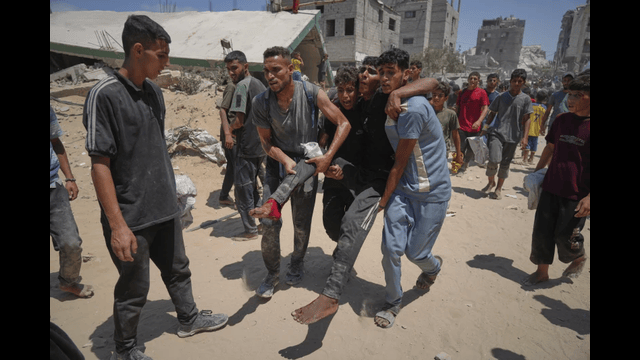
Palestinians carry a wounded man who was injured while rushing to collect humanitarian aid airdropped by parachute into Gaza City, in the northern Gaza Strip, Thursday, Aug. 7, 2025.
Israel is preparing to take over the entire Gaza Strip in an effort to eliminate Hamas, Prime Minister Benjamin Netanyahu confirmed in a recent interview. His remarks came as Israel’s Security Cabinet debated expanding military operations that have already devastated much of the region.
Netanyahu: Security First, Governance Later
In a Fox News interview, Netanyahu stated, “We intend to take control of all of Gaza.” He emphasized that the goal is not long-term occupation but ensuring Israel’s security by removing Hamas.
He added that once Hamas is defeated, the administration of Gaza would be handed over to “friendly Arab forces.” These forces, he said, would provide governance that benefits Gazans without threatening Israel.
Security Cabinet Weighs Larger Offensive
Israeli officials indicated that the Security Cabinet is considering a broader military campaign targeting areas of Gaza still outside Israeli control. Any such plan would be executed gradually to maximize pressure on Hamas.
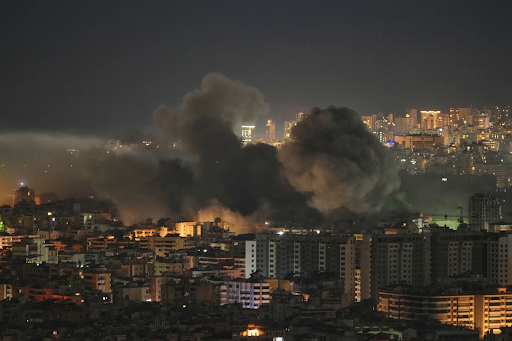
The discussions come as Gaza remains under siege. Air and ground attacks have already displaced millions, left much of the area in ruins, and sparked a humanitarian crisis.
On Thursday alone, at least 42 Palestinians were killed in southern Gaza. The death toll includes civilians caught in the chaos as they sought aid.
Growing Concerns of Global Isolation
Israel already controls approximately 75% of Gaza. Any further escalation may deepen its international isolation. Allies, including the U.S. and several European nations, have urged Israel to end the war and prioritize humanitarian aid.
In Israel, tensions are also rising. Families of hostages are organizing protests, fearing that extended combat could endanger their loved ones.
Hamas abducted 251 people during its October 7, 2023, assault that killed around 1,200 Israelis. While most hostages have since been released, around 50 remain in Gaza. Israel believes that at least 20 are still alive.
Families of Hostages Demand Peace
On Thursday, relatives of hostages sailed towards Gaza’s maritime border to send messages to their loved ones and the international community.
Yehuda Cohen, father of captured soldier Nimrod Cohen, criticized Netanyahu for prolonging the war. He accused the prime minister of appeasing far-right factions that are pushing for population relocation and the return of dismantled settlements in Gaza.
“Netanyahu is working only for himself,” said Cohen, urging world leaders to intervene and stop the war.
Aid Turns Deadly in Southern Gaza
The crisis on the ground continues to worsen. Gaza’s Health Ministry reports over 61,000 Palestinian deaths since the war began. Though Israel disputes the numbers, it has not provided an alternative count.
Among Thursday’s victims were at least 13 individuals trying to access food aid in an Israeli military zone near the Morag Corridor. This area has become notorious for chaos, looting, and violence surrounding aid deliveries.
Two more people died on roads near Gaza Humanitarian Foundation (GHF) distribution sites, according to local hospitals. GHF denied any incidents at its facilities that day.
GHF Under Fire for "Deadly Aid System"
Global criticism of the GHF is intensifying. Doctors Without Borders (MSF) released a damning report accusing the organization of creating a “deliberately designed death trap.”
Between June 7 and July 20, MSF treated 1,380 injured people near GHF aid sites. Of these, at least 147 had gunshot wounds, including 41 children. Many others suffered trauma from stampedes and pepper spray.
MSF warned that GHF’s system is not humanitarian aid but “orchestrated killing.” The group’s report highlights that their health centers are overwhelmed and not equipped for mass casualties.
GHF has rejected the claims, calling them false and accusing MSF of spreading Hamas propaganda.
International Pressure and Fallout
Human Rights Watch is calling for a global suspension of arms sales to Israel. Their demand follows Israeli airstrikes that killed 49 people at two schools-turned-shelters in 2024.
The U.S. and Israel created the GHF to replace the U.N.-led aid system, accusing Hamas of diverting supplies. The U.N. denies these claims and accuses GHF of endangering Palestinian lives while enabling forced displacement.
As Gaza’s humanitarian disaster deepens and diplomatic tensions rise, the world watches closely. The next decisions from Israel’s leaders may shape the future of the war—and of Gaza itself.