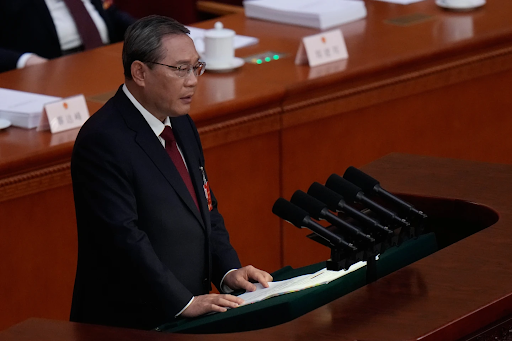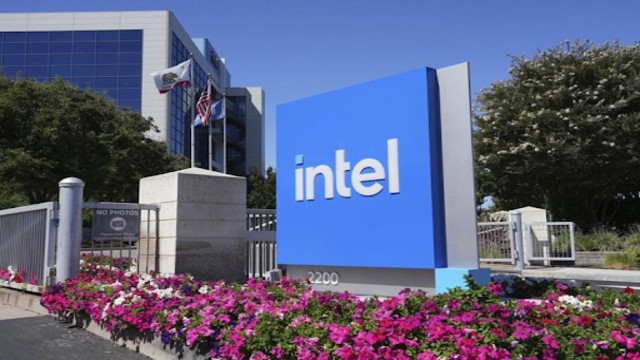
SoftBank announces a $2 billion stake in the U.S. chipmaker. (AP Photo)
Japanese technology conglomerate SoftBank Group is set to take a $2 billion stake in American chipmaker Intel, marking another major step in its U.S. technology investments. The companies confirmed the move on Monday, highlighting the growing focus on semiconductor manufacturing in the United States.
SoftBank will purchase Intel’s common stock at $23 per share, giving it close to a 2% stake. Intel’s stock closed at $23.66 on Monday, while its shares jumped 5.4% in pre-market trading on Tuesday following the news.
Tokyo Market Reaction
Despite the announcement, SoftBank’s shares slipped 4% in Tokyo trading on Tuesday. The dip coincided with reports suggesting that President Donald Trump is weighing the possibility of the U.S. government itself acquiring a stake in Intel.
SoftBank has long invested in companies it sees as having long-term growth potential. Since Trump’s return to the White House, the group has intensified its U.S. presence. Earlier this year, SoftBank chairman Masayoshi Son appeared alongside Trump, OpenAI’s Sam Altman, and Oracle’s Larry Ellison to announce a $500 billion artificial intelligence project named Stargate.
SoftBank Sees Strategic Opportunity
Masayoshi Son described the investment as a long-term bet on America’s semiconductor future.
“Semiconductors are the foundation of every industry,” Son said in a statement. “This strategic investment reflects our belief that advanced semiconductor manufacturing and supply will continue expanding in the United States, with Intel playing a critical role.”
SoftBank recently posted its first profit in four years during the April–June quarter, buoyed by strong returns from its investment portfolio. The group remains a key stakeholder in Arm Holdings, the British chip design firm.
Intel’s Struggles and Restructuring
Once a trailblazer of Silicon Valley, Intel has been struggling to keep pace with rivals like Nvidia and Advanced Micro Devices (AMD). The company has reported heavy financial losses, including a $2.9 billion loss in the most recent quarter.
Under new CEO Lip-Bu Tan, Intel has been undergoing sweeping changes. The company is reducing its workforce by 15%, aiming to end the year with about 75,000 “core” employees, down sharply from 99,500 at the end of 2024. The cuts are being implemented through layoffs and attrition as Intel works to streamline operations and reduce costs.
Intel’s leadership has also drawn political attention. President Trump initially called for Tan’s resignation after his appointment in March. However, following a meeting last week, Trump softened his stance, later praising Tan’s “amazing story.”
A High-Stakes Bet
The investment comes at a time when the global semiconductor industry is under immense pressure. With rising demand for chips powering everything from smartphones to artificial intelligence, countries are racing to secure supply chains. Intel, despite its recent struggles, remains central to America’s ambitions of reviving domestic chipmaking.
For SoftBank, the $2 billion stake strengthens its position in U.S. technology while aligning with its broader push into artificial intelligence and advanced computing. For Intel, the move signals renewed investor confidence at a critical time in its turnaround efforts.