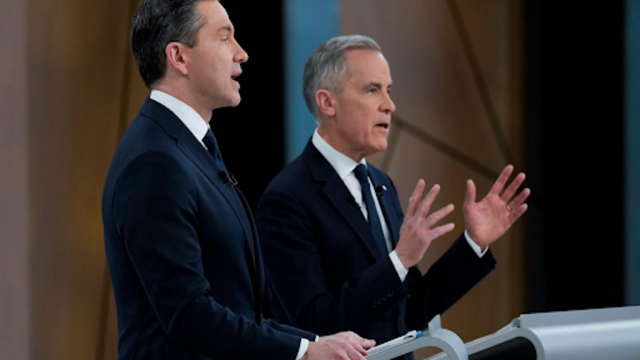
Conservative leader Pierre Poilievre said Prime Minister Justin Trudeau is bringing back the carbon tax under clean fuel rules. The Canadian Press
Conservative leader Pierre Poilievre has accused Prime Minister Justin Trudeau of bringing back the federal carbon tax under a different name. He said the government’s clean fuel regulations amount to the same policy Canadians already rejected.
Poilievre argued the rules will raise costs for families and businesses. He claimed the changes hurt people struggling with high food and fuel prices.
Clean Fuel Rules Spark Debate
The clean fuel regulations require fuel producers to cut carbon emissions from gasoline and diesel. The policy is part of Ottawa’s plan to lower pollution and reach climate targets.
Government officials say the rules push industry toward greener options. Critics, including Poilievre, insist the policy simply adds costs at the pump.
Poilievre promised to scrap the regulations if elected. He said Canadians deserve affordable energy, not what he called a “carbon tax in disguise.”
Defence Minister Clarifies Ukraine Remarks
The carbon tax debate came as Defence Minister Bill Blair tried to clarify comments about Ukraine. Earlier, Blair said Canadian soldiers may eventually put “boots on the ground” in Ukraine. The remark sparked criticism and concern about Canada’s role in the conflict.
Blair later explained that Canada has no plans to send troops into Ukraine’s combat zones. He said the country will continue to provide training, equipment, and aid, but not frontline forces.
Political Battle Over Energy and Security
The twin issues of energy costs and foreign policy highlight growing political divisions in Ottawa. Poilievre continues to use cost-of-living concerns to challenge the Prime Minister’s climate strategy.
At the same time, the federal government faces pressure over its military support for Ukraine. While Ottawa has sent weapons and financial help, officials insist Canadian troops will not fight in the war.
Canadians Face Rising Pressure
Energy prices, climate policy, and global conflict remain top concerns for many Canadians. Poilievre hopes his attacks on the carbon tax will connect with voters struggling with high expenses. Trudeau, meanwhile, defends the clean fuel rules as necessary for a sustainable future.
Both leaders appear determined to frame the debate on their own terms. For Poilievre, the issue is affordability. For Trudeau, it is climate responsibility. With an election expected in the coming years, the battle over clean fuel rules is unlikely to fade.