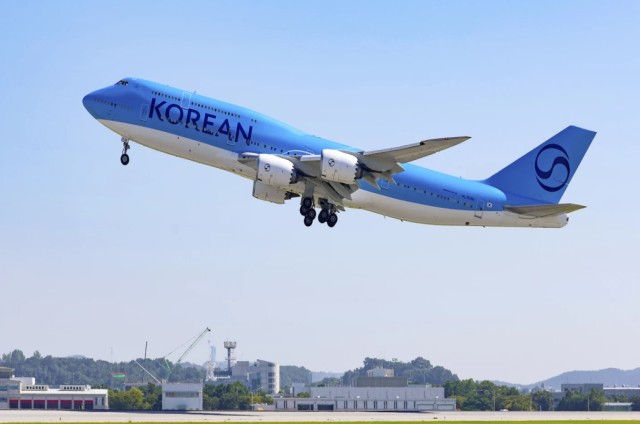
A Korean Air chartered plane takes off to bring back Korean workers detained in an immigration raid in Georgia, at Incheon International Airport, South Korea, Wednesday, Sept. 10, 2025.
A South Korean charter flight has been dispatched to the United States to bring back workers detained in a large-scale immigration raid. The move comes after widespread shock in South Korea over images of its citizens being shackled during the operation.
Immigration Raid at Georgia Battery Plant
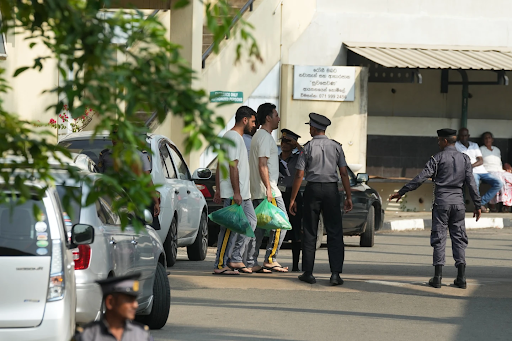
On September 4, U.S. authorities raided a battery factory under construction at Hyundai’s auto complex in Georgia. Nearly 475 workers were detained, with more than 300 being South Korean nationals.
The raid, led by the Department of Homeland Security, was the largest workplace operation of its kind under Washington’s ongoing mass deportation campaign. Videos released by U.S. officials showed detained workers in chains around their wrists, ankles, and waists. These images quickly spread in South Korea, sparking outrage and feelings of humiliation toward its closest ally.
South Korea Moves Swiftly to Secure Release
Following urgent talks, Seoul confirmed it had reached an agreement with Washington for the release of its workers. The South Korean government arranged a charter Boeing 747-8i, which departed from Incheon International Airport on Wednesday. Officials said the workers are expected to return home by Thursday evening.
The detained workers are currently housed in Folkston Immigration Detention Center in southeast Georgia. Reports suggest they will be transferred to Atlanta before boarding the chartered flight.
Voluntary Departure Instead of Deportation
South Korean diplomats have been pushing for “voluntary departures” rather than deportations. A deportation could bar these workers from entering the United States for up to ten years. Officials emphasized that ensuring future access for skilled Korean workers is a priority, given the number of ongoing projects in the U.S.
The Georgia plant is a joint venture between Hyundai and LG Energy Solution. It is one of more than 20 industrial sites that South Korean companies are constructing in America as part of major investment commitments.
Diplomatic Tensions After Recent Summit
The raid occurred just ten days after South Korean President Lee Jae Myung met U.S. President Donald Trump in Washington. In July, Seoul had also pledged hundreds of billions of dollars in U.S. investments to secure a tariff deal.
Many South Koreans see the raid as a national disgrace, with criticism mounting over Washington’s handling of visas for foreign workers. While experts believe Seoul is unlikely to retaliate, analysts warn that the incident could create diplomatic friction.
Visa Issues at the Core
U.S. officials said the detained individuals included undocumented immigrants, overstayers, and workers on visa waivers not permitted to take employment. However, South Korea has long pressed Washington to create a dedicated visa system for skilled Korean professionals.
For years, Korean companies have relied on short-term visitor visas and the Electronic System for Travel Authorization (ESTA) to bring in specialists. This practice had been informally tolerated until now.
LG Energy Solution, which employed most of the detained staff, ordered its Korean employees on B-1 or B-2 visas to stop reporting to work. Those on ESTA were instructed to return home immediately.
Push for New Visa Quota
During his visit to Washington, South Korean Foreign Minister Cho Hyun met with executives from Hyundai, LG, and Samsung. He confirmed ongoing discussions with U.S. lawmakers about creating a separate visa quota for Korean professionals.
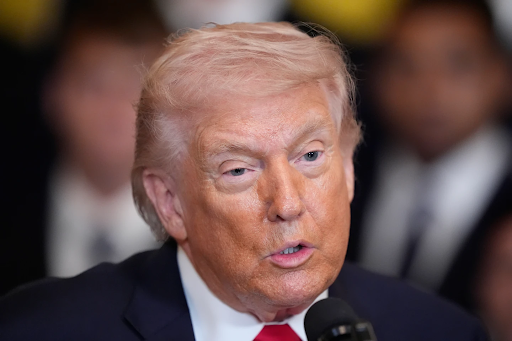
President Trump defended the raid, saying the workers were in the country illegally. He insisted that U.S. citizens must be trained to handle specialized tasks like battery and computer manufacturing.
Yet, experts countered that no American company currently produces the machines required for the Georgia battery plant. According to attorney Charles Kuck, it would take at least three to five years to train U.S. workers for such roles.
South Korea Calls for Fair Treatment
South Korea’s alliance with the U.S., forged during the Korean War, remains central to its security. But the immigration raid has raised questions about fair treatment of Korean investments and workers.
President Lee expressed “deep responsibility” over the issue during a Cabinet Council meeting. He vowed to work closely with Washington to prevent similar incidents and to safeguard the interests of South Korean businesses in the U.S.