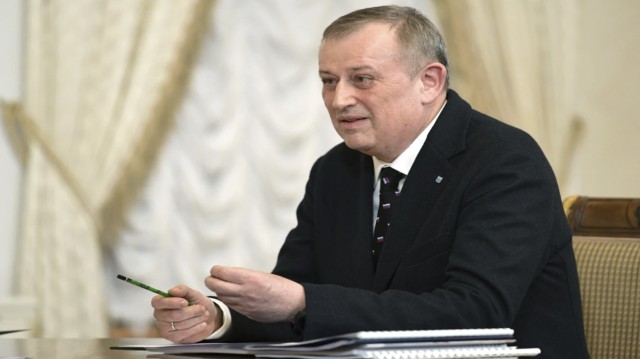
Leningrad Region Governor Alexander Drozdenko speaks to Russian President Vladimir Putin during their meeting in St. Petersburg, Russia, Monday, Jan. 29, 2024.
A major Russian oil refinery was struck by Ukrainian drones overnight, sparking a large fire and raising new concerns about the country’s fuel supply. The attack targeted the Kirishi refinery in the Leningrad region, one of Russia’s largest energy facilities.
The refinery, run by Surgutneftegas, produces nearly 17.7 million metric tons of crude annually, making it one of the top three by output in Russia. The strike comes amid weeks of escalating Ukrainian attacks on Russian oil infrastructure that Kyiv insists supports Moscow’s ongoing war in Ukraine.
Fire at Kirishi Refinery After Drone Strike
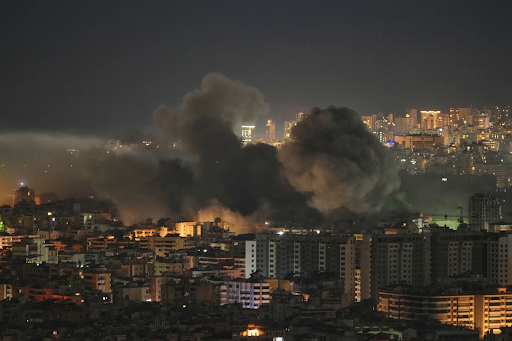
Ukraine’s General Staff reported explosions and a fire at the Kirishi refinery. Photos shared online showed smoke and flames against the night sky. Regional Governor Alexander Drozdenko confirmed that three drones were intercepted in the area, with falling debris sparking the fire. He said no casualties were reported and the blaze was quickly extinguished.
The strike highlights the continued role of drones in the conflict, more than three years after Russia’s full-scale invasion. Drone warfare has become a defining feature for both sides, with regular cross-border incidents keeping tensions high.
Russia Faces Worsening Gasoline Shortages
The attack comes at a sensitive time for Russia’s energy market. Sustained Ukrainian drone strikes, combined with seasonal demand, have created gasoline shortages in several regions. Motorists have faced empty pumps and long queues, forcing authorities to ration supplies.
In response, Russia suspended gasoline exports in early September. Officials declared a full ban on exports until September 30 and a partial ban on traders and intermediaries until October 31. The government says the move is temporary and aimed at stabilizing domestic supplies.
The Kirishi refinery itself was also struck by drones earlier this year in March, though damage was reported as minor at that time.
Railway Incidents Add to Security Worries
The Leningrad region also reported a deadly railway incident overnight. A diesel locomotive derailed near Gatchina, south of St. Petersburg. Governor Drozdenko said the train’s driver was trapped in his cabin and later died from his injuries while being taken to hospital. Authorities have launched an investigation to determine if sabotage was involved.
Meanwhile, another railway attack occurred in Russia’s Oryol region, near the Ukrainian border. A bomb planted on the tracks killed three workers inspecting the line. One of the victims was identified as a member of Russia’s National Guard. Local officials have not confirmed who was responsible for the blast.
Cyberattacks Target Russian Elections
As these incidents unfolded, Russia also faced large-scale cyberattacks during regional elections on Sunday. According to Central Election Commission head Ella Pamfilova, the attacks targeted the country’s electronic voting system and the commission’s website.
Pamfilova called the cyber offensive “unprecedented” but insisted it would not affect voting results. The election covered 21 regions choosing governors, as well as several local assemblies. However, with opposition movements heavily suppressed since 2022, few expect serious challenges to President Vladimir Putin’s ruling United Russia party.
Officials said nearly 100 denial-of-service attacks were recorded against online election resources. These attacks flood websites with traffic until they collapse, temporarily taking them offline. Russian authorities have not named who they believe was behind the attacks.
Escalating Pressure on Russia
The overnight drone strike on the Kirishi refinery underlines Ukraine’s continued strategy of targeting Russian energy infrastructure. Combined with fuel shortages, railway sabotage, and cyberattacks, Moscow faces increasing pressure on multiple fronts.
While Russia remains the world’s second-largest oil exporter, its domestic stability is being tested. The growing impact of Ukrainian strikes suggests that energy and infrastructure will remain central battlegrounds as the war drags on.