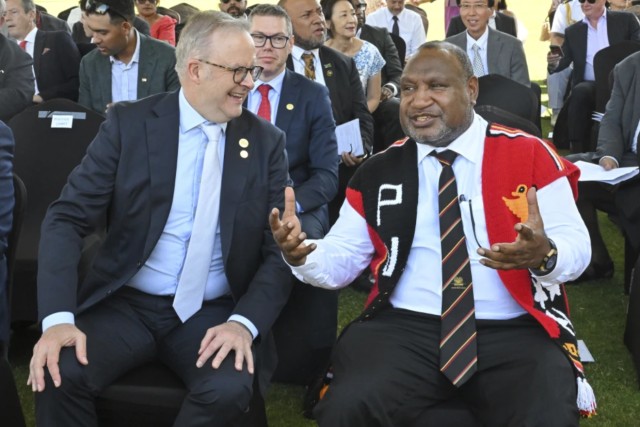
Australia’s Prime Minister Anthony Albanese, left, and Papua New Guinea’s Prime Minister James Marape attend a flag lowering ceremony in Port Moresby, Papua New Guinea, Tuesday, Sept. 16, 2025.
Australian Prime Minister Anthony Albanese left Papua New Guinea without finalizing a defense treaty, despite earlier promises. The setback comes shortly after he was unable to secure a similar agreement with Vanuatu. Both delays raise questions about Australia’s diplomatic strategy in the South Pacific, where China’s influence is steadily growing.
Treaty with Papua New Guinea Stalls
Albanese had announced that the defense treaty with Papua New Guinea (PNG) would be signed during his three-day visit to Port Moresby. However, the plan collapsed when a scheduled PNG Cabinet meeting to endorse the agreement did not take place.
Instead, both leaders released a joint statement confirming the treaty text had been agreed upon. The document will only be signed after Cabinet processes in both nations are completed.
Earlier Setback in Vanuatu
This is the second diplomatic disappointment for Albanese in less than two weeks. During a visit to Vanuatu on September 9, he also left without securing a long-expected bilateral security and economic treaty.
Vanuatu’s Prime Minister Jotham Napat voiced concerns that the deal might restrict his country’s ability to seek infrastructure funding from partners such as China. The hesitation reflects the delicate balancing act Pacific nations face between Australia and Beijing.
Albanese Defends Diplomatic Approach
Facing tough questions from reporters, Albanese dismissed suggestions that he was pushing countries too hard.
“Democracies aren’t authoritarian regimes. They follow processes, and we respect them,” he said. The Australian leader emphasized that the treaty wording with PNG was already finalized, but due diligence must be respected.
PNG Prime Minister James Marape echoed this sentiment, rejecting claims that China had pressured his Cabinet to delay. “This delay is not influenced by China,” Marape stated firmly. He refused to reveal whether all ministers supported the deal, citing Cabinet confidentiality, but insisted, “There is no sticking point.”
Why the Treaty Matters
If finalized, the pact would make Papua New Guinea Australia’s third formal security ally, alongside the United States and New Zealand. The agreement is viewed as part of Canberra’s broader strategy to counter Beijing’s growing presence in the Pacific.
China signed a controversial security deal with the Solomon Islands in 2022, sparking fears of a possible naval base in the region. Since then, Australia has intensified efforts to strengthen its partnerships with neighboring island nations.
Eyes on Meeting with Trump
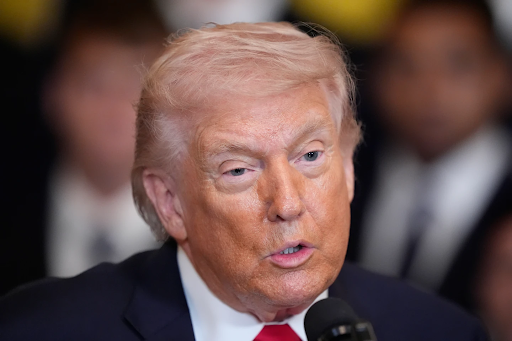
The timing of these diplomatic setbacks is significant. Albanese is preparing for a potential first in-person meeting with U.S. President Donald Trump in New York next week during the United Nations General Assembly. Regional security is expected to be a central topic.
Trump has already confirmed Albanese’s planned visit, telling reporters that the Australian leader would “come over very soon.” His remarks came while sparring with Australian Broadcasting Corporation journalist John Lyons, whom he accused of damaging U.S.-Australia ties.
Lyons later dismissed Trump’s claim, saying it was “an absurd suggestion.” He added that his reporting should not affect the upcoming meeting between Trump and Albanese.
Australia’s Pacific Balancing Act
For Albanese, the inability to secure rapid agreements in PNG and Vanuatu underlines the complexity of Pacific diplomacy. Island nations are weighing their options carefully, often balancing security assurances from Australia with financial opportunities from China.
The Australian government maintains that delays are not failures but reflections of democratic processes. However, with China’s influence growing, time may prove critical in securing Australia’s role as the Pacific’s key security partner.