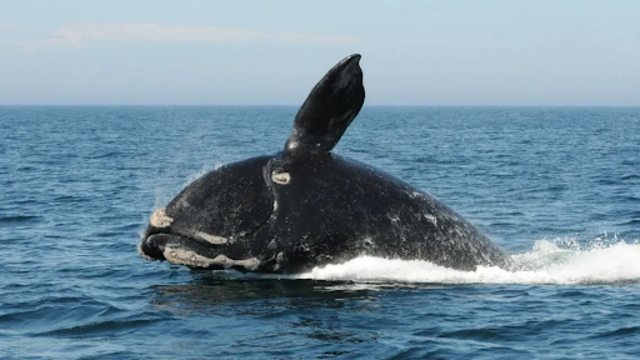
The report says North Atlantic right whales now face a greater risk from ships hitting them. BBC
Canada has lost a big share of its wildlife in recent decades, says a new conservation report. The study shows species already in danger are seeing the sharpest drops. Between 1970 and 2016, populations of globally at-risk species in Canada fell by over 40%. For species that are threatened within Canada, the loss reached about 59%.
Several Threats Combine
The study lists many causes behind these declines. Loss of homes (habitats) ranks high. So do shoreline and land development. Pollution adds more harm. Climate change makes all these threats stronger.
Animals face multiple threats at once. The report warns that fighting one problem alone won’t work. The threats together cause more damage than separately.
The North Atlantic Right Whale
The North Atlantic Right Whale serves as a sad example. Warming seas pushed its food supply into different areas. That change forced whales into busy shipping zones. Because of that, they now face more danger from ships and from getting caught in fishing gear.
The Role of Indigenous Lands
The study highlights that lands managed by Indigenous groups show more species and greater stability. These areas often protect wildlife better than other zones. The report urges working with Indigenous communities more to protect more land and water.
What Must Happen Next
Efforts must grow in scale. The report calls for protecting more habitat, restoring damaged ecosystems, and making sure development considers its impact. Goals include preserving 30% of Canada’s land and oceans and fixing up another 30% of degraded land by 2030.
It also pushes for stronger laws to protect wildlife and holds that conservation needs to factor into all planning, from infrastructure to industry.