Secretary General Antonio Guterres addresses the 80th session of the United Nations General Assembly, Tuesday, Sept. 23, 2025, at UN headquarters.
World leaders gathered at the United Nations General Assembly on Tuesday with a common message: unity. From France to South Korea, and South Africa to Suriname, presidents and prime ministers urged collective action on global challenges such as war, poverty, and climate change.
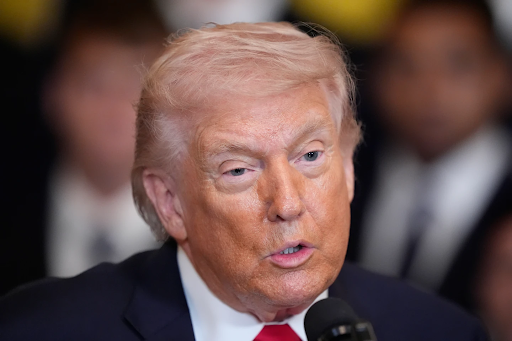
Yet, U.S. President Donald Trump stood apart, reaffirming his “America First” vision. His address highlighted sharp divisions over how nations should respond to today’s crises.
UN Chief Calls for Cooperation
U.N. Secretary-General Antonio Guterres opened the high-level meeting with a strong appeal. He asked leaders to choose peace over conflict and law over chaos. He emphasized the need for collective action, warning that acting in self-interest would deepen global instability.
Guterres acknowledged the world’s shift toward multipolarity, noting the rise of powers like China and India. He said this diversity could be positive but cautioned that without international cooperation, it could bring “chaos.”
Macron Warns of Rising Divisions
French President Emmanuel Macron issued a serious warning. He reminded leaders that 80 years after the U.N.’s founding, divisions are growing. According to him, global disorder is weakening the ability to solve conflicts and confront shared problems.
Still, Macron rejected the idea of abandoning multilateralism. He called for a renewed commitment to peace, justice, and human rights. He said only mutual respect and collaboration can address military threats, climate change, and digital transformation.
Leaders Defend Multilateralism
The call for collaboration echoed across the assembly.
- Suriname’s President Jennifer Geerlings-Simons described multilateralism as “one of humanity’s greatest achievements.”
- South African President Cyril Ramaphosa called the U.N. “our shared humanity in action.”
- South Korea’s President Lee Jae Myung urged leaders to “trust more, cooperate more, and join hands firmly for future generations.”
Their voices carried a clear message: the United Nations remains vital.
Trump Pushes ‘America First’
In sharp contrast, Trump defended his national agenda. He praised U.S. strength in borders, military, and economy. “This is the golden age of America,” he declared.
He criticized the U.N. as ineffective, mocking even minor technical failures like a stalled escalator and a broken teleprompter. His tone suggested skepticism about the organization’s ability to meet its goals.
Yet later, during a private meeting with Guterres, Trump softened his stance. He told the U.N. chief, “Our country is behind the United Nations 100%,” stressing the institution’s potential for peace.
U.N. Faces Financial Strain
Beyond political speeches, funding remains a pressing issue. U.N. humanitarian chief Tom Fletcher revealed that the 2025 appeal for $29 billion is only 19% funded. Aid cuts by the U.S. and other donors are already “wreaking havoc,” Guterres warned, calling them “a death sentence for many.”
Fletcher said talks with the U.S., Saudis, Europeans, and others continue. He described the discussions as “a work in progress,” but stressed that dialogue itself is a positive sign.
Spotlight on Ukraine and Gaza
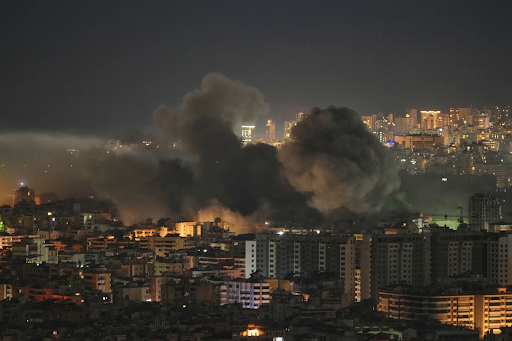
The Security Council held back-to-back emergency sessions on Ukraine and Gaza. The wars remain two of the most urgent global crises.
Trump surprised many with a shift on Ukraine. After meeting President Volodymyr Zelenskyy, he posted that Ukraine could reclaim all lost territory. This marked a reversal from his earlier calls for territorial concessions.
On Gaza, however, the U.S. stood isolated again. Most nations demanded a ceasefire and more humanitarian aid. The U.S. ambassador dismissed the meeting as a “charade,” drawing criticism.
Jordan’s King Abdullah II strongly condemned Israeli policies, saying Palestinians must be recognized as people with equal rights. He argued that Palestinian statehood is not a reward but an “indisputable right.”
A Divided but Hopeful Assembly
The U.N. General Assembly highlighted deep divisions. Many leaders rallied behind the U.N.’s vision of cooperation, while the U.S. projected unilateral strength. Still, ongoing dialogue between Washington and the U.N. hinted at possible common ground.
As conflicts in Ukraine and Gaza rage on, and climate and humanitarian crises escalate, the question remains: will nations choose unity or self-interest?