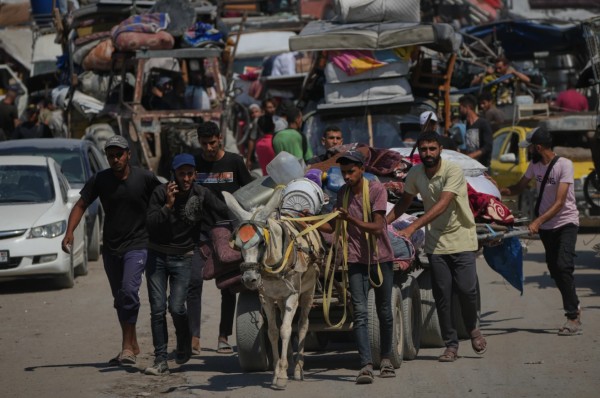
Displaced Palestinians flee northern Gaza Strip as they walk carrying their belongings along the coastal road, near Wadi Gaza, Wednesday, Sept. 24, 2025.
A drone strike launched by Yemen’s Houthi rebels wounded 22 people in the southern Israeli city of Eilat on Wednesday. Medics said two victims suffered severe shrapnel injuries, while others sustained lighter wounds. The attack marked a rare breach of Israel’s advanced missile defense system, which usually prevents casualties.
Houthis Claim Responsibility for Drone Attack
Iran-backed Houthi rebels said they launched two drones toward Israel. The Israeli military confirmed it attempted to intercept the incoming aircraft but could not prevent injuries. Defense Minister Israel Katz warned on social media that “anyone who harms Israel will be harmed sevenfold.”
Houthis have consistently targeted Israel and international shipping lanes, claiming their actions show solidarity with Palestinians. Most of their drones and missiles have previously been intercepted or fallen harmlessly in open areas. Israel has responded in the past with airstrikes on Houthi strongholds in Yemen.
Rising Death Toll in Gaza Strikes
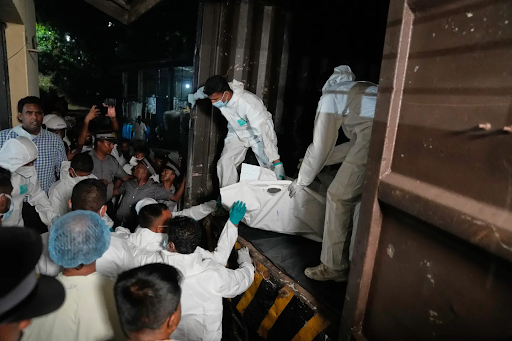
While Israel faced threats from Yemen, violence escalated inside Gaza. Hospitals reported at least 41 Palestinians killed in Israeli strikes. One strike in Gaza City hit tents sheltering displaced families, killing 22 people, including children and women.
Another airstrike struck the crowded Nuseirat refugee camp, killing 12 and wounding 18. Among the victims were two children and their parents. Local hospitals also reported fatalities from gunfire as civilians sought humanitarian aid.
Israel’s military said it targeted Hamas militants using precision weapons, while blaming civilian deaths on militants’ presence in densely populated areas.
Civilian Casualties Raise Global Alarm
Gaza’s health officials say hundreds of people have been killed while searching for food and aid in recent months. The United Nations human rights office has also raised concerns about humanitarian conditions.
In southern Gaza, Nasser Hospital confirmed three deaths from gunfire as people queued for supplies. Meanwhile, in the West Bank, Israeli forces shot dead a 24-year-old Palestinian near Jenin after claiming he hurled an explosive device.
U.S. Pushes for Middle East Peace Plan
The violence coincided with high-level discussions at the United Nations General Assembly. U.S. officials presented what they called a “Trump 21-point plan for peace.” Envoy Steve Witkoff expressed optimism, saying the proposal balances Israeli and regional concerns.
Secretary of State Marco Rubio echoed the sentiment, noting ongoing talks with Gulf leaders. Egyptian President Abdel-Fattah el-Sissi also endorsed the plan as a “foundation” for building peace.
The U.S., Qatar, and Egypt have spent months mediating ceasefire efforts. However, progress stalled after Israel carried out an airstrike targeting Hamas leaders in Qatar earlier this month.
War’s Heavy Toll on Gaza
The Gaza war erupted after Hamas-led militants stormed into Israel on October 7, 2023, killing about 1,200 people and taking 251 hostages. Israel says 48 captives remain in Gaza, with only about 20 believed alive.
Israel’s retaliatory offensive has killed more than 65,000 people, according to the Gaza Health Ministry. While the ministry does not separate civilian from militant deaths, it reports that women and children account for about half of the casualties.
The United Nations and international experts consider the ministry’s figures credible, though Israel disputes them. Humanitarian agencies warn that famine is worsening in Gaza City, where hundreds of thousands remain trapped.
Growing Concerns Over Regional Escalation
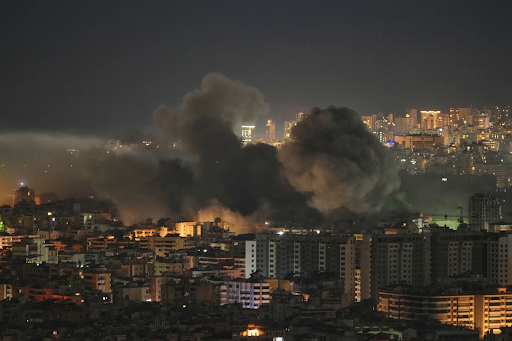
The Houthi drone attack on Eilat adds a new dimension to the ongoing conflict. Israel now faces simultaneous threats from Hamas in Gaza, Hezbollah in Lebanon, and Houthis in Yemen.
As both sides escalate, the humanitarian crisis deepens. Whether the proposed U.S. peace plan can shift momentum toward de-escalation remains uncertain. For now, civilians across the region continue to pay the highest price.