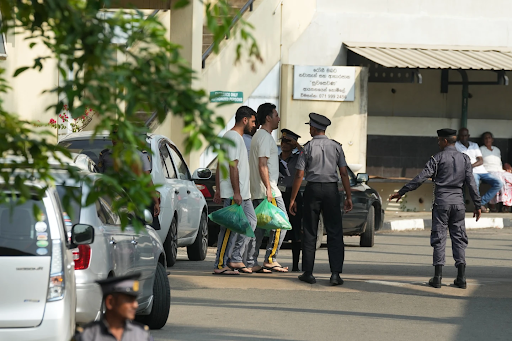
Hamas gunmen on pickup trucks escort buses carrying freed Palestinians prisoners as they are greeted following their release from Israeli jails under a cease-fire agreement between Palestine and israel.
As calm slowly returns to war-torn Gaza, Hamas has re-emerged on the streets—armed and assertive. Its fighters are clashing with gangs, targeting rivals, and executing suspected criminals in a bid to restore order. But this renewed show of force could jeopardize the fragile ceasefire now holding the region together.
Hamas Returns to the Streets
After months of chaos, Hamas security forces have resurfaced in areas once occupied by Israeli troops. The militant group says its mission is to restore “law and order” in neighborhoods overtaken by looters and armed gangs during the Israeli invasion.
Many residents, weary of violence and lawlessness, have cautiously welcomed Hamas’ presence. “People just want safety again,” said a local medic from Jabaliya refugee camp. “Seeing police on the streets feels like the first step toward normalcy.”
Yet this reassertion of control threatens the delicate truce that ended the war. With all living hostages from Hamas’ October 7, 2023, attack now released, Israel and the U.S. expect Hamas to begin disarming—a step the group has resisted.
Disarmament Dispute Deepens
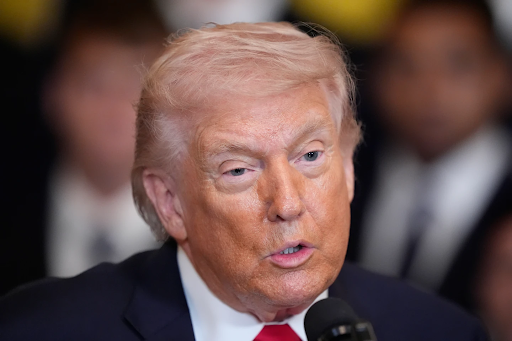
Israeli Prime Minister Benjamin Netanyahu has vowed the conflict will continue until Hamas is dismantled. Meanwhile, U.S. President Donald Trump’s ceasefire plan demands Hamas hand over power to an internationally supervised body.
Hamas, however, insists on further negotiations. The group says it is open to transferring authority to other Palestinian entities—but only in an orderly transition. It refuses to disarm completely, arguing that doing so would leave Gaza vulnerable to anarchy and external control.
“Disarmament will happen,” Trump warned, emphasizing that if Hamas refuses, “we will disarm them—quickly and perhaps violently.”
Chaos and Clashes in Gaza City
The breakdown of order during the war created a power vacuum. With Hamas forces targeted in Israeli strikes, armed gangs and powerful families seized control. Some of these groups, allegedly supported by Israel, are accused of hijacking humanitarian aid and selling it for profit—fueling Gaza’s humanitarian crisis.
Last weekend, violence erupted in Gaza City between Hamas-led fighters and the Doghmush clan, a powerful local family accused of running a criminal network. The clashes came after the killing of Hamas militant Mohammed Aqel, reportedly kidnapped and murdered by gang members.
Residents said the Doghmush group had long looted aid convoys and robbed evacuated homes. In the recent fighting, over two dozen people were killed, including gang members, a journalist, and a Hamas official’s son.
Brutal Crackdown Sparks Outrage
Hamas security forces, particularly the Sahm unit, launched a harsh crackdown on alleged collaborators and criminals. Videos circulating on Hamas-linked Telegram channels appeared to show eight people executed publicly—footage that drew both cheers and condemnation.
Human rights organizations in Gaza, including Al Mezan and the Palestinian Independent Commission for Human Rights, denounced the killings as “extrajudicial executions.”
Initially, the Doghmush family distanced itself from the gang but later condemned Hamas’ response, calling the killings “unjustifiable brutality.”
A Fragile Calm and Final Warning
Despite the bloodshed, some Gazans see Hamas’ renewed control as a sign of returning order. The Hamas-run Interior Ministry announced a one-week amnesty, offering leniency to gang members uninvolved in violence if they surrender. Those who resist will face arrest or prosecution.
“No one will be allowed to undermine public security or the rights of citizens,” the ministry declared in what it called a “final warning.”
However, anti-Hamas militias, some allegedly backed by Israel, remain defiant. Hossam al-Astal, leader of an armed faction in southern Gaza, mocked Hamas on social media, saying, “Your tunnels are gone, your power is over. Repent before it’s too late.”
Future of Gaza’s Power Struggle
Israel’s quiet backing of rival groups like al-Astal’s and Yasser Abu Shabab’s militias adds another layer of complexity to the ceasefire talks. Both men have histories of looting aid but now claim to oppose Hamas’ rule.
Arab officials involved in negotiations say Hamas is willing to surrender heavy weapons like rockets but wants to retain small arms “for self-defense.”
The question remains whether Gaza’s fragile ceasefire can survive as Hamas tightens its grip. Each new clash or crackdown risks reigniting tensions—threatening to plunge the battered enclave back into violence.