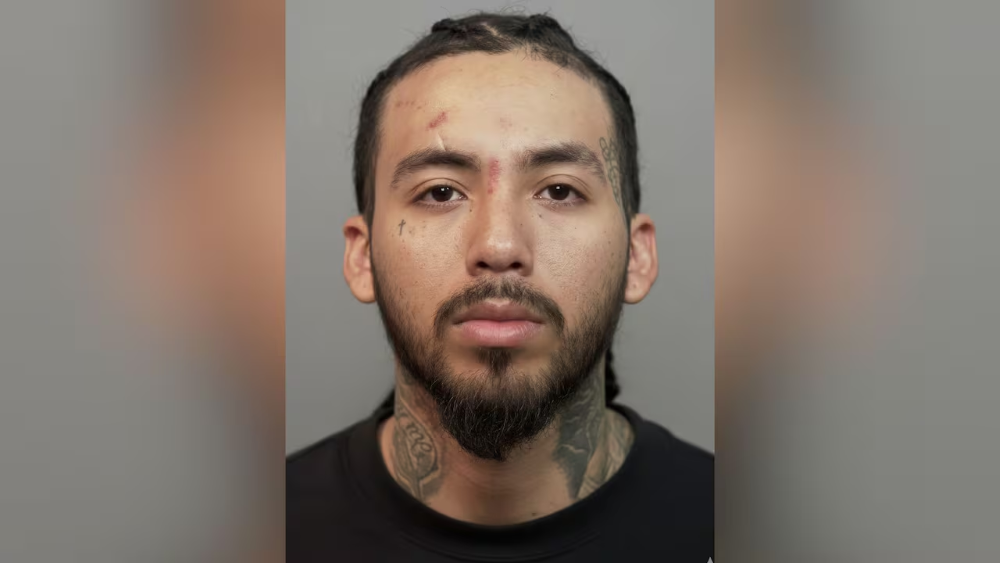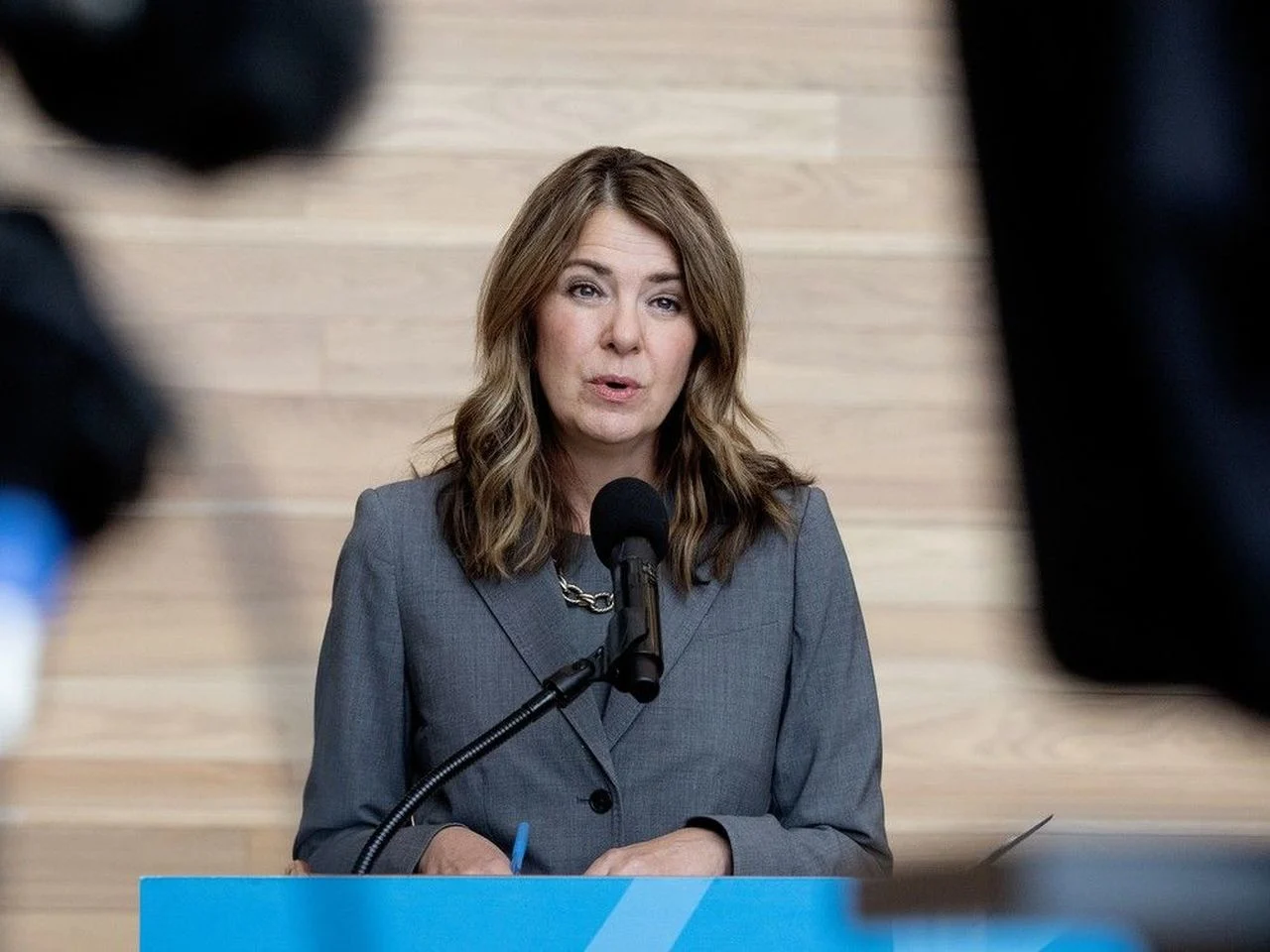
Calgary mayoral candidate Jeromy Farkas spent part of election day at the Forest Lawn Dairy Queen, where he once worked his first job, showing off his ice cream-making skills. Calgary Herald
Calgarians faced long waits and late results Monday night as the city’s civic election began revealing early numbers. With just a fraction of ballots counted by 9:30 p.m., Jeromy Farkas took an early lead in the mayoral race, followed closely by Sonya Sharp, while incumbent Mayor Jyoti Gondek and Jeff Davison trailed behind.
Out of 380 voting locations, only 19 had reported results by that time, leaving much of the city watching and waiting. Voters also faced slow lineups throughout the day, partly due to new ID requirements and the hand-counting system introduced this year, which extended the tallying process.
Elections Calgary said about 46 per cent of polling stations reported wait times of under 20 minutes, but many voters still spent far longer at the polls.
New System Slows Down the Count
For the first time, provincial regulations banned electronic tabulators in favour of manual counting, a change officials said was meant to increase transparency. Critics, however, argued that it only delayed results and added unnecessary complexity.
Returning Officer Kate Martin confirmed that election workers would continue counting until the early hours of Tuesday morning. Roughly 500 staff were assigned to process nearly 96,000 advance ballots, all of which must be counted by hand across four contests — mayor, councillors, public school trustees, and Catholic school trustees.
Compared to 2021, when nearly 141,000 voters cast early ballots, turnout this year dropped sharply to about 10.7 per cent. Some suggested that a teachers’ strike and the Toronto Blue Jays playoff game drew attention away from the polls.
A Divided Field and New Party Politics
This election marked a historic shift for Calgary, with political parties officially entering municipal politics for the first time. Three main parties — Communities First, The Calgary Party, and A Better Calgary Party — fielded candidates across the city.
Ward 1 Councillor Sonya Sharp, leading the Communities First slate, emerged as Farkas’s strongest challenger. Former Police Commission chair Brian Thiessen, leading The Calgary Party, followed behind. Meanwhile, A Better Calgary backed seven council candidates and endorsed Jeff Davison for mayor.
The new party system, introduced by the provincial government, drew criticism from several councillors who warned it would divide local governance. “It’s been disingenuous,” said Ward 2 Councillor Jennifer Wyness, who argued party ties threaten council’s independence.
Hot Issues Dominate the Campaign
Calgarians cited public safety, rezoning, taxes, transit, and affordability as their top concerns. Sharp campaigned on hiring 500 new police officers, gaining support from the Calgary Police Association. Thiessen, however, called the promise unrealistic and proposed investing in affordable housing to address the roots of crime.
Gondek defended her record on city growth, taxes, and infrastructure, saying she would continue standing up to the province’s control over municipal finances. Farkas, running as a self-described “progressive conservative,” positioned himself as a centrist alternative and warned against a “political takeover” of city council.
Despite a heated race and widespread frustration with city leadership, overall voter turnout appeared lower than expected. Officials said final results for councillors and school trustees would likely be released Tuesday afternoon.