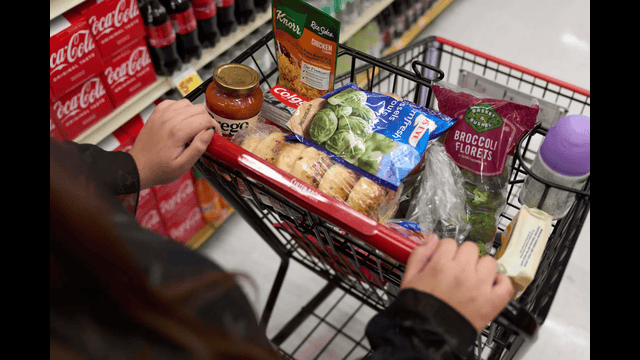
California’s SNAP benefits shopper pushes a cart through a supermarket in Bellflower, Calif., Feb. 13, 2023.
The ongoing government shutdown in the U.S. is tightening its grip on millions of families as the Trump administration announces a suspension of federal food aid. According to a new notice from the U.S. Department of Agriculture (USDA), no Supplemental Nutrition Assistance Program (SNAP) benefits will be distributed starting November 1, leaving millions uncertain about how they’ll put food on the table.
Food Aid Halt Deepens Shutdown Impact
The USDA’s notice, posted on its official website, states, “Bottom line, the well has run dry. At this time, there will be no benefits issued November 1.”
The message marks a grim turning point in the ongoing shutdown that began on October 1—now the second-longest in U.S. history.
SNAP, which helps one in eight Americans buy groceries, relies on federal funding. The administration has refused to use roughly $5 billion in contingency funds to extend benefits into November, claiming those funds are legally reserved for emergencies like natural disasters.
A Growing Political Standoff
The standoff between Republicans and Democrats shows no sign of easing.
Democrats insist that the government must address expiring subsidies under the Affordable Care Act (ACA) before they agree to reopen the government. Republicans, however, maintain that Democrats must first vote to end the shutdown before any further negotiations can take place.
Democratic lawmakers have written to Agriculture Secretary Brooke Rollins, urging her to use contingency funds to continue SNAP payments. But a leaked USDA memo clarifies that these funds “are not legally available to cover regular benefits.” Instead, they’re meant for urgent disaster response—citing Hurricane Melissa as a current example of why the reserve must remain untouched.
States Scramble to Protect Families
The announcement has sparked panic and frustration across states—both Republican- and Democrat-led. Governors are exploring ways to keep SNAP benefits flowing, but legal and financial hurdles remain.
According to the USDA, states would not be reimbursed for covering the cost of benefits during the shutdown. That means any attempt to fund SNAP locally could strain already-tight state budgets.
Some states, including Arkansas and Oklahoma, have already begun warning SNAP recipients to prepare for interruptions. Officials are advising residents to connect with food pantries, shelters, and charitable organizations that can help them cope if benefits stop.
Millions Could Go Hungry
If no political resolution is reached, the SNAP cutoff could affect tens of millions of low-income families, seniors, and children who rely on food assistance to meet daily nutritional needs.
Advocacy groups warn that the halt could increase food insecurity nationwide, particularly in rural and economically vulnerable areas. For many households, SNAP is not a supplemental aid—it’s their primary source of groceries.
Lawmakers Urge Immediate Action
Senator Chris Murphy (D-Conn.) criticized the administration for refusing to negotiate, saying the issue could be resolved quickly if both sides sat down in good faith.
“The reality is, if they sat down to try to negotiate, we could probably come up with something pretty quickly,” Murphy said in an interview on CNN’s State of the Union.
He added that the government could reopen “on Tuesday or Wednesday,” avoiding a full-blown crisis in the food stamp program.
The Clock Is Ticking
With November fast approaching, pressure is mounting on lawmakers to reach a deal and prevent SNAP benefits from being cut off.
If the shutdown continues, millions of Americans could face empty plates—and the political fallout could be just as severe as the hunger it causes.