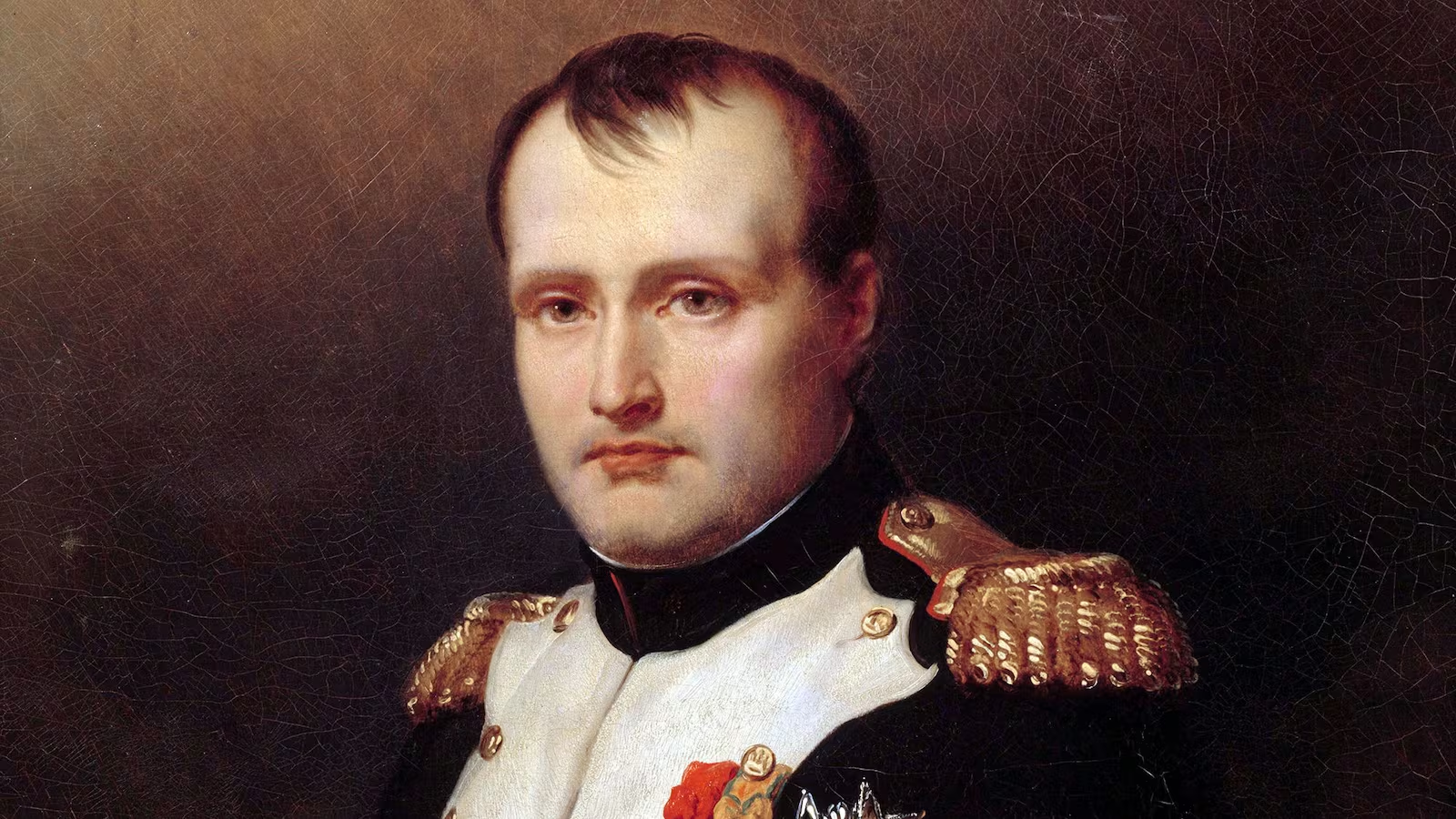
A painting from 1812 by artist Charles Auguste Steuben shows French leader Napoleon Bonaparte. (Photo: CNN Newsource)
More than two centuries after Napoleon Bonaparte’s failed invasion of Russia, researchers have uncovered new details about the mysterious diseases that wiped out his soldiers. A recent DNA study has revealed that multiple deadly infections, not just typhus as long believed, ravaged the French army during the brutal 1812 campaign.
When Napoleon marched into Russia, his army was massive—over 500,000 strong. Six months later, only a fraction survived the retreat. Historians have long blamed the staggering losses on freezing temperatures, starvation, and typhus. But new genetic evidence paints a broader, deadlier picture.
Hidden Bacteria Behind the Collapse
A team of scientists examined teeth from soldiers buried in a mass grave discovered in Vilnius, Lithuania, in 2001. Using modern DNA sequencing tools, they found traces of Salmonella enterica and Borrelia recurrentis—bacteria that cause paratyphoid fever and relapsing fever. These illnesses likely added to the already devastating toll of the campaign.
“Previously, we just thought that there was one infectious disease that decimated the Napoleon army — the typhus,” said lead author Rémi Barbieri, a researcher at the University of Tartu. “Instead, we found something unexpected.”
The research, published in Current Biology, suggests that soldiers faced a mix of infections, creating what experts called a “perfect storm” of disease, hunger, and cold.
Trapped in a Deadly Retreat
When Napoleon’s troops reached Moscow, they found an empty, burned-out city. With no food, shelter, or supplies, the soldiers were forced to scavenge as winter closed in. Lice, dirty clothes, and unsanitary conditions helped spread disease rapidly.
Earlier studies in 2006 detected typhus bacteria in soldiers’ remains, but technology then was limited. This new research used high-throughput DNA sequencing, a powerful method that allows scientists to detect even tiny, degraded fragments of ancient DNA.
“This technology gives us a much clearer picture of infectious diseases in the past,” said Nicolás Rascovan, coauthor of the study and head of the Microbial Paleogenomics Unit at the Institut Pasteur.
A Broader View of History
The researchers tested 13 DNA samples. They found no traces of typhus this time, but they confirmed the presence of other infections. Rascovan noted that the findings don’t disprove earlier results—only that the soldiers likely faced multiple illnesses at once.
“This study gives us direct evidence that several diseases were active in this site,” he said. “There could be more we haven’t yet discovered.”
Experts say these findings show how advances in ancient DNA research can deepen our understanding of historical events. Cecil Lewis, an ancient DNA specialist, said such studies reveal “how pathogens evolve and persist, helping us prepare for future outbreaks.”
Lessons from the Past
Paratyphoid and relapsing fevers still exist today but are far less dangerous. Napoleon survived the retreat, but his shattered army never recovered. Within three years, his empire crumbled.
“This research shows how fast technology has advanced,” Rascovan said. “What was once impossible is now within reach. The next discoveries could change how we see history.”