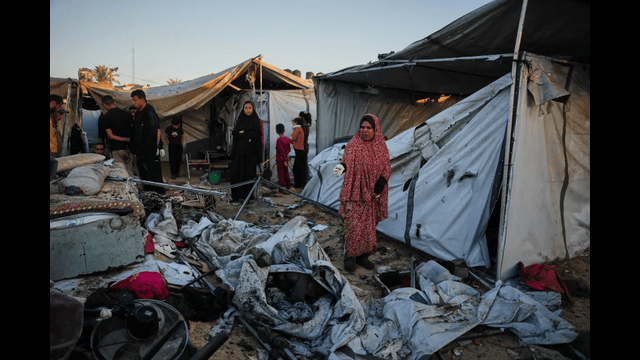
Displaced Palestinians inspect the damage after an Israeli army strike on their tent camp in Deir al-Balah, Gaza Strip, Wednesday, Oct. 29, 2025.
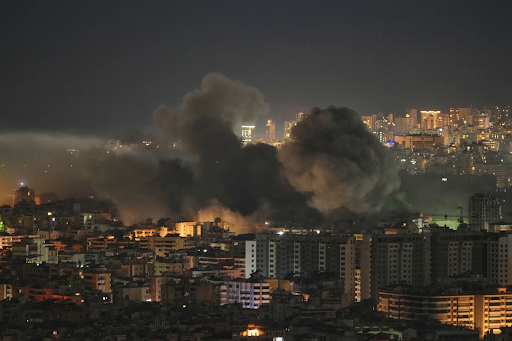
Israel on Wednesday announced the restoration of a ceasefire in Gaza after one of the deadliest nights since the truce began. The Israeli military confirmed carrying out heavy airstrikes that killed 104 Palestinians, including 66 women and children, according to Gaza’s Health Ministry.
The overnight bombardment — the most intense since the October 10 ceasefire — shook the fragile peace deal and reignited fears of renewed conflict.
Ceasefire Tested by Deadly Strikes
Israel said the strikes were a direct response to Hamas’s alleged violations of the ceasefire. The military accused the group of killing an Israeli soldier in Rafah and withholding the remains of hostages. Prime Minister Benjamin Netanyahu vowed retaliation, calling Hamas’s actions “a breach of faith.”
Hamas, however, denied responsibility for the shooting and accused Israel of breaking the ceasefire first. The militant group said it would delay the handover of a hostage’s body in protest of Israel’s “aggression.”
Despite these accusations, Israel announced that the ceasefire would continue — even as airstrikes resumed in northern Gaza early Wednesday, targeting what it claimed was a weapons depot.
Gaza Reels From Overnight Bombardment
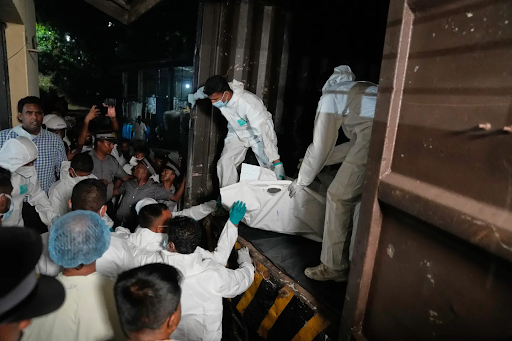
The strikes hit across Gaza, flattening homes, tent camps, and shelters for displaced families. Hospitals overflowed as ambulances arrived with victims through the night.
In Deir al-Balah, families brought bodies on mattresses and stretchers. Witnesses described horrific scenes — burned children, destroyed homes, and frantic searches for survivors.
“They burned children while they were asleep,” cried Haneen Mteir, whose sister and nephews were killed in Khan Younis.
According to Gaza’s Health Ministry, 104 people died and 253 were wounded, most of them women and children. Israel claimed it struck dozens of Hamas targets, including tunnels, mortar sites, and command centers. It also said 21 Hamas commanders were among the dead.
Israel Defends Retaliation
The Israeli military said the strikes were retaliation for the death of 37-year-old Master Sgt. Yona Efraim Feldbaum, who was killed by gunfire in Rafah on Tuesday. Officials said troops had come under repeated attack while destroying tunnels and Hamas infrastructure.
Israel’s Foreign Ministry spokesperson Oren Marmorstein said Hamas must bear full responsibility for civilian casualties. He accused the group of using civilians as human shields, a claim frequently made by Israel throughout the war.
“The military will act decisively to eliminate any threat to Israel’s security,” the army said in a statement.
Trump Backs Israel but Urges Calm
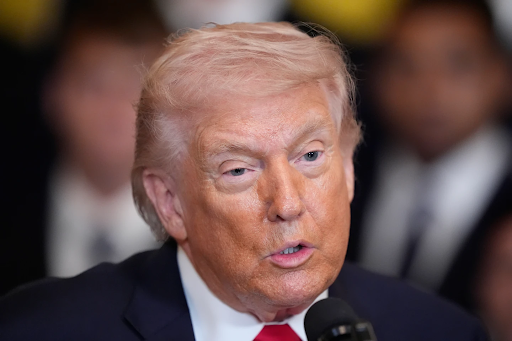
U.S. President Donald Trump, speaking during his Asia visit, defended Israel’s right to respond but expressed confidence that the ceasefire would survive.
“Israel should hit back when attacked,” Trump said. “But I believe the truce will hold. Hamas is a small part of the Middle East peace, and they must behave — or be terminated.”
Israeli officials said Washington had been informed in advance of the strikes, which were coordinated with U.S. counterparts.
Mounting Diplomatic Pressure
The renewed violence placed intense pressure on international mediators, including Qatar, Egypt, and the United States, to keep the ceasefire intact.
Qatar’s Prime Minister Sheikh Mohammed bin Abdulrahman Al Thani called the situation “deeply frustrating” and said both sides must honor their commitments. He confirmed there had been “a violation by the Palestinian party,” but it remained unclear if Hamas was directly involved.
The ceasefire deal requires Hamas to return all hostages’ remains, but the group says ongoing destruction in Gaza has made that difficult. Israel disputes this, accusing Hamas of stalling intentionally.
Thirteen hostages’ bodies remain in Gaza, delaying further progress toward broader peace steps, including Hamas disarmament and future governance of the enclave.
Grief and Anger in Gaza
As dawn broke, Palestinians gathered for funeral prayers outside Gaza hospitals. At Al-Awda Hospital, dozens of white-shrouded bodies lay side by side as mourners wept and prayed.
In a displaced camp, survivors dug through rubble to find missing family members. One woman, Amna Qrinawi, asked, “What kind of ceasefire is this?”
Yehya Eid, who lost his brother and nephews, stood beside a child’s small shroud. “These are children. What did they do wrong?” he said.
Gaza’s Health Ministry reports more than 68,500 Palestinians have been killed since the war began in 2023. Israel disputes the figures but has not released its own count.
Despite the death toll and global appeals for restraint, both Israel and Hamas appear locked in a deadly cycle of retaliation — one that threatens to undo months of fragile peace efforts.