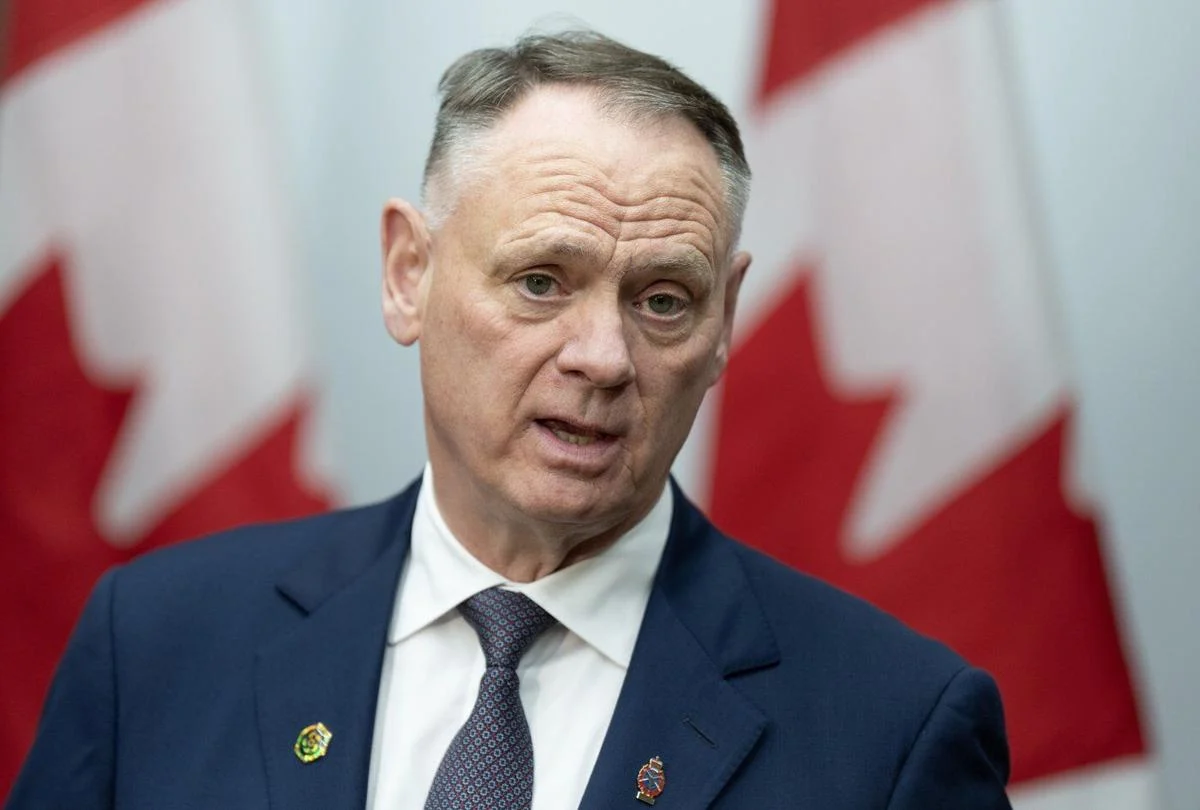
National Defence Minister David McGuinty gestures as he speaks with reporters in Gyeongju, South Korea, Thursday, Oct. 30, 2025. The Canadian Press
Canada has deepened its strategic footprint in the Indo-Pacific with a new defence co-operation agreement signed with the Philippines. Defence Minister David McGuinty formalized the pact during his three-day visit to Manila, marking a key step in Ottawa’s ongoing efforts to bolster regional security partnerships.
The agreement, announced Sunday, enables the armed forces of both nations to participate in joint operations and exercises within each other’s territories. In a statement, McGuinty emphasized Canada’s commitment to regional peace and prosperity.
“Canada values the Philippines’ vital role in Southeast Asia,” he said. “We remain committed to deepening our defence and security co-operation for regional stability and shared prosperity.”
Expanding Military Collaboration
The latest pact builds upon an earlier memorandum focused on military training, education, and capacity building. The Philippines, a long-standing democratic ally, is one of Canada’s most important defence partners in the Indo-Pacific region.
McGuinty’s visit from October 31 to November 2 underscores Ottawa’s intent to reinforce security ties amid rising tensions in the South China Sea. The agreement also signals a shift in Canada’s defence posture, aligning more closely with nations upholding international law and maritime freedom.
A Wider Indo-Pacific Strategy
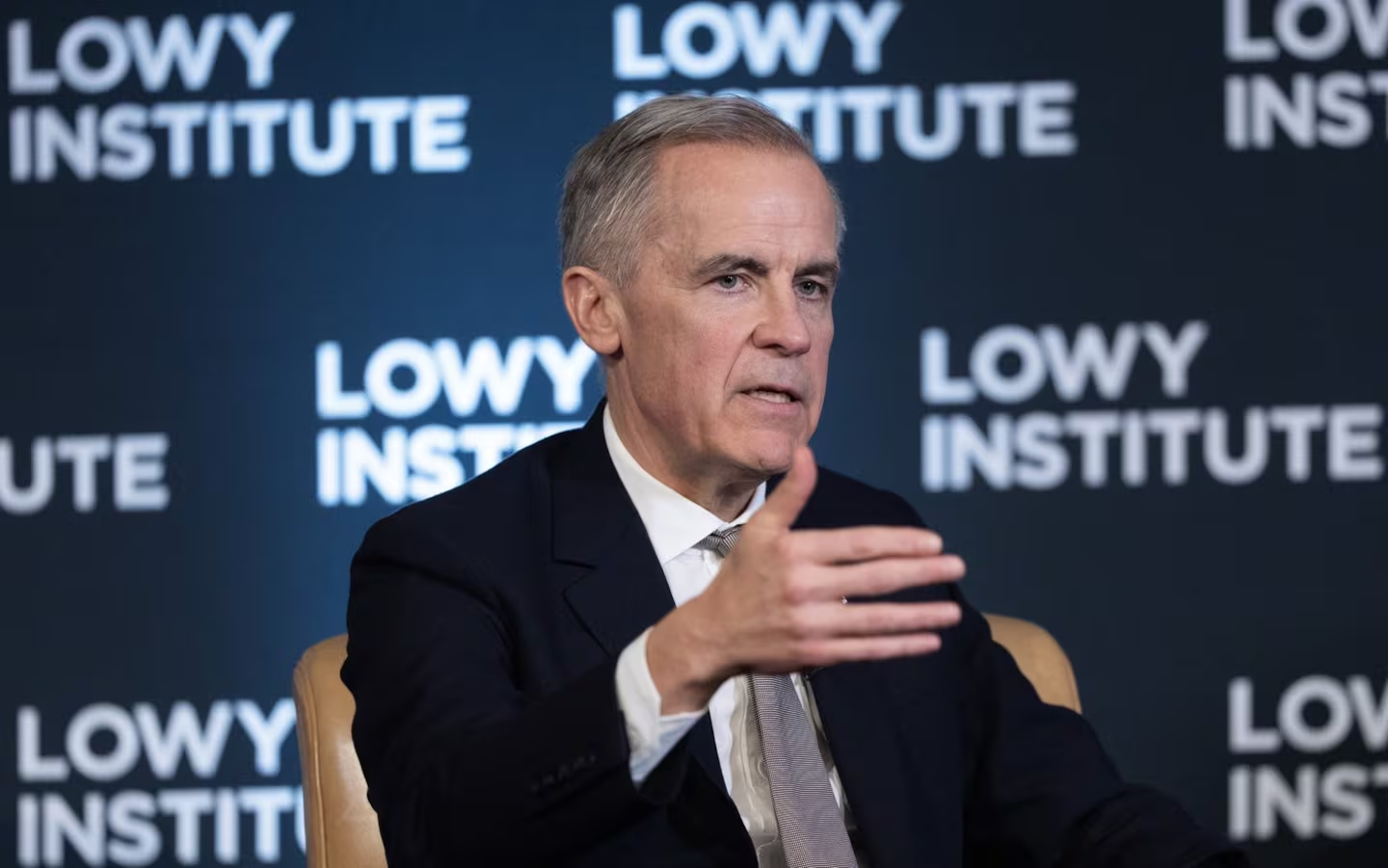
The Philippines pact follows another major defence and security partnership signed earlier in the week between Prime Minister Mark Carney and South Korea. Analysts say both moves highlight Canada’s coordinated approach to strengthening alliances across the Indo-Pacific.
“What we’re seeing are a series of deepened economic and security relationships with key countries in the region,” said Fen Hampson, a professor of international affairs at Carleton University. “Security and trade are now two sides of the same coin.”
Canada is also launching free-trade negotiations with the Philippines, further linking defence cooperation with economic engagement. Experts view these efforts as part of Ottawa’s broader strategy to counterbalance China’s growing influence in the region.
Responding to Regional Tensions
Both Canada and the Philippines have criticized China’s increasingly aggressive behaviour in the South China Sea, a vital trade route. Despite a 2016 international arbitration ruling invalidating Beijing’s sweeping territorial claims, China continues to assert control through coercive actions, including the use of water cannons against Philippine vessels.
Canada, along with several Western nations, has been expanding its military presence in the Indo-Pacific to promote the rule of law and ensure open trade routes.
Carney’s Diplomatic Balancing Act
Prime Minister Carney also met with Chinese President Xi Jinping on Friday during the Asia-Pacific Economic Cooperation forum in South Korea — the first formal meeting between the two nations’ leaders since 2017. Both leaders described the discussion as a “turning point” in their relations.
Carney called China “the rising economic power” and emphasized that Canada aims to “work together where possible, while respecting differences.” He noted that cooperation and competition would coexist in sectors such as energy and trade.
Building Capacity at Home
While the new defence pact marks progress, experts believe Canada’s military capabilities must grow to sustain these partnerships. “To make this relationship tangible, Canada must strengthen its own armed forces,” Hampson noted.
Carney’s government is expected to table its first budget on Tuesday, with a major increase in defence and infrastructure spending. McGuinty confirmed the plan will pave the way for Canada to meet its NATO target — boosting defence expenditure to five per cent of GDP, a significant rise from current levels.
With these moves, Canada is positioning itself as a more active, reliable partner in one of the world’s most strategically vital regions.