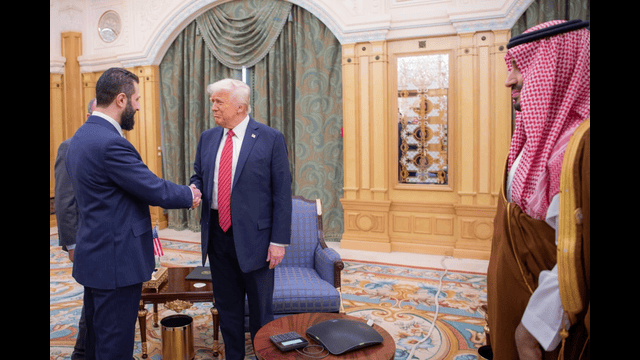
In this photo provided by the Saudi Royal Palace, Syria’s interim President Ahmad al-Sharaa, left, shakes hands with U.S. President Donald Trump in Riyadh, Saudi Arabia, Wednesday, May 14, 2025. At the foreground right is Saudi Crown Prince Mohammed bin Salman.
In a landmark move, the United Nations Security Council voted to lift sanctions on Syrian President Ahmad al-Sharaa and his government. The decision comes just days before al-Sharaa’s historic visit to Washington — the first by a Syrian leader since 1946.
UN Votes to Lift Sanctions
On Thursday, the U.N. Security Council approved a U.S.-backed resolution to lift long-standing sanctions on President al-Sharaa and Syria’s Interior Minister Anas Hasan Khattab. The measures were initially imposed due to their alleged ties to the al-Qaida network.
The resolution passed with 14 votes in favor, while China abstained.
U.S. Ambassador to the U.N. Mike Waltz hailed the decision as “a strong political signal recognizing Syria’s new era since the fall of Bashar Assad.” Assad’s ouster in December 2024 marked the end of his family’s 50-year rule and a brutal 14-year civil war.
A Step Toward Renewed U.S.-Syria Relations
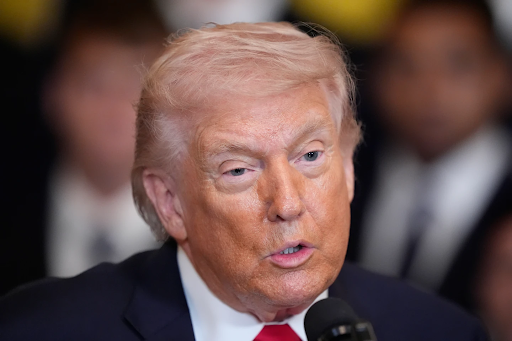
The United States pushed for the vote ahead of President Donald Trump’s meeting with al-Sharaa, set for Monday at the White House. This will be the first official visit by a Syrian president to Washington in nearly eight decades.
The Syrian Foreign Ministry praised the U.N. decision, calling it a “victory for Syrian diplomacy.” The ministry said the vote reflects growing global confidence in al-Sharaa’s leadership and recognition of Syria’s pivotal role in Middle Eastern stability.
However, China’s representative criticized Washington for pushing the resolution too quickly. “The sponsor did not fully heed the views of all members,” the envoy said, accusing the U.S. of acting to serve its “own political agenda.”
Al-Sharaa’s Washington Agenda
During his stay in Washington, al-Sharaa is expected to formally join the U.S.-led anti-Islamic State coalition, which includes over 80 nations. The move signals a major shift in Syria’s foreign policy — from isolation to cooperation against terrorism.
Analysts say Trump aims to rebuild diplomatic and economic ties with Syria after years of conflict. His administration has already eased several trade and travel restrictions imposed on Damascus.
Al-Sharaa, once a rebel leader, has been working to mend Syria’s global reputation. He previously led Hayat Tahrir al-Sham, a group once designated by the U.S. as a terrorist organization. Despite his controversial past, al-Sharaa’s government is now seen as a stabilizing force in post-war Syria.
U.S. Congress May Follow Suit
While U.N. sanctions have been lifted, tougher U.S. sanctions under the Caesar Syria Civilian Protection Act of 2019 remain in place. Removing them permanently will require a congressional vote.
In a joint statement, Senators Jim Risch and Jeanne Shaheen, the top members of the Senate Foreign Relations Committee, welcomed the U.N. decision. They urged Congress to act swiftly to repeal the Caesar sanctions, saying it’s time to “prioritize reconstruction, stability, and a path forward rather than isolation.”
The senators added that lifting economic barriers would “help bring the Syrian economy into the 21st century.”
Rebuilding a War-Torn Nation
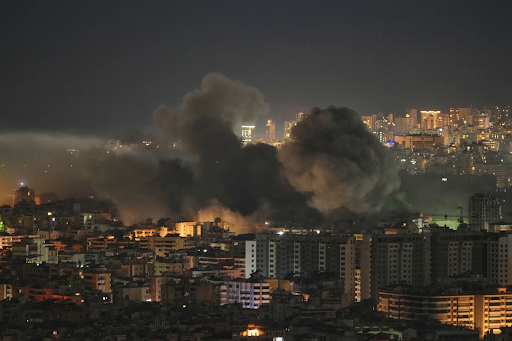
Syria’s civil war, which began in 2011, devastated the country. Nearly half a million people were killed, and millions were displaced — many fleeing as refugees. Cities were reduced to rubble, and key infrastructure collapsed.
Now, as Syria emerges from decades of conflict and dictatorship, al-Sharaa faces a monumental challenge: rebuilding the nation. Experts estimate it will take tens of billions of dollars to restore basic services and housing.
Yet, with the U.N.’s backing and renewed U.S. engagement, Syria may be entering a new chapter — one marked by cautious optimism, diplomatic revival, and the hope of lasting peace.