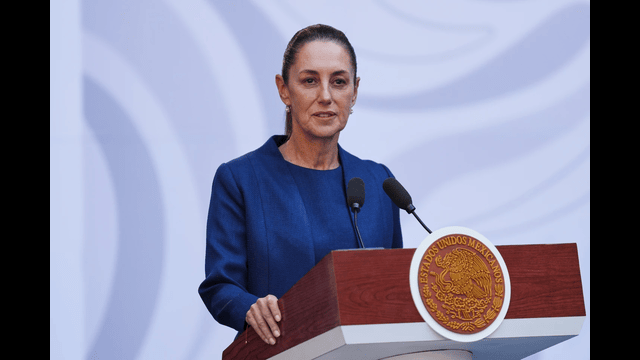
Mexican President Claudia Sheinbaum presents a new security strategy against violence for the Michoacán State.
Mexico is ramping up its fight against violence in Michoacan following the assassination of Uruapan Mayor Carlos Alberto Manzo. President Claudia Sheinbaum announced on Sunday that the government will deploy more troops and invest over $3 billion to restore peace in the troubled state.
The move comes a week after a 17-year-old gunman shot and killed Mayor Manzo during Day of the Dead festivities, triggering widespread protests and demands for justice.
Troop Surge to Strengthen Security
Defense Secretary Ricardo Trevilla Trejo confirmed that 1,000 additional troops will be sent to Michoacan, raising the total number of federal forces to over 10,000.
Nearly half of these troops will focus on a containment strategy, preventing criminal groups from moving across state borders. This is especially challenging in Michoacan, where drug cartels from neighboring states like Jalisco operate freely.
President Sheinbaum said the killing of Mayor Manzo “hurts not only his family and community but all of Mexico.”
Strengthened Intelligence Operations
National Security Chief Omar García Harfuch announced that additional intelligence resources will be deployed to Michoacan. These efforts aim to support investigations into organized crime networks that continue to plague the region.
He assured citizens that “those who generate violence and harm Michoacan families will be investigated, arrested, and brought to justice.”
Mexico has long struggled to successfully prosecute cartel members, despite years of anti-drug operations. Sheinbaum’s administration is determined to change that.
A Tougher Approach to Organized Crime
President Sheinbaum has shown a firmer stance on drug cartels than her predecessor, former President Andrés Manuel López Obrador. Her government has promised to combine military action with social reforms to tackle the violence at its roots.
Sheinbaum emphasized that Mexico will accept U.S. intelligence assistance but will not allow foreign military intervention. “Mexico’s sovereignty is non-negotiable,” she said.
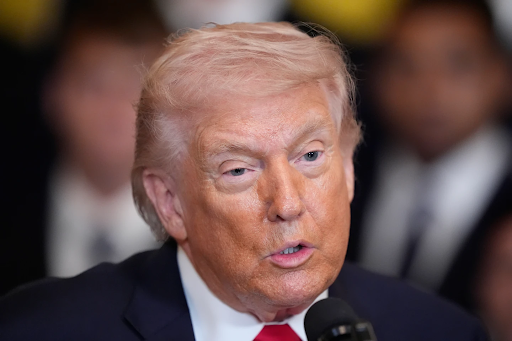
The U.S. has maintained pressure on Mexico to curb drug trafficking, with former President Donald Trump offering assistance in pursuing cartels. However, Mexico insists on handling its own security operations.
Investing in Peace and Opportunity
Out of the $3 billion funding, a major portion will go toward social welfare programs designed to reduce poverty and unemployment—conditions that often fuel crime.
The government plans to expand scholarships to keep children in school and prevent recruitment by criminal groups. Health care and job programs will also be reinforced to address what Sheinbaum calls the “root causes of violence.”
Governor Alfredo Ramírez Bedolla, who attended Sunday’s announcement, expressed support for the initiative. He recalled his own family’s loss to violence, saying his father was killed in Uruapan nearly four decades ago.
Michoacan’s Ongoing Struggle
For decades, Michoacan has been one of Mexico’s most volatile regions. Rival criminal organizations battle for control of drug routes and the Pacific port of Lazaro Cardenas, a key hub for methamphetamine and fentanyl trafficking.
These groups also target local businesses, extorting avocado and lime farmers and other small enterprises. Residents have lived under constant threat, often caught in the crossfire of cartel conflicts.
National Commitment to Security
President Sheinbaum vowed to keep Michoacan’s crisis on the national agenda. She promised to review progress every two weeks during her morning press briefings.
“To all Michoacan residents, we say: you are not alone,” she declared. “Your president and your government stand with you.”
With military reinforcements, stronger intelligence, and social investment, Mexico aims to curb the wave of violence that has haunted Michoacan for years — and honor the memory of Mayor Manzo, whose killing reignited calls for lasting peace.