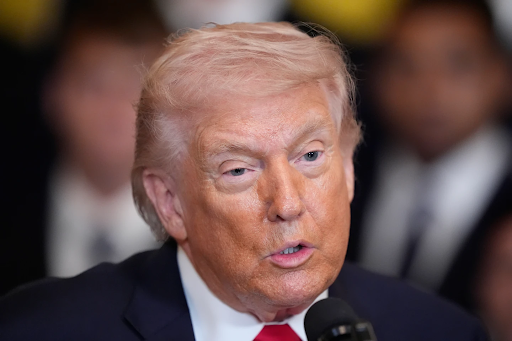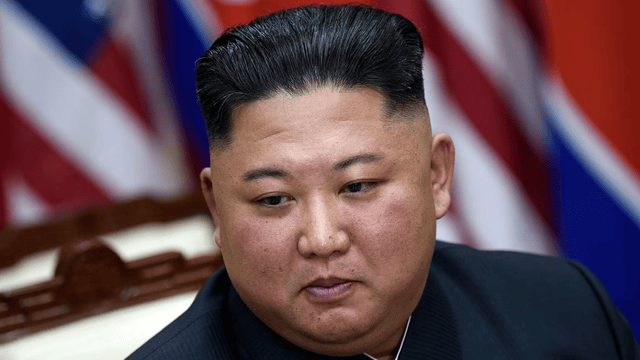
South Korean prosecutors say the former president tried to provoke North Korean leader Kim Jong Un in hopes of creating a situation that could justify declaring martial law, according to released evidence. Getty Images
South Korean prosecutors uncovered new memos they say outline a plan by former president Yoon Suk Yeol and senior defence officials to provoke North Korea with covert drone flights. The documents came from the phone of a high-ranking defence officer. Prosecutors said the notes showed efforts to stir tension before Yoon announced martial law last December.
The memos suggested a strategy to irritate Kim Jong Un through drone flights over Pyongyang. Prosecutors said the goal involved creating enough fear to justify sudden military control at home. North Korea claimed at the time that South Korean drones crossed its airspace and dropped anti-government leaflets. The new documents appear to support that claim.
Drones and Heated Reactions
North Korea reported several drone flights last October and November. State media released photos showing a drone stuck in a tree, which analysts said looked like South Korean military equipment. Another image showed a drone flying over the area near Kim Jong Un’s residence.
North Korea’s Kim Yo Jong issued a fierce warning on October 12, condemning the flights and promising “severe consequences.” The country destroyed two internal roads and threatened to cut more links with the South.
South Korean lawmaker Kim Byung-joo, a retired four-star general, said whistleblowers from the Drone Operations Command told him about the flights. “It is believed that by sending drones into the heart of North Korea and dropping leaflets criticizing Kim Jong Un, the aim was to provoke a military response from the North,” he said. “It was like holding a knife to their neck.”
Notes on “Creating an Unstable Situation”
Prosecutors released several memos they say show detailed planning. One draft from October 18 stated a need to “create an unstable situation.” Another memo listed possible drone targets, including Pyongyang, nuclear sites, Kim’s vacation homes, Samjiyon, and Wonsan.
A memo from October 23 mentioned “At minimum-national security crisis” and “At maximum-Noah’s flood.” Another note from November 5 read, “Enemy action must come first… we must wait for the decisive opportunity.”
Prosecutors said documents from another top defence official also showed preparations for martial law as early as October 2023.
Heated Responses From All Sides
Yoon’s legal team rejected the claims. His lawyer said the indictment “fails to uphold even the basic tenets of legal logic.” Yoon denied ordering any drone flights or attempting an insurrection.
Three former defence officials, including Yoon, face charges of helping the enemy and abusing their authority. They already stand trial for their actions during the martial law announcement.
A Night of Shock and Chaos
On December 3, Yoon stunned the country with a late-night declaration of martial law. He claimed “anti-state forces” threatened the nation. Soldiers arrived at the National Assembly by helicopter. Lawmakers and staff blocked the doors. They pushed past troops and held an emergency vote to strike down the decree.
Public anger grew. Protests spread across Seoul. Courts later removed Yoon from office through impeachment.
Broader Consequences
Experts warned that drone flights over Pyongyang could have triggered a military response. They noted North Korea’s long history of confrontations and said any clash could spiral quickly. Others said the former president risked using national security for personal political goals.
A foreign policy analyst said such an act “would represent a dangerous interaction of domestic politics and security policy.” Another expert noted that any drone flights would break the armistice, placing South Korea at risk of international backlash.