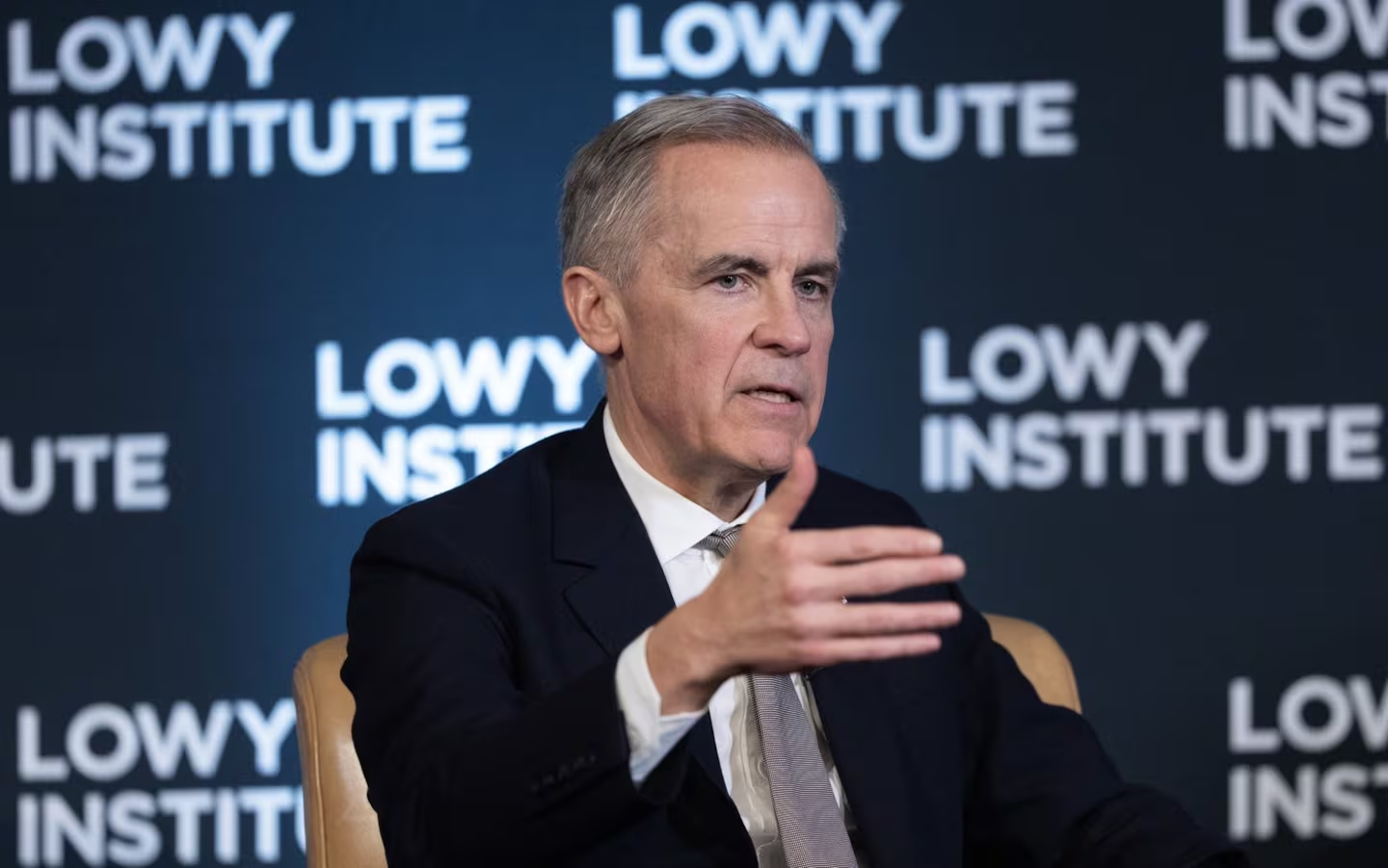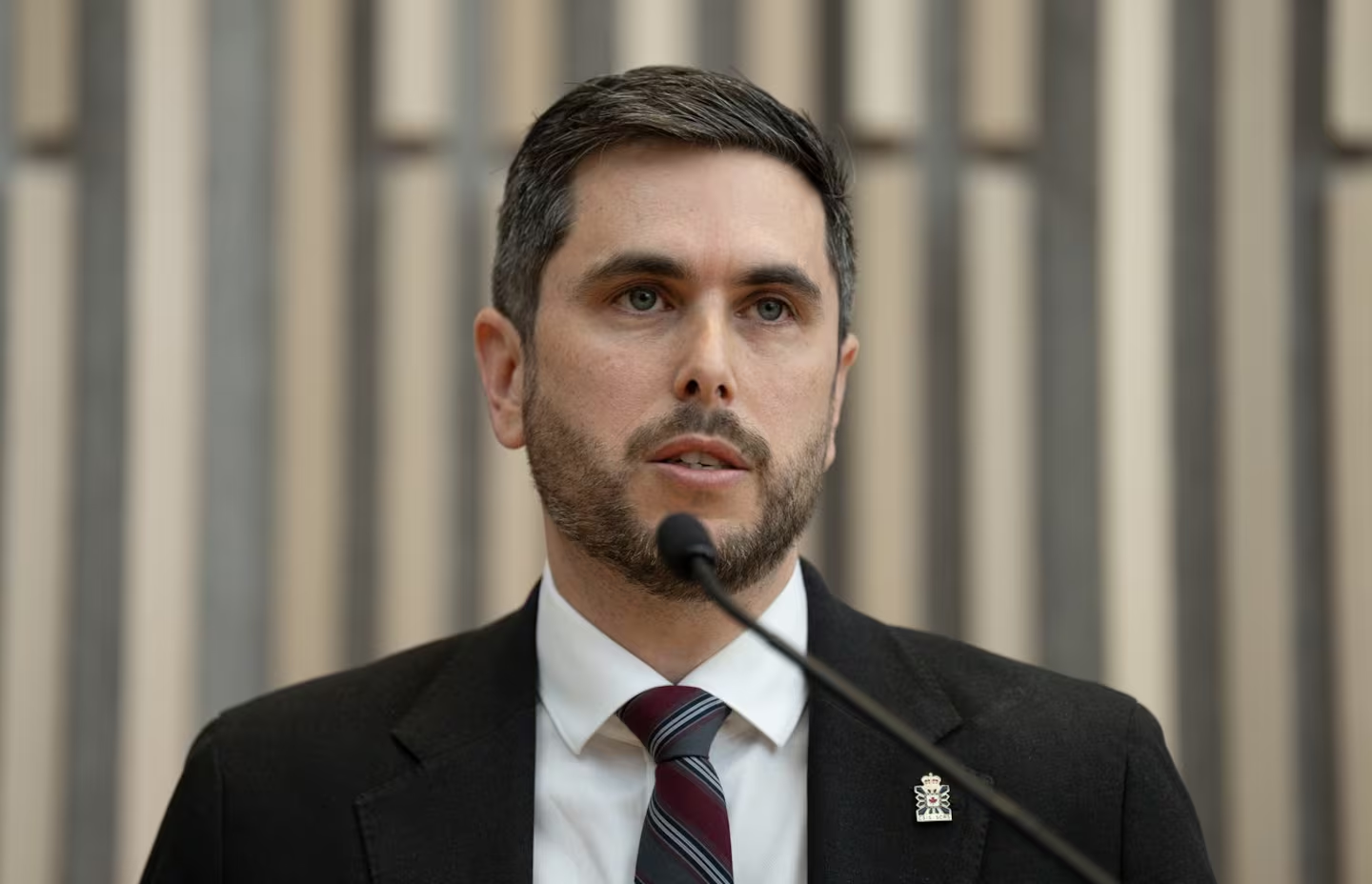
CSIS Director Daniel Rogers spoke with reporters after delivering a speech in Ottawa on November 13, 2025. The Canadian Press
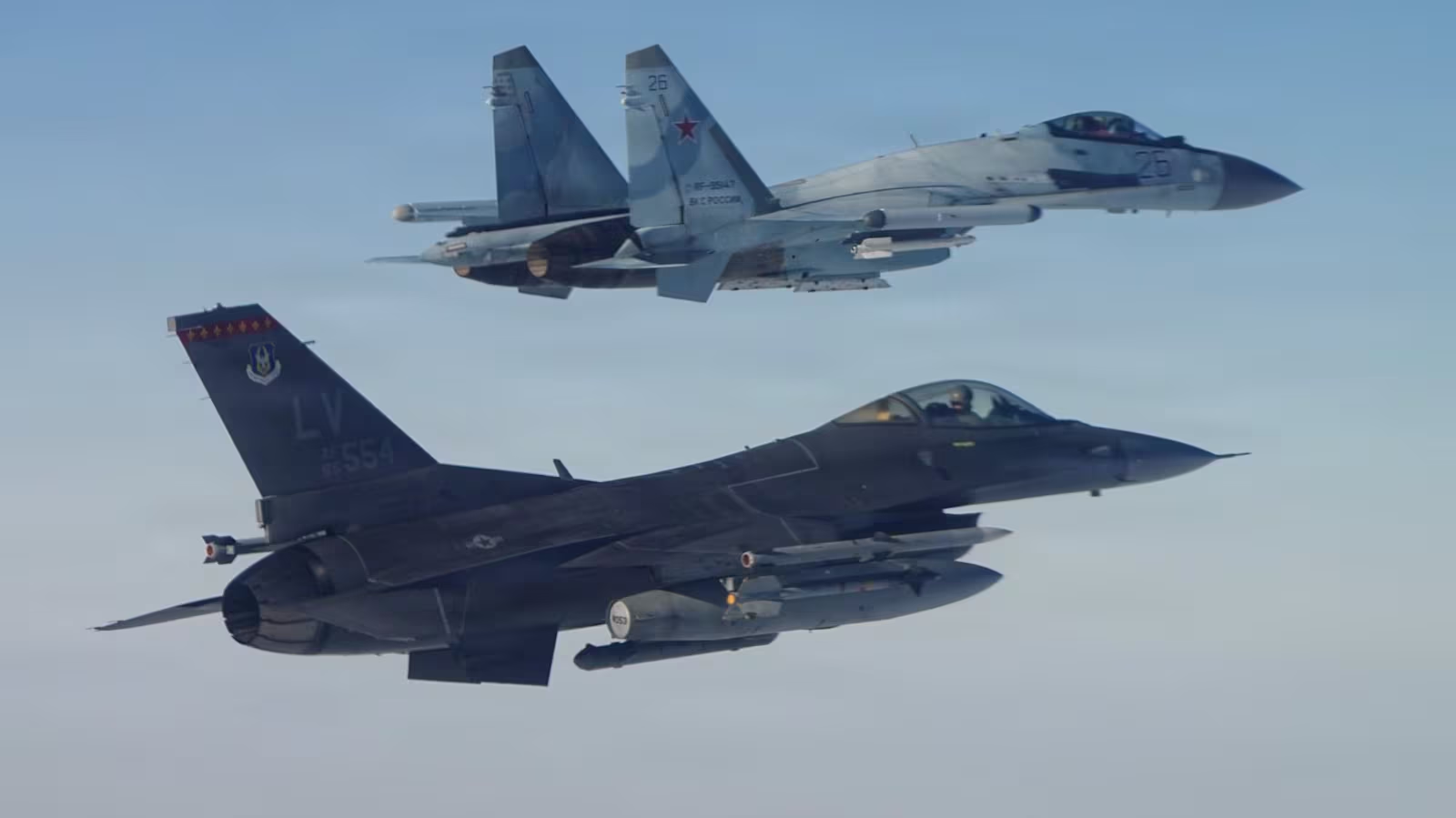
Canada’s top intelligence official says China and Russia show growing interest in the country’s Arctic region. CSIS director Dan Rogers delivered the warning Thursday in a speech outlining major threats facing Canada. He said the agency continues to see foreign spies target northern governments, Indigenous communities, and private companies involved in Arctic development.
Rogers said China seeks “a strategic and economic foothold” in the region, while Russia maintains a large military presence that he called “unpredictable and aggressive.”
Working With Northern Communities
Rogers said CSIS speaks regularly with Indigenous and territorial leaders to help them understand the risks tied to foreign investment and research partnerships. He said the agency shares security briefings with Inuit organizations and northern governments so they can make informed decisions when approached by foreign companies.
He also said northern partners provide valuable insight, helping CSIS understand what is happening on the ground across the Arctic.
A Shifting Security Landscape
Rogers outlined a wide range of threats, including foreign interference, espionage, online recruitment, and violent extremism. He said these concerns come at a time of increased tension with the United States, a key security ally. Still, he stressed that cooperation between the two countries remains strong.
“We benefit greatly from intelligence and security sharing by the United States,” he said. “And we contribute back.”
He said CSIS shares information with U.S. officials when appropriate, noting that any sharing must follow Canadian law and human rights rules.
New Targets for Espionage
Rogers highlighted how foreign governments now target companies, universities, and smaller levels of government. He said these groups often hold critical data, advanced technology, and access to natural resources.
“Some of the world’s most advanced and emergent technology is now held by private sector and academic institutions,” he said. He warned that foreign governments can weaponize the data they collect if it falls into the wrong hands.
China and Russia Remain Key Concerns
Rogers said Chinese agents have tried to recruit Canadians through social media and online job platforms. He said CSIS identified many of these attempts over the past year and worked with partners to stop them.
He also described efforts to stop Russian intelligence activity. CSIS worked with security partners to block Russian officers from entering Canada and to uncover attempts to use courier companies and transport networks for sabotage. CSIS also told Canadian companies when Russian-linked front firms tried to buy sensitive goods.
“These companies took immediate measures to deny the Russians their success,” he said.
Other Global Threats
Rogers also raised concerns about Iran. He said CSIS recently disrupted several threats to individuals in Canada after detecting efforts by Iranian intelligence services and their proxies.
He warned that rising political division and global instability allow radical ideas to spread more easily. He noted that many young people now become radicalized online without outside instruction. “Nearly one in ten terrorism investigations at CSIS now includes at least one subject under the age of 18,” he said.
Rogers said countering violent extremism remains a major part of the agency’s work, even as other threats demand increasing attention.