Photo by Pixabay
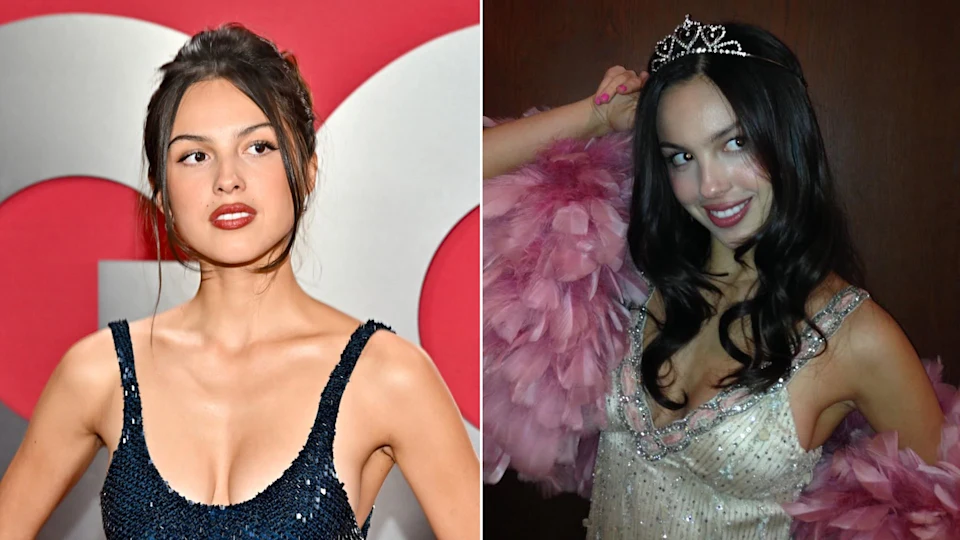
Many people feel close to stars like Taylor Swift or Lily Allen. They follow their lives online. They study their stories and music. They form a sense of friendship. They never meet these stars, yet the feeling grows stronger. The Cambridge Dictionary team noticed this trend. The team selected “parasocial” as its word of the year for 2025. The choice reflects the rise of one-sided emotional ties between the public and well-known figures.
Meaning of the Word
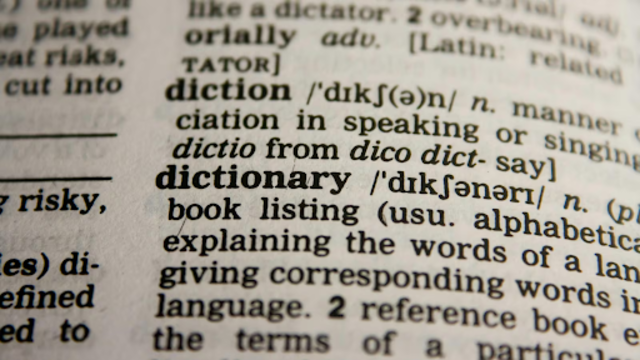
The dictionary defines “parasocial” as a connection someone feels with a famous person they do not know. The idea first appeared in 1956. Two sociologists at a Chicago university watched early television viewers. The viewers treated television personalities like trusted friends or even family. The researchers described these imagined friendships as “parasocial relationships.”
Today, millions of people form similar ties. They do this with celebrities, influencers, and even AI chatbots. The dictionary team said the year brought sharp interest in these bonds. Experts saw people rely on online figures for comfort, entertainment, and guidance.
AI Shapes Language
Artificial intelligence now plays a huge role in daily life. Many people use AI tools every day. Others worry about low-quality AI content online. The dictionary team updated the definition of “slop” to reflect that concern. The team said “slop” now refers to poor or messy AI-generated material that floods the internet. The update shows how online culture shapes modern speech.
New Additions Gain Attention
The dictionary added 6,212 new words, phrases, and meanings this year. The team chose each entry for its staying power. “Internet culture is changing the English language and the effect is fascinating to observe and capture in the dictionary,” said lexicographer Colin McIntosh.
The new list includes terms like “skibidi,” “delulu,” and “tradwife.”
People use “skibidi” in many ways. It can mean cool or bad. It can act as a joke. It can also appear in playful lines like, “What the skibidi are you doing?”
“Delulu” plays on the word delusional. Young people use it to tease unrealistic thinking.
“Tradwife” stands for traditional wife. It describes a married woman who stays home and handles cooking or cleaning. Many women who use the term share their lifestyle on social media.
Expert Reactions
Simone Schnall, a professor of experimental social psychology at the University of Cambridge, praised the choice. “We’ve entered an age where many people form unhealthy and intense parasocial relationships with influencers,” she said. She noted a new trend as well. Many people treat AI tools like friends. “Parasocial trends take on a new dimension as many people treat AI tools like ChatGPT as ‘friends’, offering positive affirmations, or as a proxy for therapy,” she added.
Her comments reflect a shift in how people seek support and communication. They also show how digital spaces now blend with everyday life.